The Most Frustrating Choices in Superhero Films: A Critical Look
From misguided interpretations to wasted potential, superhero films have left fans shaking their heads. Here, we break down some of the most baffling decisions in this beloved genre.
What's happening
Superhero films have become a dominant force in Hollywood, boasting massive box office returns and an ever-expanding audience. However, even within this lucrative genre, some cinematic choices have drawn ire from fans and critics alike. These decisions not only tarnish iconic characters but also disrupt the storytelling flow, impacting entire franchises. Whether it's a miscast villain or an unnecessary plot twist, these choices linger in the minds of viewers, serving as cautionary tales for future filmmakers.
Why this matters
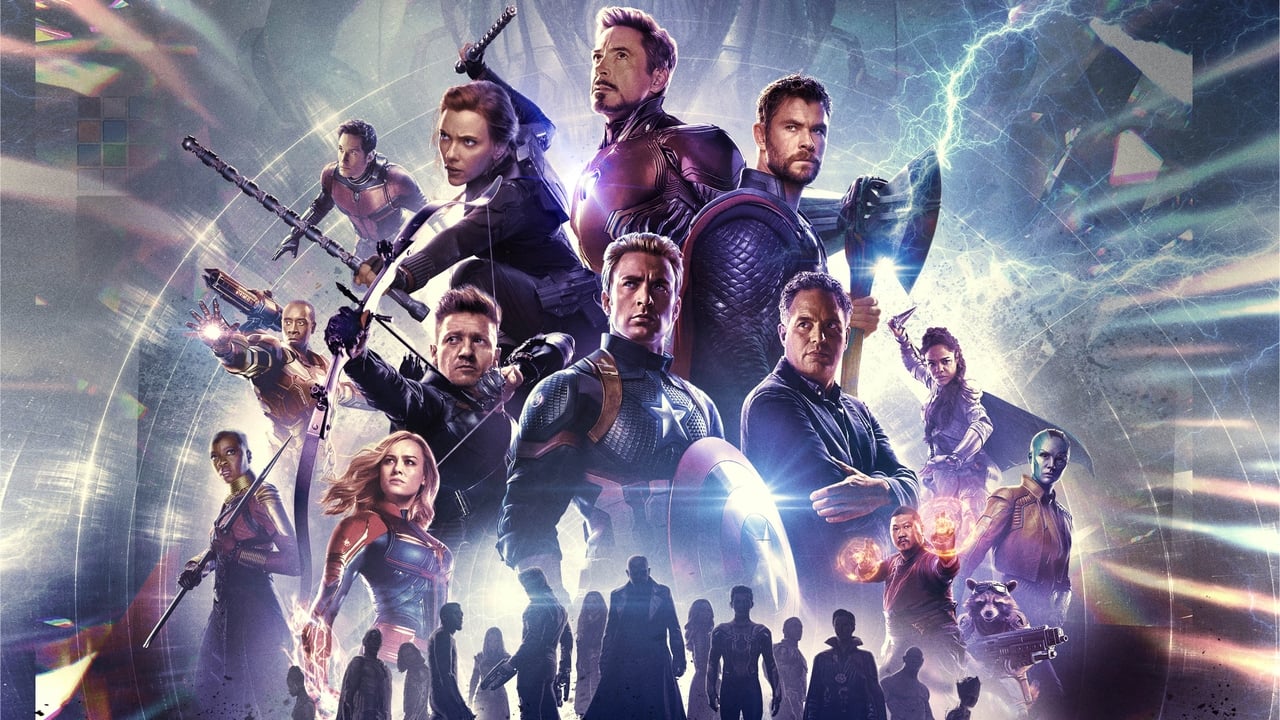
The superhero genre has seen a meteoric rise over the past decade, with the Marvel Cinematic Universe and DC Extended Universe leading the charge. Films like Avengers: Endgame and Black Panther have shattered box office records, while streaming platforms have transformed how fans engage with these stories. Despite the financial success, creative missteps can sour audiences and lead to franchise fatigue. Poor decisions can result in disappointing returns, as fans become increasingly discerning about how their favorite characters are portrayed. The stakes are high: a single film can alter the trajectory of a beloved franchise, making it critical for studios to honor the source material while staying true to the essence of the characters.
Box Office Impact
With superhero films grossing billions globally, a single poorly received entry can have ramifications beyond just financial loss. For instance, Batman v Superman: Dawn of Justice struggled at the box office despite high expectations, primarily due to its controversial portrayal of iconic characters. The backlash was so significant that it prompted a re-evaluation of how DC approached its cinematic universe. Conversely, when films respect their source material, as seen with Spider-Man: No Way Home, they can achieve record-breaking success, demonstrating the importance of thoughtful adaptations.
Background and history
The superhero genre has evolved significantly since the early days of cinema, with a slew of memorable adaptations. The Marvel Cinematic Universe, initiated with Iron Man in 2008, transformed the landscape, creating an interconnected web of stories that fans eagerly followed. Meanwhile, the DC Extended Universe emerged with its own ambitious plans, aiming to replicate Marvel's success.
However, both studios have stumbled at times. For example, X-Men: The Last Stand (2006) and Fantastic Four: Rise of the Silver Surfer (2007) showcased how poor storytelling choices can undermine even the most beloved characters. In both instances, iconic story arcs were rushed or altered, leaving fans unsatisfied. The legacy of these films serves as a reminder of how crucial it is to honor the source material while crafting narratives that resonate with modern audiences.
Where to watch
As superhero films continue to dominate the streaming landscape, many titles are available on various platforms. Major releases often find their way onto:
- Disney+: Home to Marvel films and series, this platform features almost every entry in the MCU.
- Max: Offers a selection of DC films, including Batman v Superman: Dawn of Justice and Wonder Woman.
- Netflix: Occasionally features superhero films, such as The Old Guard and various animated adaptations.
- Amazon Prime Video: Provides access to films like Aquaman and Shazam! for rental or purchase.
- Apple TV: Allows users to buy or rent superhero films from both Marvel and DC.
Keep an eye on these platforms, as availability may change frequently.
What viewers should know
Q: What are some of the most criticized superhero film decisions?
A: Notable examples include Emo Peter Parker in Spider-Man 3, Jesse Eisenberg's portrayal of Lex Luthor in Batman v Superman, and Galactus as a cloud in Fantastic Four: Rise of the Silver Surfer.
Q: Why do these decisions frustrate fans?
A: Fans often feel that these choices misrepresent beloved characters or pivotal storylines, leading to disappointment and a disconnect from the source material.
Q: How do poor decisions affect franchise longevity?
A: Missteps can lead to franchise fatigue, making it difficult for studios to generate excitement for future installments.
Q: Are there examples of successful superhero adaptations?
A: Yes, films like Black Panther, Spider-Man: Into the Spider-Verse, and The Dark Knight are praised for respecting their source material while delivering compelling narratives.
Q: What can studios learn from these mistakes?
A: Studios should prioritize character authenticity and story coherence, ensuring that adaptations resonate with both comic book fans and wider audiences.
Conclusion
As we look ahead to an exciting slate of upcoming superhero films, it’s essential to learn from past mistakes. Films that embrace character depth and stay true to the source material are often the ones that resonate most with audiences. For fans eager to explore the genre further, platforms like Movie OTT offer a comprehensive guide to streaming availability, helping you discover both celebrated classics and hidden gems. Whether it’s a new Marvel offering or a DC revival, the superhero genre continues to evolve, and we’ll be here to cover every thrilling moment.