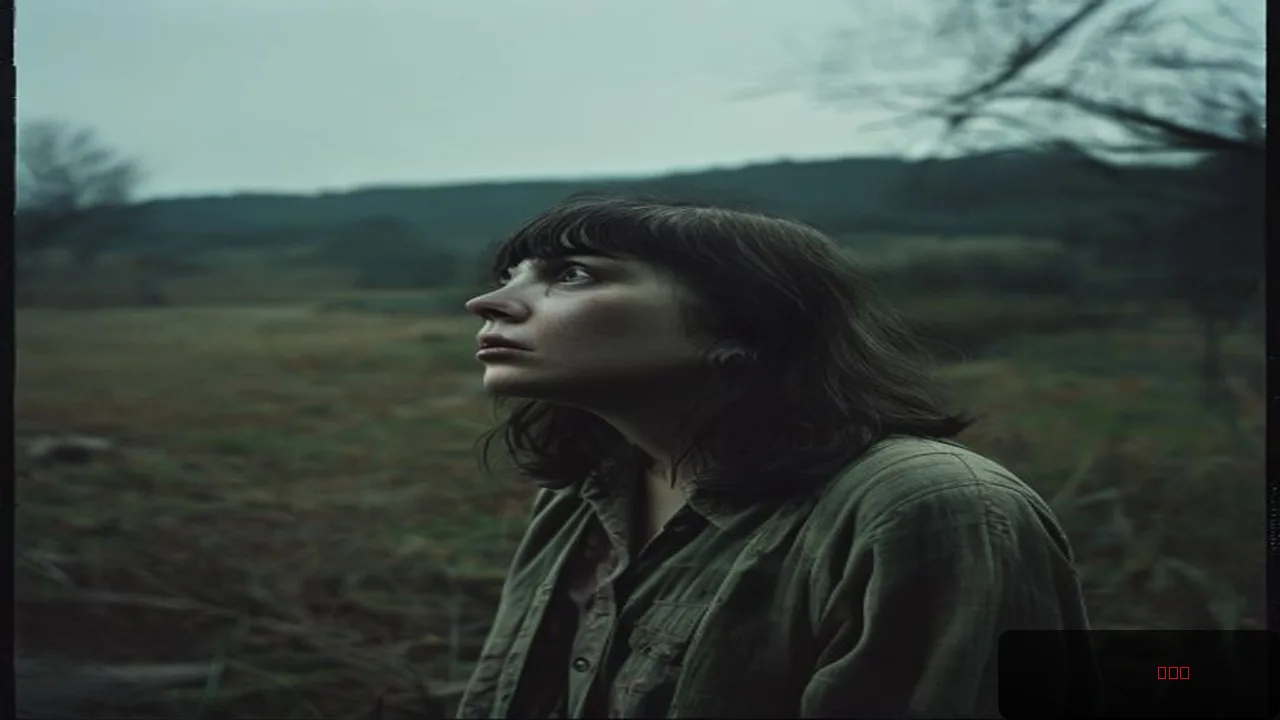
Mary Reilly at 30: Why Roger Ebert Defended the Julia Roberts Horror Film Everyone Else Dismissed
Released in February 1996, Mary Reilly bombed at the box office and faced near-universal critical mockery — except for one notable voice. Roger Ebert gave it three stars and argued the film was being punished for ambition, not quality. Thirty years later, the question isn't whether he was right. It's whether we've been wrong all along.
The Box Office Disaster That Shouldn't Have Happened
Let's start with the numbers, because they're brutal.
$47 million budget. $5.8 million domestic box office. That's not a flop. That's a catastrophe. Julia Roberts had just come off Pretty Woman ($463 million worldwide) and The Pelican Brief ($195 million globally). TriStar Pictures expected a prestige gothic horror film with a megastar to perform like — well, like a prestige gothic horror film with a megastar. Instead, they got a February dumping ground release and a film that lost money so spectacularly it became a punchline.
The Rotten Tomatoes score sits at 34% from critics. The audience score? 46%. That gap — 12 percentage points — matters. It suggests critics arrived with their minds made up before the opening credits rolled.
Stephen Frears directed. Christopher Hampton wrote the screenplay (fresh off an Oscar for Dangerous Liaisons). John Malkovich played Jekyll and Hyde. On paper, this was a credentialed creative team. On release, it was treated like a vanity project that should've stayed in development hell.
What Mary Reilly Actually Is — And Why the Setup Mattered
The film adapts Valerie Martin's 1990 novel, which itself reimagines Robert Louis Stevenson's Strange Case of Dr. Jekyll and Mr. Hyde through an entirely new lens: the Irish housemaid who works for Jekyll and watches him transform.
Director: Stephen Frears | Stars: Julia Roberts, John Malkovich | Runtime: 108 minutes | Release: February 23, 1996
Here's the twist that nobody got at the time: this isn't a monster movie. It's a story about power. Mary is bound to Jekyll by her position as a servant — she can't leave, can't tell anyone, can't even fully comprehend what she's witnessing. When Jekyll becomes Hyde, the horror isn't the makeup or the physicality. It's her complicity. It's her trapped feeling. It's knowing something's wrong and being powerless to stop it.
That's a genuinely sophisticated reading of the source material. And Ebert saw it immediately.
What Roger Ebert Actually Said — And Why It Still Matters
"'Mary Reilly' is in some ways more faithful to the spirit of Robert Louis Stevenson's original story than any of the earlier films based on it, because it's true to the underlying horror," Ebert wrote in his three-star review. The film, he argued, understood that the real terror wasn't transformation — it was psychological entrapment.
Gene Siskel agreed with him. Two of the most influential critics of the era lined up behind a film the industry had already written off. And they were looking at something the rest of the critical establishment missed entirely.
I keep coming back to that gap. Not because I think Mary Reilly is underrated in some absolute sense (the accent work really is distracting, and the second act does drag) but because the dismissal was so total, so confident, so pre-emptive that it feels less like criticism and more like pile-on.
The Casting Question That Sank Everything
Julia Roberts in an Irish accent. In a dark gothic horror film. Released in February on minimal promotion.
The Irish accent became shorthand for why the film failed. Critics focused on it like a tell. But here's what's strange: Roberts' actual performance — her stillness, her growing dread, the way she communicates powerlessness through posture — is more committed than the reviews suggested. The accent is a problem, sure. But it's not the problem.
Most coverage of Mary Reilly, then and now, frames the casting as the core mistake; the more honest diagnosis is that TriStar had no idea how to sell a film that refused to be either a Roberts vehicle or a horror spectacle, and so they sold nothing at all. That's a marketing failure dressed up as a talent mismatch.
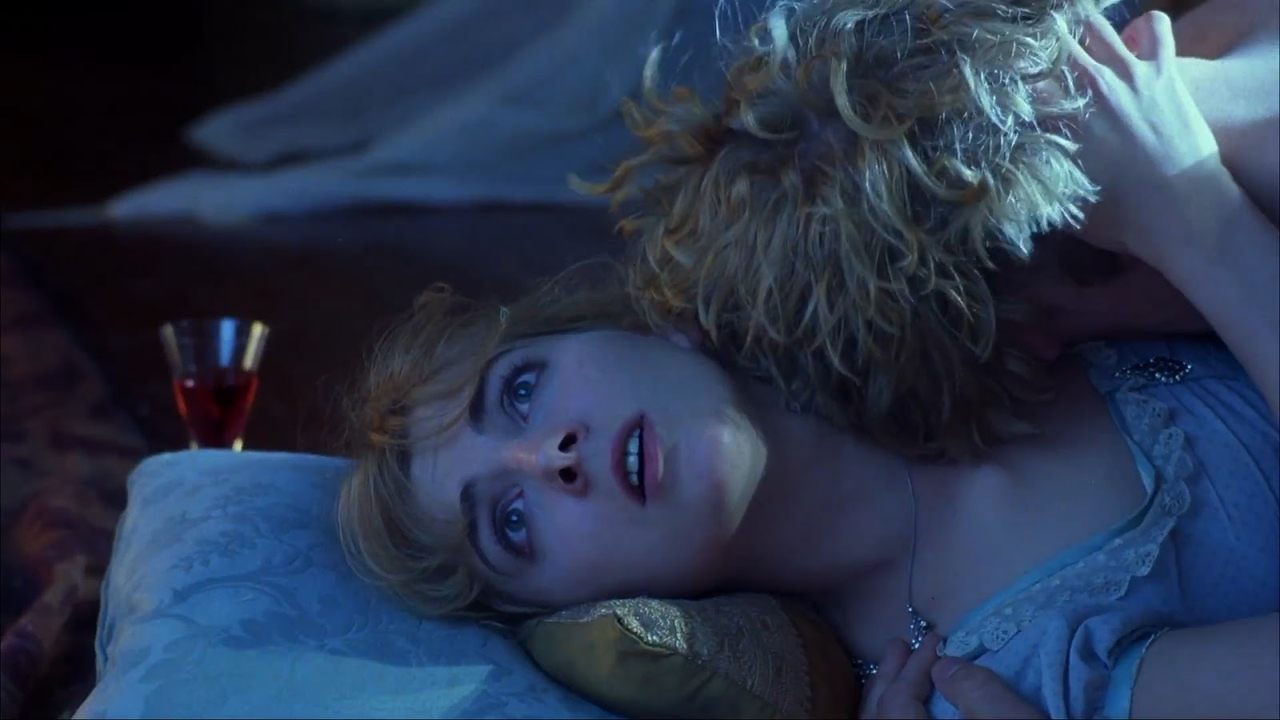
What's really interesting is that nobody talks about how the film was structured around her. The camera rarely lets Mary stand in full light. She's often half-hidden, watching from doorways, trapped in shadows. Not accident. Visual storytelling. And it works.
How Mary Reilly Compares to Films That Got Second Chances
Gothic horror had a rough 1990s — and then it didn't.
Interview with the Vampire (1994) faced serious pre-release skepticism over Tom Cruise's casting. It opened to mixed reviews and earned $223 million worldwide. Now it's considered definitive. Tim Burton's Sleepy Hollow (1999) got 67% on Rotten Tomatoes on release. It's a cult classic now. The Hughes Brothers' From Hell (2001) was commercially modest and critically dismissed. Audiences have been quietly reassessing it for years.
Mary Reilly sits in that same category — prestige cast, ambitious source material, gothic atmosphere, commercial failure, critical ambush. The difference is revealing, though. Interview with the Vampire opened on November 11, 1994, against weak competition and pulled $36.4 million in its first weekend; Mary Reilly opened on February 23, 1996, the same frame as Broken Arrow, John Woo's Travolta action vehicle that grabbed $15.5 million opening weekend and sucked the oxygen out of every screen. TriStar brought a moody servant's-quarter drama to a gunfight. Movie OTT's catalogue tracking shows these films cycling through streaming platforms constantly, which is where most modern reassessment happens anyway.
Where to Actually Watch It (And Whether You Should)
Currently, Mary Reilly streams on Sony LIV in India, which holds rights to much of TriStar's back catalogue in the region. There's no Hindi or regional dub — English audio with subtitles only. The 108-minute runtime makes it a manageable single sitting.
Should you watch it? If you like gothic atmosphere over jump scares, if you're curious what made Ebert defend it so fiercely, if you've seen Crimson Peak and Penny Dreadful and want something adjacent — yes. Go in expecting mood and psychology, not action. Don't expect the accent problem to disappear. But notice, around the halfway point, how the film starts using light and shadow to communicate Mary's isolation. That's where it clicks.
For current streaming availability across regions, check Movie OTT before you search — catalogue rights shift constantly, and the tracker stays updated.
The Production History That Almost Was Completely Different
This film almost didn't exist, or at least not in this form.
Tim Burton was attached to direct at one point. Daniel Day-Lewis and Uma Thurman circulated through various stages of negotiation. What eventually landed was Frears and Hampton, working together again after Dangerous Liaisons. Malkovich brought the same unsettling physicality he'd perfected in that film — there's always something slightly off about his presence, which is exactly what Jekyll/Hyde requires.
The problem wasn't talent. The problem was timing and release strategy. February 1996 was a graveyard month. The film arrived with no real awards season positioning, minimal prestige marketing, and an actress known for romantic comedies trying to do something genuinely dark. The industry had already decided it was a write-off before critics even sat down to watch.
Should the Film's Reputation Finally Shift?
Honestly? Yes. Not because Mary Reilly is a masterpiece. It isn't. The second act drags, the accent is a real problem, and some of the supporting performances feel like they're from a different film entirely.
But the central idea — that horror lives in power imbalance rather than physical spectacle, that complicity is scarier than transformation — is more sophisticated than most Victorian Gothic adaptations get. Ebert recognized that immediately. Siskel agreed. And thirty years of critical distance has been kinder to the film than the initial consensus was.
What's striking is how quietly the reassessment has happened. No viral moment, no streaming platform bump, no prestige retrospective. Just critics and genre fans slowly circling back and realizing: maybe we got this one wrong. Maybe the critics who mattered most got it right.
How to Approach It Now
Start with Ebert's review — it's the best single piece of writing about the film and it'll prepare you for what you're actually watching. Then stream it on Sony LIV. Watch in the evening. Don't expect scares. Pay attention to the staging instead — how Frears uses doorways, mirrors, candlelight, and shadow to show Mary's entrapment. Notice how little the camera moves when she's on screen.
And if you find yourself thinking about it afterward — about her choice to stay, about what she understands that we don't — then Ebert was right. The film did something most horror movies won't even attempt.
Whether thirty years from now people look back and call Mary Reilly a rediscovered gem or just a footnote in Roberts' career depends on whether curiosity beats dismissal. For now, it's a film worth watching with fresh eyes. Everything else is just critical fashion. We shall see.