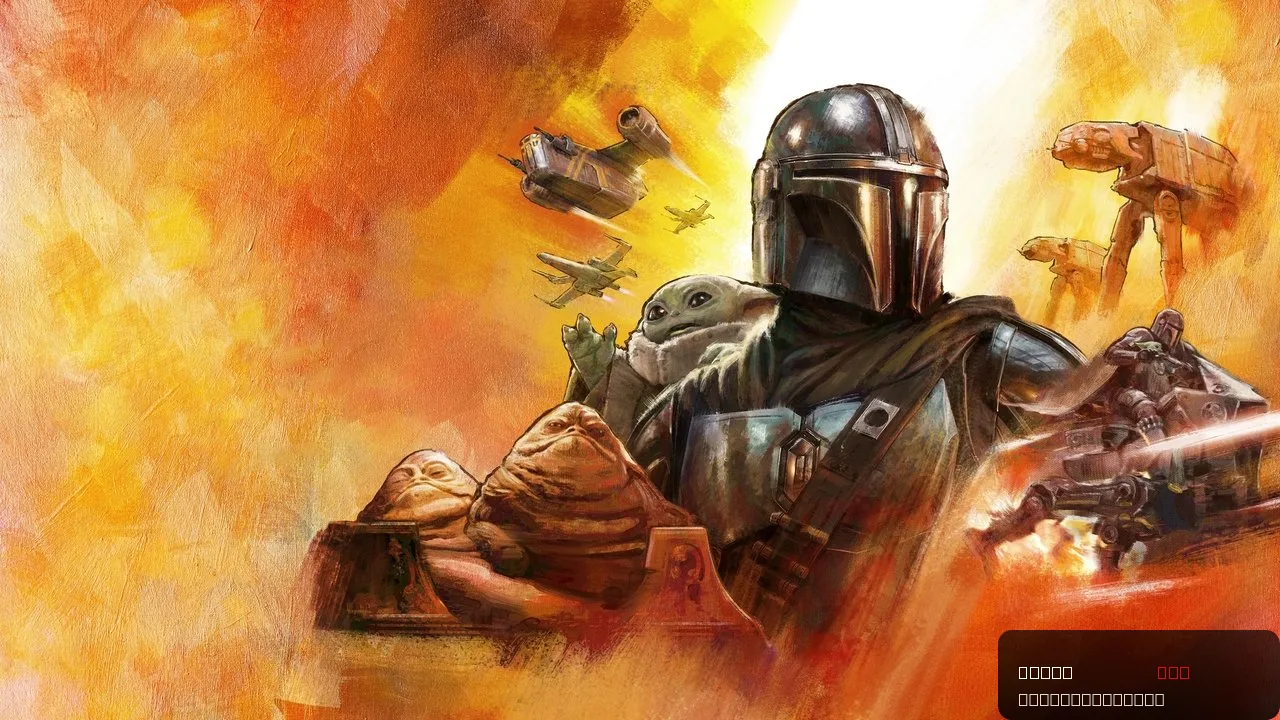
Star Wars Is Now a Streaming Franchise Pretending to Be Theatrical
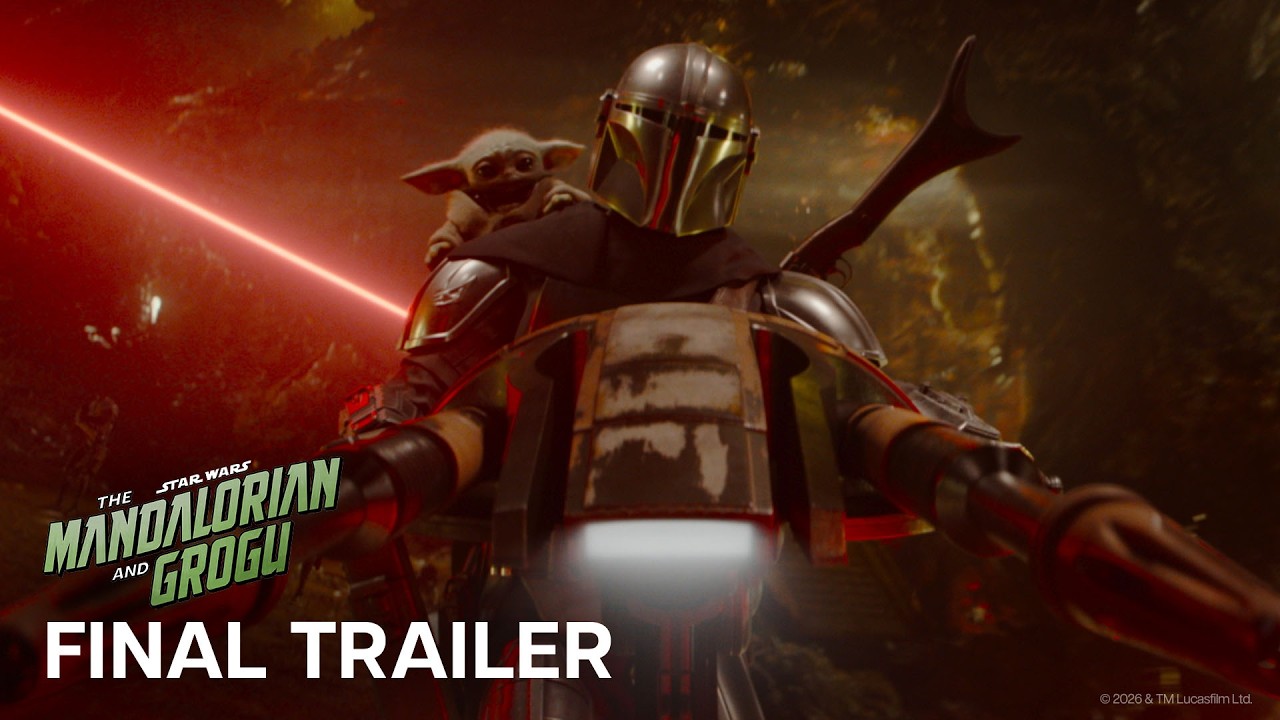
TL;DR: The Mandalorian and Grogu opens May 23, 2026, tracking for $82 million domestically — respectable for most franchises, embarrassing for Star Wars. Pedro Pascal leads. Disney expects to recoup costs through toy sales and Disney+ subscribers, not ticket demand. That shift tells you everything.
The Mandalorian has a problem, and it's not a creative one.
When Jeff Bock of Exhibitor Relations told The Wrap that Grogu is "the safest option available" for Star Wars' theatrical return, he wasn't complimenting the franchise. He was diagnosing it. Safe means Disney has lost confidence in the broader mythology. Safe means they're leaning on a three-foot green alien because the galaxy itself doesn't pull audiences into theaters anymore.
Not long ago, Star Wars didn't need safe. The Force Awakens made $2.07 billion worldwide. The original trilogy rewrote cinema. Even divisive entries like The Last Jedi crossed $1.3 billion. These weren't calculated bets. They were cultural inevitabilities.
Now Disney is hoping families with kids under 13 will show up in May because the adult audience stopped showing up years ago.
The Numbers Are Brutal, Even If They Don't Look It
The Mandalorian and Grogu hits theaters May 23, 2026 — Memorial Day weekend — with a projected 4-day domestic opening of $82 million. Globally, it's tracking around $160 million for the opening weekend.
Here's what that actually means: it ranks 15th among all Memorial Day opening weekends, before inflation adjustment. Disney's own Lilo & Stitch remake set a May record last year at $182 million. This film isn't chasing that. It's not even in conversation.
The cast:
- Pedro Pascal as Din Djarin, the Mandalorian bounty hunter
- Grogu, returning as his Force-sensitive young ward
- Dave Filoni overseeing Lucasfilm's creative direction
The writer-producer is Jon Favreau, who created the original Disney+ series. The director isn't named in advance materials — a choice that itself tells you the prestige angle was never the play. When you're not announcing your director, you're selling a brand, not a vision.
The critical reception — 60% on Rotten Tomatoes at time of writing — doesn't help. That's not a disaster. But for a franchise that once felt bulletproof, it confirms what the tracking whispers: this is a TV movie that got a theatrical release because merchandise sales depend on it.
What Happened to the Franchise That Couldn't Fail
Seven Star Wars films were the highest-grossing releases of their opening years. Seven. That's not a winning streak. That's a force of nature that stopped moving.
The Disney era's collapse wasn't sudden. It was gradual, then catastrophic. The Rise of Skywalker (2019) finished with $1.07 billion worldwide, a steep cliff from The Force Awakens. Solo: A Star Wars Story opened to $103 million domestically and died fast — $392 million worldwide on a $275 million budget, which Disney quietly called a failure. The sequel trilogy burned through audience goodwill with tonal whiplash and production chaos that became industry legend.
Then The Mandalorian landed on Disney+ in November 2019 and actually worked. The show hit 1 billion hours viewed by December 2025, making it the platform's most-watched original series. Season 1's finale — where Grogu's Force sensitivity becomes undeniable — built something the sequel trilogy never managed: genuine emotional investment in a character. People cared about this little creature. They bought toys. They made memes. They wanted more.
Three years have passed since Season 3 wrapped. And now Disney's bet is that Grogu alone can carry a theatrical release. That the character's Q-score matters more than the franchise's mythology.
Most coverage frames this theatrical jump as a natural evolution, a reward for the show's popularity. The more honest read is that it's a desperation pivot dressed up as a promotion. Disney canceled multiple announced Star Wars films (Patty Jenkins' Rogue Squadron, Rian Johnson's trilogy, the Taika Waititi project) and has nothing else ready. Grogu isn't here because he earned a big screen. He's here because nobody else showed up.
I keep coming back to Bock's comment about merch: "If merchandise sales hit certain marks to the point that it is clear that Grogu has cinematic draw, Disney might be able to get a trilogy out of this." A trilogy that depends on toy sales, not ticket demand, is a franchise operating under completely different assumptions than the one George Lucas built.
Why the First Weekend Matters More Than the Box Office
The Mandalorian and Grogu isn't auditioning itself. It's auditioning the entire concept of Star Wars as a theatrical IP. Lucasfilm has Star Wars: Starfighter and other projects in development. If this film holds strong through week two — if the drop stays within 45-50% instead of collapsing 60% — those projects get greenlit with confidence.
A weak second weekend doesn't just mean lower totals. It means Disney reassesses whether Star Wars belongs in theaters at all.
The real comparable isn't Avengers: Endgame. It's Pixar's Cars 3, which made a modest $383.9 million worldwide in 2017 and functioned primarily as a merch delivery mechanism with a runtime. That's not an insult. It's just a different business model, one where the film exists to remind people that toys and streaming episodes exist.
The theatrical market itself is reasonably healthy. May 2026 is running 33% ahead of last year's pace at $567 million so far, per The Wrap. Thunderbolts* and The Fantastic Four: First Steps both had similar opening weekends and nobody called them franchise killers. But neither of those films is competing directly against Mission: Impossible — The Final Reckoning, which opens just one week later on May 30 and is tracking north of $100 million domestic, threatening to vacuum up the exact adult-male audience that Star Wars can't afford to lose in week two. So the question isn't whether Mandalorian and Grogu will make money. It will. The question is whether Disney still believes Star Wars belongs on the biggest screens, or whether it's resigned to being a streaming-first franchise that occasionally gets a theatrical costume.
Where Indian Audiences Fit In
For viewers in India, The Mandalorian and Grogu presents a familiar choice: pay for a theatrical ticket to what's structurally a Disney+ movie, or wait six to eight weeks for it to land on the platform you're already subscribed to.
Star Wars has historically underperformed in India compared to Western markets. The franchise's mythology doesn't carry the same childhood-nostalgia weight for Indian audiences (the original trilogy never got a wide theatrical release in India, arriving mostly through pirated VHS tapes in the late '80s), but Grogu changed that calculus somewhat. The character went viral on social media long before most Indians saw the Disney+ series. Younger viewers who discovered Grogu through memes developed genuine affection before they watched a single episode.
Disney+ Hotstar holds the streaming rights in India. The theatrical release is expected to launch simultaneously with the U.S. opening, with dubbed versions in Hindi, Tamil, and Telugu alongside the English original. But here's the thing: most Indian audiences will probably wait for Hotstar. The franchise doesn't have the cultural gravity it once did.
For up-to-date tracking on where the film lands — theatrically and on streaming — Movie OTT's regional release tracker updates daily across India, the US, UK, and Spain. Check there for exact platform availability in your region.
Where to watch (region-specific):
- India: Disney+ Hotstar (post-theatrical window); PVR, INOX for theatrical
- United States: Theatrical via Disney; Disney+ post-theatrical
- United Kingdom: Vue, Odeon for theatrical; Disney+ after the window closes
- Spain: Cinesa and regional chains for theatrical; Disney+ for streaming
The Next Six Weeks Will Determine Everything
Monday's box office numbers matter less than Thursday's. If Mandalorian and Grogu holds within 45-50% of its opening weekend, families are coming back and rewatching — a sign of genuine appeal. A 60%+ drop confirms it's event viewing for the faithful, not a crossover hit.
Dave Filoni's broader Mandalorian-verse plans depend on this. Rumored connective tissue to the Ahsoka storyline. Setup for Star Wars: Starfighter. These projects don't get greenlit if Mandalorian and Grogu collapses.
A Cars 3-style run — modest theatrical, strong merch, healthy streaming numbers — keeps the lights on at Lucasfilm and gives them room to maneuver. Anything below that, and the conversation about whether Star Wars should abandon theaters entirely stops being theoretical and becomes boardroom reality.
Hard to imagine any single film could fully restore this franchise's theatrical prestige at this point. But this one has to at least prove the floor exists.
What Actually Happens After May 31
The Mandalorian and Grogu hits theaters May 23, 2026, with Pedro Pascal leading and Jon Favreau writing under Dave Filoni's oversight at Lucasfilm. The 60% Rotten Tomatoes score isn't fatal, but it's not the kind of number that drives casual audiences off their couches.
Watch the first 10 days. That's when you'll know if Star Wars still has theatrical power or if it's officially a Disney+ franchise that makes occasional theatrical appearances.
For streaming availability as the theatrical window closes — and where the film lands on Hotstar, Disney+, and other platforms across your region — Movie OTT tracks current platform lineups. It updates as release dates and windows shift.
We'll know by June 2 whether this franchise has a pulse at the box office, or whether Grogu's job is just to sell toys and drive subscriptions. We shall see.
Watch the official trailer: