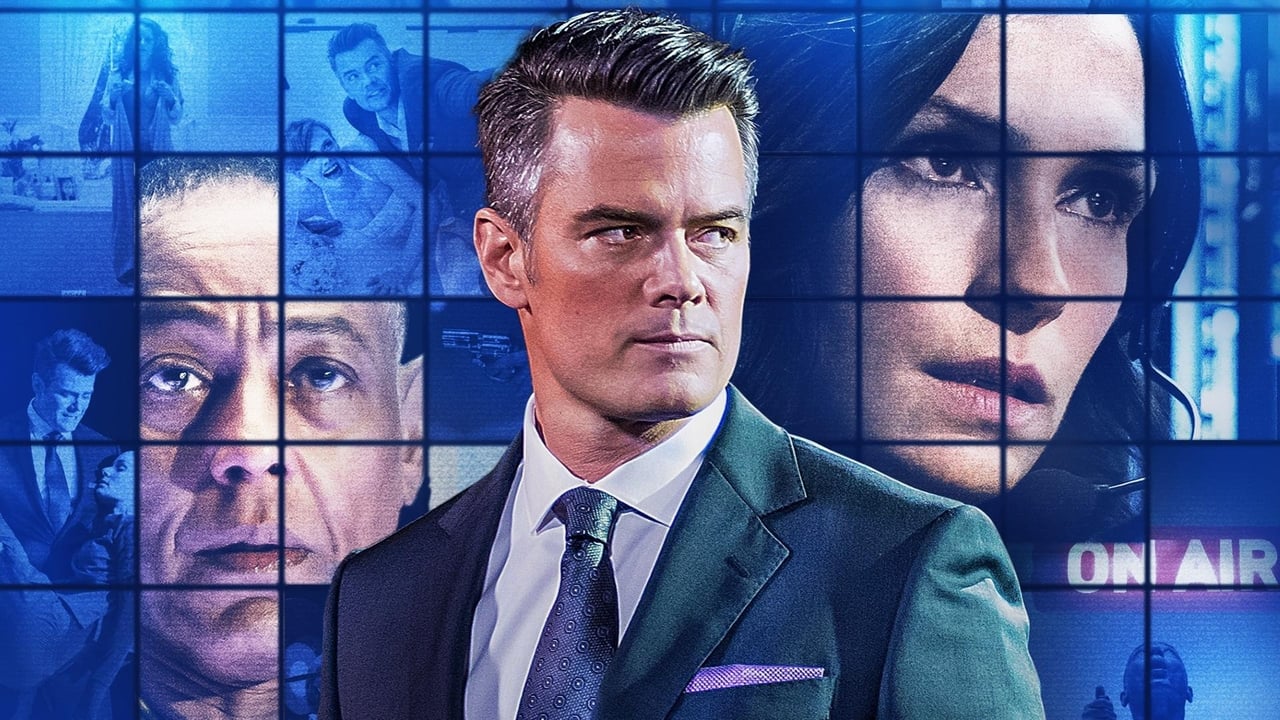
Stephen Colbert's Exit Reveals Late Night's Broken Business Model
TL;DR: Stephen Colbert leaves The Late Show on CBS in May 2026 after 11 years. The cancellation isn't about politics — it's about a broadcast model that can't monetize the audience that actually exists anymore. His YouTube clips get millions of views. The ad revenue doesn't follow.
There's a particular kind of grief that hits when you realize you stopped paying attention long before it ended. Stephen Colbert — comedian, satirist, openly Catholic, and for eleven years the sharpest voice in American late night — is leaving The Late Show on CBS this Thursday. And the uncomfortable truth is that most of the people who genuinely loved what he did had already drifted away.
That drift isn't a character flaw. It's structural. We're scrolling past 11 p.m. now. We're catching Colbert's best bits on YouTube the next morning instead of staying up to watch live. The show didn't lose its audience so much as the audience changed its habits — and the advertising model couldn't survive the translation.
Why the Numbers Tell a Story About Economics, Not Talent
Here's what the data actually shows: Colbert averaged 2.7 million nightly viewers, making him No. 1 in broadcast late night. That sounds healthy until you compare it to what these shows used to pull. Jimmy Fallon's Tonight Show has fallen 64% since 2015 — from 3.6 million viewers to roughly 1.3 million today. Colbert himself is down about 9% from his peak. Still the best in the format. Still wasn't enough.
The real killer is ad revenue. Per iSpot TV data reported by TheWrap, The Late Show lost 25% of its advertising revenue between 2022 and 2024. The Tonight Show dropped 35% in that window. That kind of erosion doesn't reverse. Advertisers follow eyeballs, and the eyeballs moved to YouTube, TikTok, and streaming platforms where CBS doesn't collect the check.
CBS is replacing Colbert with Comics Unleashed, a Byron Allen production that costs a fraction of what a top-tier late night operation demands. It's not a creative choice. It's a balance sheet decision — probably the right one by broadcast logic, even if it stings.
What Colbert Actually Built — Before Format Became the Problem
Colbert's television career matters here. Nine years on The Colbert Report at Comedy Central, playing a fictionalized right-wing commentator so convincingly that a 2009 Ohio State study found that conservative viewers genuinely believed he meant what he said. That's not a failure of satire; it's a measure of how precisely calibrated the performance was. When he took over from David Letterman in September 2015, the fear was he'd never shed the character.
He did. Became more interesting, actually.
The show he built was genuinely unusual for late night. Musical guests weren't promotional obligations — they were artists. Political segments had the density of long-form journalism compressed into four minutes. His response to Trump's first and second terms was frequently the sharpest material on broadcast TV, not because he was angrier than competitors, but because he actually read what happened that day. In early May 2026, describing one of Trump's Iran proposals, he said it was "a letter of intent to eventually outline the idea of what you might agree to some other time." That's not committee-written comedy. That's a writer who does the work.
Most of the obituaries being written this week frame Colbert's departure as the death of political late night. The more honest reading is that Colbert was the last host doing something closer to Edward R. Murrow's craft than to Johnny Carson's — using the talk-show desk as a pulpit for civic argument, not celebrity banter — and the format simply refused to reward that ambition at the rate CBS needed.
For people tracking where Colbert's archived work streams, Movie OTT has tracked his Paramount+ availability in the US and international distribution — though late night episodic rights remain frustratingly fragmented by region and platform.
The YouTube Paradox Nobody's Solved Yet
Here's what the industry won't say plainly: Colbert isn't losing viewers. He's losing viewers in the wrong place for CBS's business model.
His YouTube channel has 10.7 million subscribers. Individual political clips routinely hit 7 to 9 million views. The audience skews younger — roughly half millennials — exactly the demographic advertisers chase hardest. But YouTube advertising rates for that content generate, per TheWrap's reporting, "pennies" compared to what the same eyeballs would produce on linear TV.
This is the genuine crisis. Not Trump. Not political exhaustion. Not cord-cutting as some abstract trend. The specific, structural problem: a massive, young, engaged audience for Colbert's work exists and actively watches — and the business infrastructure to monetize it at Late Show scale doesn't exist yet.
The logical next step — which several observers have floated — is Colbert launching an independent YouTube operation with direct advertising. He wouldn't be the first. Podcast-native and YouTube-native political comedy operations have found real audiences over the past five years. Whether the economics justify his talent level? That's the harder question.
Where You Can Actually Watch Colbert Right Now (and the India Question)
For international audiences, Colbert's cultural reach is real but unevenly distributed. In the UK and Spain, most people know him through clips — YouTube shares, social media circulation — not broadcast deals. His show never licensed internationally the way American dramas routinely do.
For Indian viewers specifically, the picture is fragmented:
- YouTube (free, globally available): The official Late Show channel has the deepest archive, organized by guest and topic
- Paramount+ / JioCinema Premium: Select full episodes available, though coverage varies by season
- No confirmed presence on Netflix India, Amazon Prime Video India, Hotstar, SonyLIV, or Zee5 as of publication
Movie OTT tracks streaming availability across major Indian platforms and flags updates when licensing deals shift — which matters, because post-cancellation, archival distribution often changes hands.
The Indian market context: late night political satire has a distinct domestic tradition, from The Kapil Sharma Show's entertainment focus to sharper YouTube-native commentary. Colbert's brand — grounded, literate, deeply American in reference but universal in satirical instinct — found an audience among Indian viewers who follow American politics closely.
What Comes Next, and Why This Matters Beyond One Show
Colbert's departure doesn't kill the man. It closes a door on a specific broadcast format that's been dying for longer than most admitted. Jimmy Kimmel and Jimmy Fallon remain on ABC and NBC respectively, but both operate with viewership numbers that would've been catastrophic a decade ago.
Watch for these signals:
- Whether Colbert announces an independent digital project, and when
- How Comics Unleashed performs against the audience expectations that slot historically carried (worth noting: the 11:35 p.m. CBS slot averaged a 0.44 rating in the 18-49 demo this past February, per Nielsen — Comics Unleashed will be measured against that floor, not against Letterman-era peaks)
- Whether any streaming platform moves to create late night–adjacent content built for on-demand viewing instead of live broadcast
The real question — and I keep coming back to this — is whether what Colbert did can survive format migration. Podcast satire is everywhere. YouTube political commentary is everywhere. But the nightly discipline of The Late Show, the obligation to be funny, accurate, and human five nights a week in front of a live audience, produced something that clip culture can't quite replicate.
The Silence That Comes After Thursday
Stephen Colbert's final Late Show airs this Thursday. After that: silence on that frequency. Not silence from Colbert himself (he's too restless for that) but silence from the broadcast institution that shaped late night for sixty years.
Here's the honest take: technology didn't destroy the audience for intelligent political comedy. It relocated it. The audience for what Colbert does is larger than ever, measured by digital reach. The problem is purely financial architecture. Solvable. Just hasn't been solved yet.
Meanwhile, his YouTube clips keep racking up millions of views the morning after while the ad revenue stays elsewhere. That asymmetry should bother us more than it does.
For the latest on where Colbert's work streams as distribution deals evolve post-cancellation, Movie OTT's streaming tracker updates across all regions as licensing changes.