Elizabeth Warren: Why a Paramount-WBD Merger Could Kill the Next Severance
TL;DR: Senator Elizabeth Warren argues the proposed Paramount–Warner Bros. Discovery merger threatens creative, risk-taking shows like Apple TV+'s hit Severance. Her core point? Fewer studios mean fewer bold ideas ever get made, prices for streamers could rise, and a "Trump-aligned" ownership structure worries her. Here’s what that means for your streaming choices, plus where to watch Severance if you haven't seen it yet.
The Severance Story: Why Apple's Hit Almost Never Happened
Three years after AT&T's disastrous merger with Time Warner became a textbook example of media consolidation gone wrong — a deal that eventually saw WarnerMedia spun off at enormous cost to everyone involved — Washington is watching another Hollywood mega-merger. This time, it's Paramount and Warner Bros. Discovery circling each other. And this time, a U.S. senator is using one of streaming's most celebrated shows to explain exactly why that should alarm you.
Senator Elizabeth Warren of Massachusetts went public on May 11, 2026, with a pointed social media post. Her target: the near-death history of Severance — the Apple TV+ psychological thriller that literally almost never existed. It's a prime example, she says, of why media monopolies kill creativity before audiences ever get a chance to see it.
Dan Erickson first developed the Severance script in 2015. He shopped it around Hollywood for years. Four years of rejection from other studios. No bites. The premise, for many, was just too weird, too specific, too uncommercial for traditional networks or early streaming platforms. A corporate procedure that literally severs employees' memories between work and home life? A big gamble.
Apple TV+ finally picked it up in 2019. And that gamble paid off. The show premiered in February 2022, became one of the most talked-about series of that decade, and is now heading into a confirmed third season after Season 2 aired in early 2025. What strikes me is how much its success relied on a platform willing to take a chance.
Warren's Warning: Fewer Studios, Fewer Choices, Higher Prices
The senator's argument isn't abstract antitrust theory. It's surprisingly concrete, rooted in Severance's difficult journey. That journey, she argues, required multiple studios to exist. Multiple doors for Erickson to knock on. If the entertainment landscape had already been compressed into one or two dominant players, Erickson's script might still be sitting in a drawer somewhere.
Here’s the core of her argument, broken down:
- Creative risk requires competition. Bold, strange ideas get passed on by one studio and picked up by another. That's how the industry has always worked.
- Fewer studios means higher prices. With less competition for subscribers, streaming services have less incentive to keep costs low. We’ve already seen prices creep up; a merged behemoth won't help.
- Fewer studios means fewer choices. The long tail of niche, ambitious content shrinks when a handful of executives control what gets greenlit.
- The ownership question matters. Warren specifically named the Ellison family — who control Paramount's parent company Skydance — as a "Trump-aligned dynasty," framing the merger not just as a business deal but as a political consolidation of cultural power.
"Here is the most eerie thing about the TV show 'Severance': Shows like 'Severance' could go away entirely if a single studio has a monopoly control over Hollywood — and that's something that Donald Trump is trying to enable," Warren wrote on X. She followed that with the line that's been circulating everywhere: "Listen, I know I don't want all my movies and TV shows to be controlled by some Trump-aligned dynasty, and that's why I'm speaking out on this."
Merger Timeline: A $7 Billion Bet and Government Scrutiny
The Paramount–WBD merger is, as of this writing, on track to close by Q3 2026. That's not speculation — The Wrap confirmed the timeline, noting that if the deal isn't finalized by September 30, Warner Bros. Discovery shareholders are entitled to a 25-cent-per-share "ticking fee" for each quarter the closing is delayed. More dramatically: if the deal collapses entirely due to regulatory intervention, Paramount is on the hook for a $7 billion termination fee to WBD. That number alone tells you how serious both sides are about getting this across the finish line.
State attorneys general have already issued subpoenas as part of a Department of Justice investigation into Paramount Skydance. Warren had flagged the antitrust dimension as far back as February 2026, publicly questioning why Paramount won the WBD bidding war over Netflix — and what, exactly, Trump administration officials communicated to Netflix's leadership during a White House meeting. Hard to say if those conversations will ever be fully disclosed.
What This Merger Means For Your Streaming Library (and Wallet)
Warren isn't the only creative-industry voice speaking out. According to reporting from The Wrap, actor Mark Ruffalo published an op-ed in the New York Times urging artists to unite against the merger — language that suggests the opposition is building beyond just political figures into the talent community itself.
What’s striking is how the Severance example cuts through the usual merger-coverage fog. Most antitrust arguments live in spreadsheets and market-share percentages. Warren translated it into something any viewer can feel: imagine your favorite show never getting made. That's not hyperbole — it's the literal history of Severance.
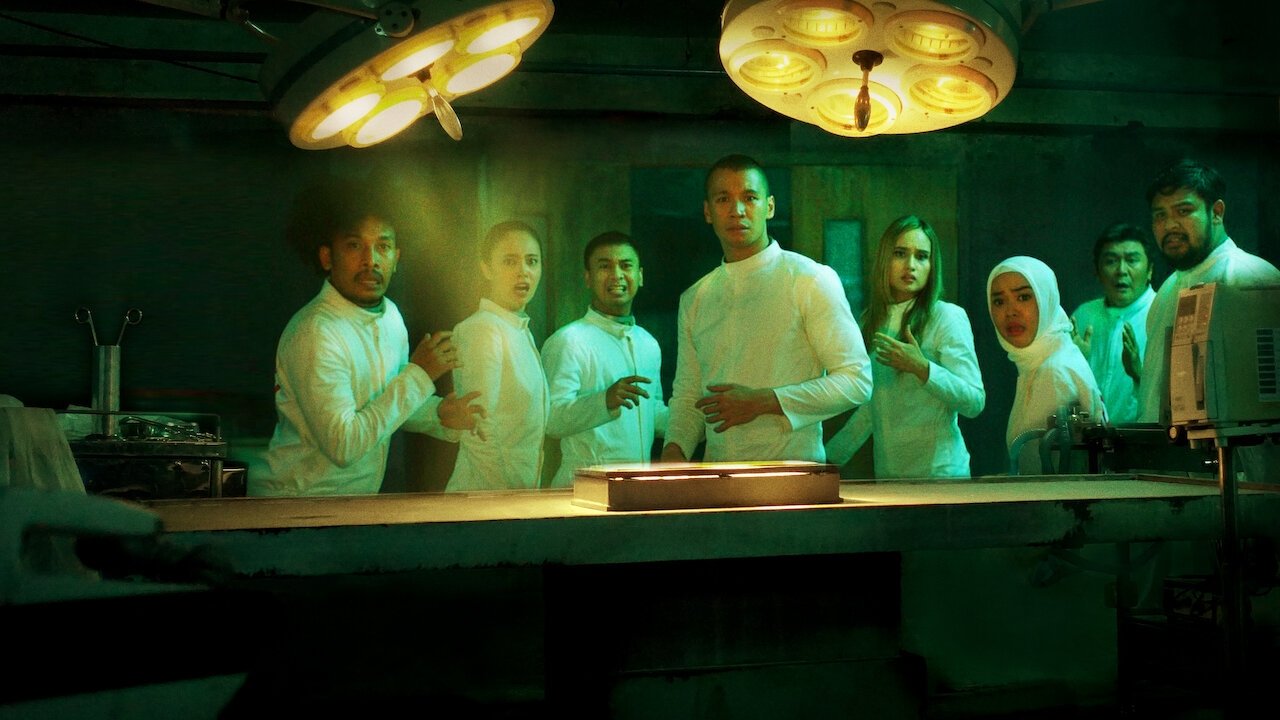
The show, executive produced by Ben Stiller and starring Adam Scott as Mark Scout — a man who has surgically separated his work and personal memories — spent four years in development hell precisely because it was too weird, too specific, too uncommercial for most studios to greenlight. Apple TV+, a platform with deep pockets and a mandate to produce prestige content that drives hardware sales, took the bet. Would a merged Paramount-WBD behemoth, under pressure to rationalize costs and satisfy shareholders, make the same call? Honestly, probably not. For constant updates on how streaming availability shifts after big deals, Movie OTT is a great resource.
For Indian Viewers: Why Distant Mergers Hit Home
For Indian viewers, the Paramount-WBD merger might feel like a distant corporate drama — but the downstream effects are real and worth paying attention to.
Apple TV+ has been quietly building its Indian subscriber base, with Severance, Ted Lasso, and The Morning Show acting as its marquee draws. The service is available in India at a monthly subscription rate significantly lower than its U.S. pricing, and it's accessible through the Apple TV app on iOS devices, Android, smart TVs, and via web browsers.
The consolidation risk Warren describes — fewer studios, fewer creative bets, higher prices — applies directly to Indian audiences who rely on global streaming platforms for international content. When Warner Bros. Discovery restructured after its own merger, Indian subscribers briefly lost access to certain HBO titles on various platforms while licensing was renegotiated. That kind of disruption could repeat on a larger scale if Paramount and WBD combine their libraries and start pulling content from competing services. Movie OTT's where-to-watch tracker provides invaluable India-specific listings across Netflix, Prime Video, Hotstar, JioCinema, SonyLIV, and Zee5 — and its data shows how frequently major titles shift between services following corporate deals. For Indian fans of Severance specifically, the show currently has no dubbed Hindi version, which limits its mainstream reach, but its English-language fanbase in metros like Mumbai, Bangalore, and Delhi has been notably enthusiastic since Season 1.
Where to Watch Severance Now
If Warren's argument sent you to your remote to find the show, here's where it lives across regions:
- United States: Apple TV+ (all seasons available)
- United Kingdom: Apple TV+ (all seasons available)
- Spain: Apple TV+ (all seasons available, with Spanish dubbing and subtitles)
- India: Apple TV+ via the Apple TV app (available on web, iOS, Android, and smart TVs); also check Movie OTT for current regional availability and any bundled telecom deals.
Season 1 premiered February 18, 2022. Season 2 dropped in early 2025. Season 3 has been confirmed but no premiere date has been announced as of May 2026.
What's Next: Season 3, Regulatory Hurdles, and Your Watchlist
Season 3 of Severance is confirmed. No premiere date has been set. Given the show's production pace — roughly two to three years between seasons — a 2027 arrival seems plausible, though Apple hasn't committed publicly.
On the merger front, the Q3 2026 target date is firm, but the DOJ investigation and state attorney general subpoenas introduce genuine uncertainty. Warren's public campaign, combined with Ruffalo's op-ed and likely more voices to come, suggests organized opposition is building. Whether it's enough to slow or block a deal backed by significant financial and political infrastructure is another question entirely.
For viewers who want to stay ahead of how this affects streaming availability — which platforms gain or lose which titles, and when — Movie OTT