Emilia Fox and Real Criminologists Are About to Dismantle True Crime's Ethical Gray Area
TL;DR: On June 2, Deadline's Reality TV Summit at SXSW London hosts "The Truth About True Crime," where Emilia Fox, criminologist David Wilson, and Netflix producer Felicity Morris will debate how documentaries tip from storytelling into exploitation. Free registration, limited seats. Why this matters: the streaming industry is finally asking questions it should've asked a decade ago.
True crime documentaries are eating themselves. Not literally. But the genre has grown so fast, and so profitable, that the people actually making these shows are starting to sound like they don't trust what they're making anymore. On June 2, 2026, at the Tab Centre in London, that uncomfortable conversation goes public.
Deadline just added "The Truth About True Crime" to SXSW London's Reality TV Summit — a session that's already generating more industry chatter than the rest of the programme combined. And that's because the guest list isn't there to celebrate the genre. They're there to interrogate it.
Who's actually sitting on that stage — and why each one matters
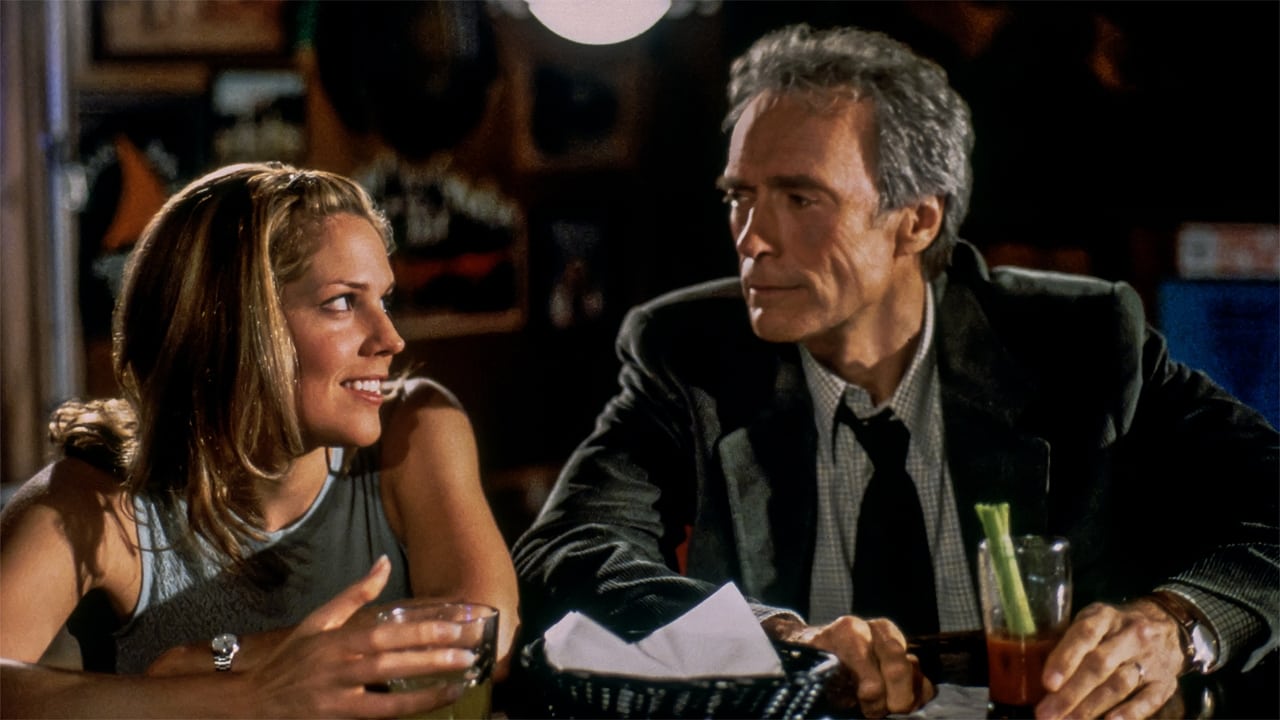
Emilia Fox — the pathologist from BBC's Silent Witness — isn't just lending her name to lend credibility. She co-presents Channel 4's In the Footsteps of Killers alongside David Wilson, a criminologist and Emeritus Professor at Birmingham City University who's spent decades studying violent offenders and the media ecosystems built around them. They've made this show together. They know where the line between investigation and spectacle gets blurry.
Wilson doesn't pull punches. He's written extensively about crime journalism ethics, and his presence signals the organisers wanted actual intellectual friction here — not a panel high-fiving the genre's commercial wins.
Then there's Felicity Morris, who's produced Netflix's The Tinder Swindler, Don't F**k With Cats, and American Nightmare. This is the interesting move. Morris has made documentaries that've been criticised for amplifying the very crimes they claimed to investigate. She's also made documentaries praised for their ethical restraint. She's the person in that room who can speak to the specific decisions — which archive footage to include, who gets interviewed, how you frame a perpetrator — that determine which side of the line you land on.
Bruce Fletcher from Sky rounds out the panel. Sky's betting heavily on premium true crime content in the UK, which means his commissioning decisions over the next 18 months will either validate or complicate everything said on that stage.
Registration is free through Deadline's event page, though capacity is capped.
Why this conversation is actually overdue
The genre isn't new. The scale is. Netflix's Dahmer series generated 196 million viewing hours in its first week alone, a number that prompted immediate backlash from victims' family members who said nobody consulted them about how their relatives would be portrayed. Ryan Murphy's machine turned a verdict into prestige television in under 18 months. That's the speed we're talking about.
Here's what most trade coverage of this panel won't say plainly: the true crime boom isn't a storytelling movement anymore, it's a supply-chain problem. Streamers need cheap, high-retention content with built-in search interest, and real-life murder delivers that at a fraction of scripted drama's per-episode cost. The ethical conversation is welcome, but it's also arriving precisely because the economics have gotten embarrassing enough that platforms need to be seen asking the questions. Don't mistake the timing for conscience.
Movie OTT's streaming tracker shows just how deep the true crime catalogue has become across Netflix, Prime Video, and regional platforms. The genre dominates. Which means the ethical questions aren't abstract anymore. They're production decisions that affect real people's lives, broadcast to millions.
The comparison point worth raising: Making a Murderer aired over a decade ago. That series arguably launched the current wave of prestige true crime. It's been ten years. The genre has expanded, fragmented, and in some cases, gotten cheaper. Panels like this one are the industry's belated attempt to draw a line.
What Felicity Morris actually knows about walking that line
If you want to understand the stakes here, look at Morris's three major credits and what they've taught her.
Don't F**k With Cats (Netflix, 2019), a three-part series about a crowdsourced manhunt, drew criticism for potentially amplifying the very notoriety it claimed to investigate. The internet hunted. The documentary captured the hunt. Did it inadvertently reward the perpetrator with exactly the attention he craved? That question haunted the series. (There's a moment in Episode 3 where the filmmakers themselves seem to flinch at what they've built, which tells you everything about the genre's self-awareness problem.)
The Tinder Swindler (Netflix, 2022) became one of Netflix's most-watched documentaries, racking up 45 million household views in its first 28 days. The difference: it centered the victims' experiences rather than the con artist's cunning.
American Nightmare (Netflix, 2024) re-examined the Denise Huskins case, the couple falsely accused when she was kidnapped and he was branded a liar. The documentary is widely praised for its ethical handling of people who'd already been publicly humiliated once by law enforcement and media. It doesn't sensationalise. It repairs.
That range matters. Morris has made work that's been criticised and work that's been lauded. She's the practitioner in that room. She knows the difference isn't budget or talent. It's choice.
Where to actually watch these shows — before the panel
If you're planning to attend, or just want context before the discussion, here's where the key titles are currently streaming:
In the UK:
- In the Footsteps of Killers — Channel 4 / My4
- Silent Witness (Emilia Fox's long-running drama) — BBC iPlayer
On Netflix (globally):
- The Tinder Swindler
- Don't F**k With Cats
- American Nightmare
For Indian audiences specifically: All three Felicity Morris Netflix titles are available domestically. In the Footsteps of Killers doesn't currently have confirmed distribution on major Indian platforms, though Movie OTT's where-to-watch database tracks when that changes. For Indian viewers, the more relevant comp isn't the UK true crime wave at all; it's the breakout success of Indian Predator on Netflix India, which cracked the platform's Global Top 10 Non-English list in 2022 and proved there's a massive domestic appetite for locally rooted crime docs done with journalistic rigour. That's the benchmark Fox and Morris should be measured against in this market.
The question nobody's really asked out loud yet
I keep coming back to the framing Deadline chose: who actually holds the power? Is it the storytellers, the networks, or the audience?
Not rhetorical. That's the question that determines whether true crime evolves into something more ethically coherent or whether it keeps burning through credibility chasing the Dahmer numbers.
Sky's involvement matters here. Sky has positioned itself as the premium true crime destination in the UK. From what I gather, the word on the lot is that Sky's unscripted division has at least three true crime projects in active development for 2027, with Fletcher personally overseeing commissioning (though that part is still rumour). If he leaves that stage and greenlights documentaries the same way he did before June 2, nothing changes. If he doesn't, if the panel actually shifts how the network thinks about victim consent and narrative framing, that's the real test.
Because a good conversation is fine. A good conversation that changes production decisions is something else entirely.
What to actually do with this information
SXSW London's Reality TV Summit runs June 2, 2026, at the Tab Centre. The full day includes a Netflix UK unscripted keynote and a Taskmaster masterclass alongside the true crime panel. Registration is free. Seats are limited.
Whether this produces anything beyond a good hour of discourse is still an open question. I hear the session may be recorded and distributed after, but nothing's confirmed. The guest list is strong enough that if you're anywhere near London that week, it's worth attending.
True crime isn't slowing down. The ethical framework around it is being built in real time. And the people building it will be in that room. What they decide to say, and more importantly what they decide to do next, matters for every documentary that gets greenlit after.