One-Punch Man's Anime Is Collapsing — But the Manga Is Still Worth Your Time
TL;DR: One-Punch Man season 3 (2025, J.C.Staff) has delivered animation disasters that went viral for all the wrong reasons. The manga by Yusuke Murata remains exceptional. Here's where to watch, what's still working, which version actually matters, and whether the franchise can recover before part 2 in 2027.
One-Punch Man's anime is broken.
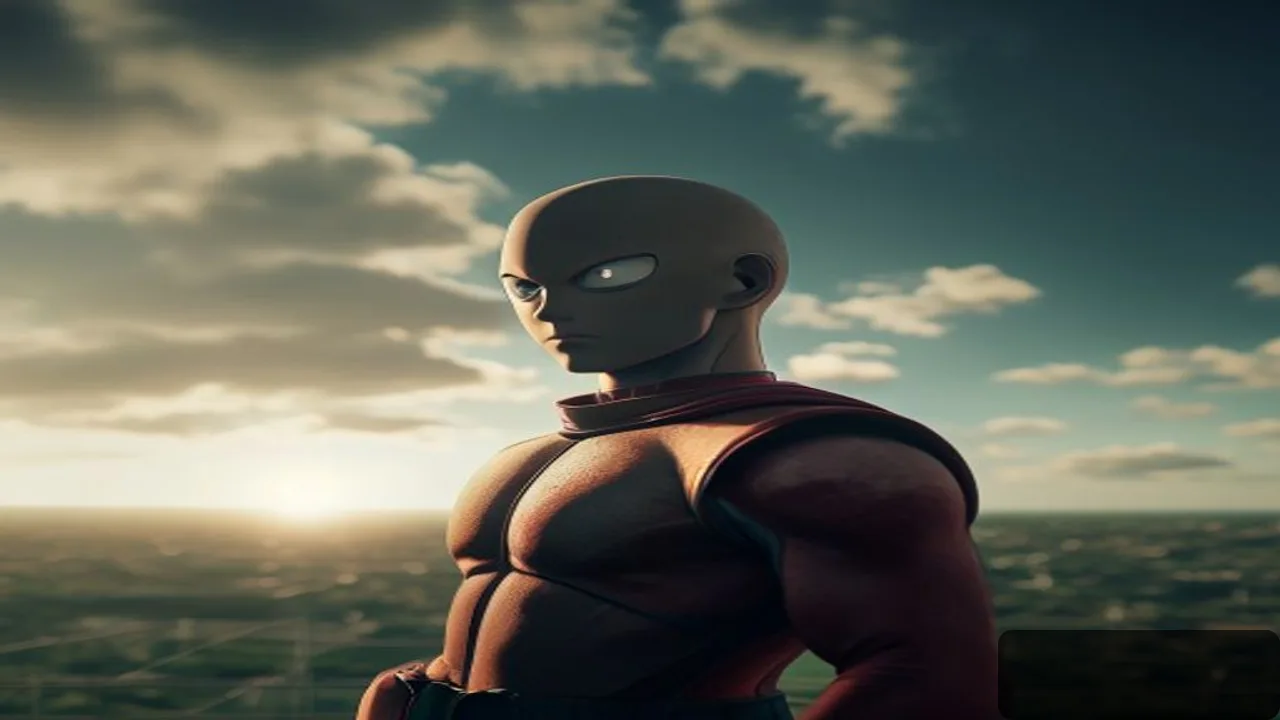
Not metaphorically. Not "fans being too harsh." The studio J.C.Staff produced season 3 in 2025 with animation errors so visible they escaped fandom forums and hit mainstream social media with hundreds of thousands of impressions. The Garou slide. Mizuki's phantom fingers. Zombieman operating doors through apparent telekinesis. These aren't frame-counter nitpicks. They're the kind of gaffes that drag a franchise through the mud six years after season 2 already disappointed audiences.
The real question now: Is any version of One-Punch Man worth your time in 2026?
Season 1 Was Lightning in a Bottle — Then Everything Changed
One-Punch Man premiered in October 2015 under Madhouse, the studio behind Death Note and Hunter x Hunter (2011). That first season was exceptional. Fluid animation, kinetic action sequences, comedy timing that landed. The opening alone became one of the decade's most referenced pieces of anime craft.
J.C.Staff took over for season 2 in 2019. The quality drop was immediate. Genos' character design flattened. Movement became stiff. By season 3, the problems had compounded. And here's what's frustrating: J.C.Staff isn't incapable of good work. The studio handles DanMachi and Food Wars competently. Something about One-Punch Man's production went sideways — likely resource allocation combined with an accelerated schedule that didn't account for the source material's visual complexity.
The manga, meanwhile, did something opposite. Where the anime rushed, Yusuke Murata stalled and perfected. The Cosmic Fear Garou fight sequence? Some of the most ambitious panel work in recent manga history. The studio had Murata's artwork as a visual blueprint and still fumbled the adaptation.
Where to Actually Watch This (And Whether You Should)
Here's the practical breakdown:
Streaming availability (as of mid-2026):
- United States: Crunchyroll (subbed + dubbed), Netflix (select seasons)
- United Kingdom: Crunchyroll
- India: Crunchyroll (subbed only for season 3), Netflix India (earlier seasons)
- Spain: Crunchyroll
Movie OTT's streaming tracker updates regional listings regularly — worth checking before you commit to a subscription, especially in India where season 3 licensing remains subtitles-only.
The watch order: Start with season 1 (Madhouse, 2015). It holds up. Then decide whether you want to continue into seasons 2 and 3, knowing the animation quality declines noticeably. Honestly, many fans are skipping directly to the manga at this point, and that's a valid choice.
Rating: TV-PG (Action, Sci-Fi, Comedy) Voice cast: Makoto Furukawa (Saitama), Kaito Ishikawa (Genos)
What Yusuke Murata Actually Said About All This
The manga artist has been vocal about refusing compromise. When fans pushed him to rush the story, Murata stuck to his position: "I'm not going to change myself." That quote hit differently after season 3 aired.
Here's the timeline: The manga spent roughly eighteen months on redraws, stalling the Neo Heroes Uprising Arc while Murata reworked key sequences. Fans were frustrated. Some still are. But that perfectionism created panel-level artwork that functions as a near-perfect visual template. The anime had that template and still managed to mess it up. Badly.
What's striking is that Murata's stubbornness actually makes sense now. He was watching the adaptation struggles in real time, and he chose to control what he could. The result is a manga that consistently ranks 9.0+ across MyAnimeList and other tracking sites, while the anime limps along much lower.
The Manga Is Moving Again (And It's Getting Interesting)
After the redraw period ended, ONE and Murata have the Neo Heroes Saga properly in motion. Suiko, Suiryu's sister, is getting real page time against Dragon-level threats. Superalloy Darkshine is dealing with an identity crisis that's actually compelling. Child Emperor is attempting a rebrand. And here's the part people forget: Saitama isn't even the most important character in several recent chapters.
That's a feature. One-Punch Man works best when Saitama is a background constant rather than the narrative engine. The supporting cast carries dramatic weight. The comedy lands harder when Saitama shows up unexpectedly.
The webcomic, which ONE continues updating independently, has pushed even further ahead with Genos-centric storylines. The eventual Saitama-versus-God confrontation remains one of the most anticipated payoffs in ongoing manga — if the anime ever gets there in watchable form.
Why This Matters Beyond Just One Franchise
One-Punch Man's situation is a clean case study for a problem widening across the anime industry: source material quality increasingly outpaces adaptation quality, and audiences are now equipped to see it clearly.
Most coverage frames this as a simple production failure. The more interesting question is whether the seasonal anime model itself can sustain properties this visually demanding when studios are contractually locked into multi-project slates that guarantee resource dilution. That's the structural issue nobody in the trades wants to name, because it implicates the entire production committee system, not just one studio.
The Berserk comparison is instructive. Kentaro Miura's manga got a reasonable 1997 adaptation. The 2016-2017 CGI attempts became industry cautionary tales. One-Punch Man is following a similar arc — a genuinely exceptional source text keeps outpacing studios' ability (or willingness) to honor it.
What's changed is commercial reality. Crunchyroll's subscriber base grew significantly between 2020 and 2024, bringing more discerning viewers unwilling to accept degraded adaptations just because the IP has name recognition. J.C.Staff is reportedly juggling three major projects alongside One-Punch Man Part 2 for 2027. That's the real risk. Spread too thin, and the correction fans are hoping for never materializes.
The Indian Streaming Picture (And What It Means)
For Indian audiences, One-Punch Man is primarily accessible through Crunchyroll, which launched its India service in 2022 and carries all three seasons in Japanese with English subtitles. Netflix India has fluctuated on earlier season availability with licensing cycles.
Season 3 has no Hindi, Tamil, or Telugu dub confirmed. That limits reach among audiences preferring regional-language tracks. Season 1 circulated more widely in dubbed formats, but season 3 remains subtitles-only for Indian viewers as of now.
Movie OTT tracks current Indian OTT availability across Netflix, Prime Video, Hotstar, JioCinema, SonyLIV, and Crunchyroll — genuinely useful before subscribing specifically for this title. For Indian viewers, the more relevant comparison isn't Berserk's adaptation woes but the reception of Jujutsu Kaisen season 2 on Crunchyroll India, which, per the platform's own 2024 year-end data, ranked as the most-watched anime title in the country and proved Indian subscribers will pay for quality animation at ₹79/month — and notice immediately when they don't get it. A production stumble of season 3's scale doesn't kill audience interest, but it definitely pushes viewers toward the manga or other titles.
Part 2 in 2027: What Has to Change
Season 3, Part 2 arrives in 2027. The Monster Association Arc's most critical sequences are still ahead (the Cosmic Fear Garou material, the fights that defined the manga's reputation) and fans have been waiting years to see them animated properly.
J.C.Staff needs to do two things: limit its concurrent project load and assign genuinely skilled animators to the sequences that matter most. The studio's track record on other titles proves it's capable. The question is purely resource allocation. Hard to say if the 2027 timeline gives them enough runway, but it's more than they had for part 1.
For current streaming availability as Part 2 approaches, Movie OTT's tracker will have updated regional listings. Worth checking. Licensing deals shift faster than production schedules.
The Honest Take
Start with season 1. Enjoy it. Then pivot to the manga. Yusuke Murata's artwork is operating at a completely different level than the current anime, and you'll understand why fans are frustrated. The webcomic is also worth exploring if you want to see where the story is actually heading.
Whether J.C.Staff corrects course by 2027 is genuinely open. The studio has two years to prove it learned something from season 3's failures. The franchise still has hope — but that hope is entirely dependent on whether the anime can finally match the quality of its source material.