Dan Stevens' Psychiatric Horror Is Quietly Dominating Streaming Right Now
TL;DR: The Terror: Devil in Silver premiered May 7, 2026, on AMC+ and Shudder, and hit #2 on Australia's Stan within four days. Dan Stevens stars as a man wrongfully locked in a psychiatric hospital. If you've slept on this Ridley Scott–produced anthology franchise, the timing is perfect to start.
On May 11, 2026, something unexpected happened on Australian streaming charts. A psychiatric horror series—not Marvel, not reality TV, not a prestige limited series with A-list marketing—jumped to number two on Stan. No viral moment. No celebrity gossip. Just viewers discovering that the third season of The Terror had arrived, and it was good enough to tell their friends about.
The Terror: Devil in Silver is now streaming on AMC+ and Shudder in the US and UK, with Stan carrying it exclusively in Australia. If you haven't heard the name before, that's because the franchise doesn't rely on hype—it relies on the slow realization that you're watching something genuinely unsettling.
Where to Find It (And Why Australia Got It First)
Here's the practical breakdown:
- Title: The Terror: Devil in Silver
- Season: 3 of the anthology series
- Premiere: May 7, 2026
- Where to watch:
- US/UK: AMC+ and Shudder
- Australia: Stan (exclusive)
- India: Not yet acquired by major platforms (see below)
According to FlixPatrol data, the show entered Stan's Top 10 at #6 on May 9, held position on May 10, then climbed to #2 on May 11. That's steep momentum for something with a genuinely quiet rollout. Screen Rant confirmed the series also hit #1 on AMC+ in the US in early May, so the audience is already there—it's just not making noise about it.
The Australian success matters because it suggests international appetite. This is a show without celebrity scandal, without meme-able moments, without the marketing apparatus that usually props up a third season. Just word of mouth.
What Dan Stevens Is Actually Doing in This Thing
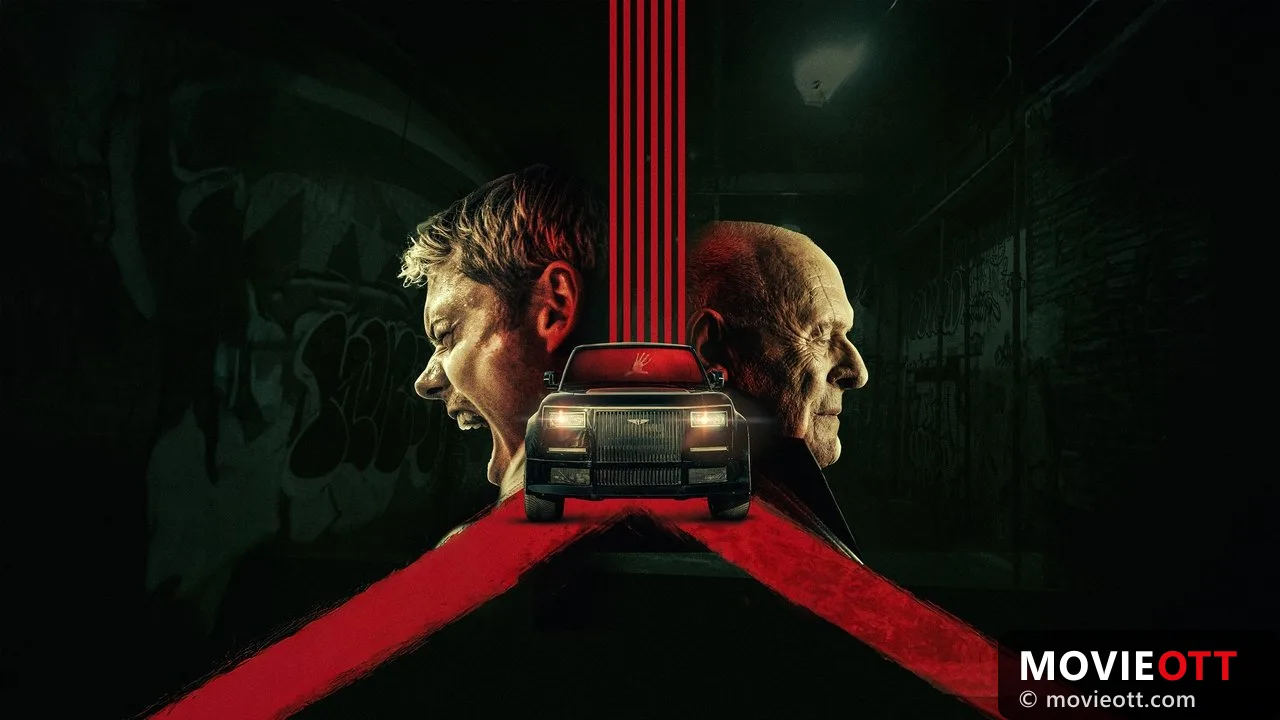
Dan Stevens plays Pepper, a man committed to New Hyde Psychiatric Hospital after a false accusation. He's sane. Everyone around him—the doctors, the orderlies, the administrative machinery—has every incentive to believe he's not.
If you know Stevens from Downton Abbey, you know he can do restraint. If you know him from The Guest (2014), you know he can make you deeply uncomfortable while you're rooting for him. Devil in Silver weaponizes both skills. He's got to project sanity convincingly while trapped in an institution designed to make sanity look like delusion. The role is basically a locked-room drama where the room is a psychiatric ward.
What's striking is how Stevens doesn't play Pepper as a victim. He plays him as someone rationally fighting a system that has no interest in listening. That matters, because the show isn't interested in cheap sympathy. It's interested in how power works when it's wrapped in medical authority.
The thing nobody mentions when comparing this to One Flew Over the Cuckoo's Nest is that The Terror is colder. Slower. Less interested in outrage and more interested in the quiet horror of being disbelieved by people who have paperwork on their side.
Why This Franchise Keeps Getting Darker Instead of Bigger
The Terror isn't a typical horror anthology. Each season isn't a collection of standalone stories—it's a single narrative that uses historical or institutional collapse as its skeleton.
Season 1 (2018) followed the doomed 1845 Arctic expedition of HMS Terror and HMS Erebus. Real ships. Real disappearance. The horror came from starvation, failed leadership, and the psychological unraveling that happens when men are trapped in ice with no rescue coming. Jared Harris and Tobias Menzies carried that season, and it won the Critics' Choice Television Award for Best Drama Series in 2019—a signal the industry took it seriously.
Season 2, Infamy (2019), shifted to Japanese American internment camps during World War II. Derek Mio and Kiki Sukezane anchored a story about systemic dehumanization and how institutional evil doesn't need monsters to work—it just needs paperwork and compliance.
Season 3 follows that logic straight into psychiatric medicine. A hospital where confinement is legal, where authority is absolute, and where the patient's account of reality is legally worthless. The show doesn't use that setting as backdrop. It interrogates it.
What I keep coming back to is how Ridley Scott's involvement actually matters here. He's not just an executive producer slapping his name on something. His films—Alien, Blade Runner, The Martian—share a particular interest in how systems fail and how individuals get crushed inside them. That sensibility shapes The Terror in ways that separate it from, say, American Horror Story. Both are anthologies. Only one is interested in institutional critique as its primary horror mechanism.
The Franchise Timeline (Start Here)
You don't need to watch the first two seasons to understand Devil in Silver. It's self-contained. But you probably should anyway, because the franchise has something specific it's building.
-
The Terror (Season 1, 2018)
Arctic expedition. Real history. Slow burn into supernatural collapse. Jared Harris, Tobias Menzies. -
The Terror: Infamy (Season 2, 2019)
Japanese American internment camps. Institutional horror. Derek Mio, Kiki Sukezane. -
The Terror: Devil in Silver (Season 3, May 2026)
Psychiatric hospital. Dan Stevens. Wrongful commitment and the machinery of disbelief.
The pattern: each season picks a historical or institutional nightmare that was real before it became supernatural. That choice—grounding the horror in something that actually happened—is what gives The Terror its weight. You can't dismiss what you're watching as "just a monster story." The real horror is always the institution.
Watch order: Start from Season 1. Each builds on the previous season's structural logic, and the show rewards that context.
How This Quietly Became Ridley Scott's Streaming Franchise
Scott's name on the credits isn't decorative. He's built something of a quiet empire on streaming platforms over the last few years—not through constant releases, but through projects that stick around.
Earlier this year, Collider reported that The Martian (2015)—a 144-minute Matt Damon sci-fi film—was climbing global iTunes charts in April 2026. Eleven years after theatrical release. That kind of staying power isn't accidental. Scott's work tends to hold up under rewatching because he's interested in problems, not spectacle. Alien: Covenant does the same thing on HBO Max—it's a 2017 film that keeps finding new viewers.
The Terror follows that pattern. Season 1 aired in 2018. Season 2 in 2019. The franchise then went quiet for seven years before dropping Season 3. That's not a typical streaming strategy. That's patience. And it's working.
Movie OTT's streaming tracker currently lists all three seasons across their available platforms by region, so if you're trying to figure out where to start, there's at least one place that's got the map updated in real time.
The India Question (And When You Might See It There)
Here's the honest assessment: The Terror hasn't landed on Indian streaming platforms yet, and it's unclear when it will.
Seasons 1 and 2 have historically appeared on Amazon Prime Video India in limited windows, so it's plausible Season 3 follows the same delayed path. AMC+ and Shudder—the platforms carrying the show in the US and UK—aren't available as standalone services in India as of May 2026. Disney+ Hotstar, Netflix India, SonyLIV, JioCinema, and Zee5 have not announced acquisition deals.
That said: Indian audiences have shown appetite for prestige dark content. The success of shows like Scoop on Netflix India and international horror acquisitions suggests there's a market here. A show with Ridley Scott's name and strong US chart performance should theoretically be attractive to Indian distributors.
The most likely scenario is a delayed arrival on Prime Video India, possibly later in 2026. If you want to stay ahead of it—and honestly, you should—check Movie OTT regularly. They update India availability listings as deals get confirmed.
What Makes Dan Stevens the Right Actor for This Role
Stevens has built a specific reputation over the last decade. Downton Abbey made him famous. The Guest made him dangerous. He's the guy who can radiate charm while making you viscerally uncomfortable.
Devil in Silver inverts that dynamic. Pepper is the sane one. The system is what's broken. Stevens has to convince us of his sanity while every institutional force around him insists he's delusional. It's a role that requires him to be rational and desperate at the same time—calm on the surface, fighting underneath.
No official quotes from Stevens about the role have been released in the press materials available yet. But early audience comparisons to One Flew Over the Cuckoo's Nest make sense. Both films center on a sane man trapped inside an institution designed to prove he's insane. The difference is that The Terror isn't interested in outrage. It's interested in dread.
The Bigger Picture: Why This Matters Right Now
Here's what's interesting about The Terror: Devil in Silver hitting #2 on Australian charts in its first week: nobody expected it to be there.
Streaming has conditioned us to expect that big franchises arrive with massive marketing pushes. Celebrity appearances. Viral clips. Expensive trailers everywhere. This show did none of that. It just showed up, and viewers who remembered Season 1 from 2018 told their friends, and the algorithm picked up on the organic momentum.
That's genuinely rare. It suggests a franchise that's found an audience that doesn't need convincing—just a reminder that it exists.
If you haven't started The Terror yet, the timing is actually perfect. All three seasons are available right now. You can watch them back-to-back without waiting for weekly releases. Start with Season 1. Give yourself time with the Arctic ice, the failed expedition, the slow realization that something is hunting the crew. Then move to the internment camps. Then—and only then—step into New Hyde Psychiatric Hospital with Dan Stevens.
By the time you reach Season 3, you'll understand what the franchise is really doing. It's not making horror stories. It's using horror to tell the truth about how institutions fail, how power operates, and how the machinery of authority can convince the world that the sane person is crazy.
For the latest on where to watch it in your region, check Movie OTT — they're tracking availability across all three seasons as more deals get finalized globally.