Her Private Hell: Sophie Thatcher Risks It All With Nicolas Winding Refn's 10-Year Return
TL;DR: Nicolas Winding Refn's first feature in a decade premiered at Cannes 2025 with a seven-minute standing ovation. Her Private Hell stars Sophie Thatcher as a movie star unraveling after her best friend marries her father. No U.S. distributor announced yet, but the film is either genuine art or expensive festival theater — and nobody's sure which. Here's where to watch when it lands, why you should care, and what Thatcher's career move actually signals.
Seven minutes. That's how long Cannes clapped for a film that, by its own lead actress's admission, is nearly impossible to explain.
Her Private Hell premiered out of competition on May 19, getting that sustained ovation for Nicolas Winding Refn's first feature since The Neon Demon in 2016. Ten years is a long time to be gone from cinema. The question everyone's asking: Is this a genuine return to form, or festival theater that'll evaporate by September?
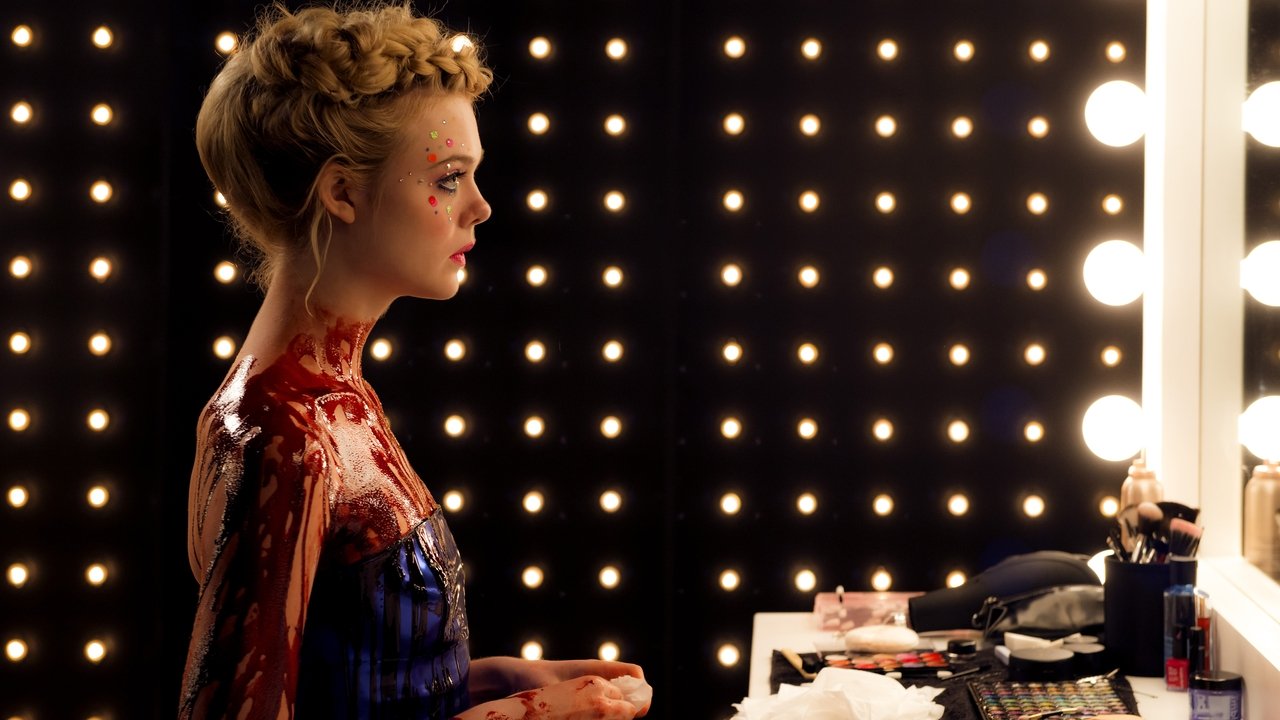
Here's the thing — Refn earned those standing ovations before. The Neon Demon left Cannes buzzing too. It hit 58 on Metacritic, grossed just $33 million worldwide against a reported $7 million budget (not the disaster people remember, but hardly a vindication), and quietly disappeared from cultural conversation. History doesn't repeat, but it definitely rhymes.
What Her Private Hell Actually Is — Cast, Plot, and Why the Premise Matters
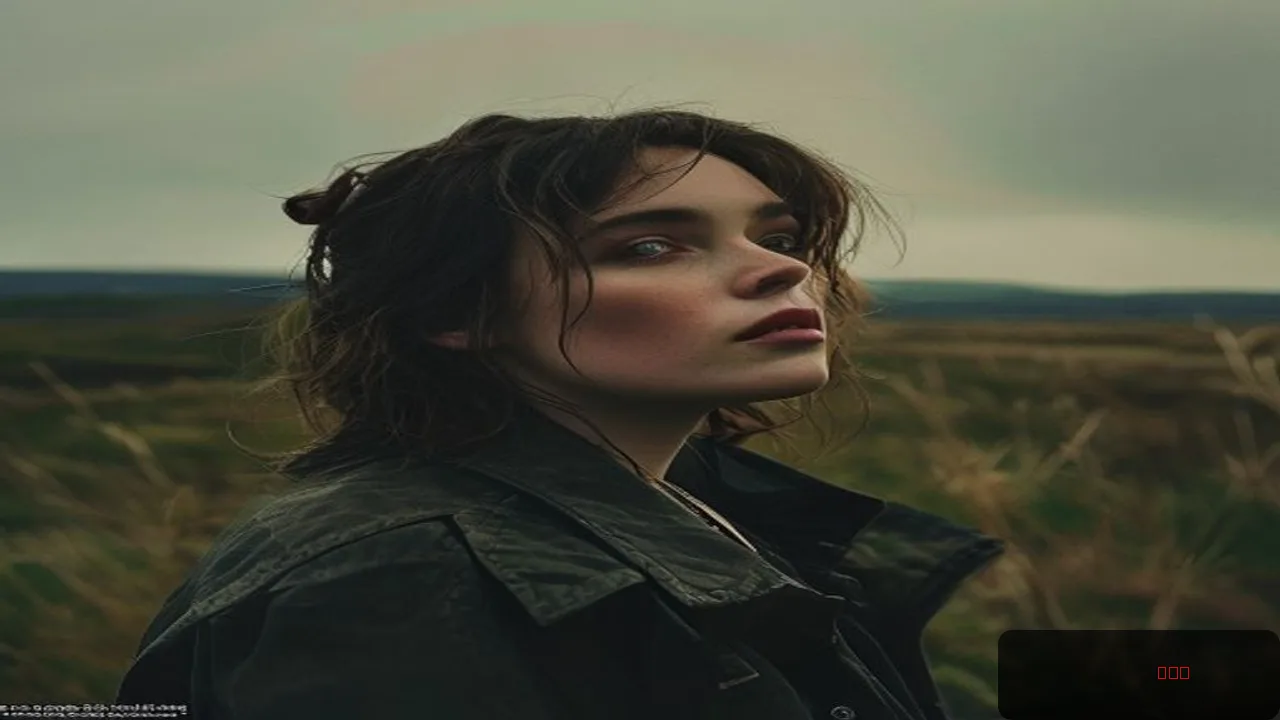
The film stars Sophie Thatcher (breakout from Yellowjackets and last year's Heretic) as Elle, a movie star whose psychological stability collapses when her best friend marries her father. Alongside Thatcher, the cast includes Charles Melton (May December), Kristine Froseth (The Society), Havana Rose Liu (Bottoms), and Diego Calva (Babylon).
But here's where it gets weird—which is the whole point. The film weaves together Elle's spiral with a serial killer called The Leather Man who hunts young women, plus a soldier searching for his missing daughter. The setting is a future version of Tokyo, but Refn shot almost entirely on green screens and studio sets in Copenhagen. Runtime sits around two hours, though the final cut hasn't been locked yet.
No distributor has been announced. That's actually the story worth tracking right now.
Why Refn's Style Is Either Genius or Unwatchable — There's Rarely a Middle Ground
Refn doesn't explain himself. He never has. Drive (2011) worked because Ryan Gosling's silence felt cool rather than alienating, and the action gave people something to grip. Only God Forgives (2013) pushed so far into visual abstraction that fans of Drive walked out angry. The Neon Demon split the difference: gorgeous, nearly unwatchable if you wanted a plot that made sense.
Her Private Hell sounds positioned closer to The Neon Demon—"operatic yet incredibly still," Thatcher told Variety. The score, by Pino Donaggio (the 84-year-old Italian composer behind Carrie and Dressed to Kill), should give it a haunting, classic-horror texture. That's genuinely compelling on paper.
Most coverage is treating the Cannes ovation as proof of concept, but the more honest read is that Refn's maximalist-minimalism has always played better inside a festival hall than it does on a laptop at 11 p.m. on a Tuesday. The ceiling for this kind of filmmaking with streaming viewers is real and low. Click off inside 20 minutes if there's no foothold? That's how people watch now. Cannes audiences sit still for two hours of abstraction. Netflix users don't.
Ten Years, One Near-Death Experience, and Sophie Thatcher's Self-Tape Gamble
Refn's decade away wasn't mysterious if you'd followed his work. After The Neon Demon, he pivoted to television—Amazon's Too Old to Die Young (2019), which was visually stunning and commercially invisible. Then came what Variety reported this week: Refn suffered a cardiac emergency caused by a leaking heart valve. He was clinically dead for 25 minutes. When surgeons revived him, something shifted.
Thatcher was 25 when filming began. She grew up watching Refn's Pusher trilogy and Drive—her older brother apparently had taste. When word circulated that Refn was auditioning for a female lead, she sent a self-tape with genuine certainty. "I kind of knew," she told Variety. "Sometimes I just go in confident and know that it has to happen and I'll do whatever it takes."
What's striking is how Refn disclosed his near-death experience at their first meeting. Not after they'd worked together. Not as an anecdote. Immediately. That vulnerability cemented something before a single frame was shot. The two discovered a shared obsession with Donaggio's soundtracks, and that conversation directly led to hiring the composer (Refn apparently had to look up whether Donaggio was still alive).
Over three months in Copenhagen, Thatcher describes a process closer to sustained improvisation than conventional filmmaking. Scenes rewritten daily based on Refn's dreams. Blocking adjusted in real time. Actors shown monitor playback so they could calibrate their physical presence within each frame. That's not how most films get made—and it's exhausting for perfectionists like Thatcher, who was sleeping three hours a night while simultaneously taking days off from Yellowjackets to attend Cannes.
What Thatcher Says About a Film She Can't Explain
When interviewers asked her what the film is about, she got stumped. Then she added something more revealing: "I also think that's not my job to explain it. Like, it's so open, which people are really not used to at all."
That's a defensible position for an actress protecting an auteur film. It's also exactly what you'd say if you weren't entirely sure the plot held together under close interrogation.
The more useful quote came when she described the creative chaos: "It felt like slow improv because we would be changing the scenes every day, and rewriting them in the morning based upon dreams he'd had," she told Variety. "It was scary because I'm such a perfectionist—I like knowing what to expect, I like knowing the future. I get scared a lot, and this film helped me overcome that."
That's real. That's the actual value of the project for her—not whether the plot makes sense, but whether it changed how she works.
Where to Watch Her Private Hell — Distribution Status and Streaming Reality
Here's the honest part: No Indian streaming platform has acquired rights yet. No theatrical release date for India has been announced. Refn's back catalogue offers some precedent—Drive is currently on Netflix India, while The Neon Demon has bounced between platforms and is harder to track down.
Current picture for Indian audiences:
- Netflix India: Drive available; Her Private Hell unconfirmed
- Amazon Prime Video India: No announcement
- Disney+ Hotstar: Unlikely given the film's content
- JioCinema / SonyLIV: No reports of interest
- Zee5: No announcement
The film's R-rated content—violence, stylized imagery, adult themes—means it won't land on family-oriented platforms. Netflix India or Prime Video are realistic shots. A theatrical release through PVR Pictures or Mubi India (which has backed arthouse releases) is equally plausible.
Movie OTT's streaming tracker will update as deals are confirmed across South Asia. The audience in India will be concentrated: festival followers, Refn devotees who remember Drive's cult run, and the growing group of viewers who've made arthouse streaming a real habit. Mass audiences? Probably not.
The Awards Math and Distribution Timeline
Her Private Hell premiered out of competition, meaning it wasn't eligible for the Palme d'Or—a choice that probably reflects Refn's commercial instincts. Out-of-competition premieres at Cannes attract buyers, and a seven-minute ovation is useful marketing collateral regardless of critical consensus.
Awards season is tricky. Thatcher's performance is generating genuine buzz, but a deliberately opaque film will struggle to break through unless a major distributor decides to push it hard. A24, Mubi, or Neon all seem like natural fits based on their track records.
Look for a distribution announcement within four to six weeks. A fall 2026 theatrical window (September-October) seems realistic, with streaming availability six to eight months after that. Variety's awards coverage and Refn's social channels are where the first confirmed deal will break.
Sophie Thatcher's Real Career Gamble — and What It Means
Thatcher has now said publicly she wants to work with more European directors and name-dropped Wim Wenders unprompted. "He was here a couple days ago and I'm like, hit me up bro!" she told Variety. That's not the calculation of someone playing it safe.
What I keep coming back to is that she's not just chasing prestige—she's chasing process. She explicitly said the film helped her overcome her perfectionism. That's not a box-office strategy. That's a genuine admission that working with Refn changed how she thinks about her craft. Whether Her Private Hell actually works is secondary to whether Thatcher learned something that'll shape her next five films.
Should you watch it? Yes—if you can find it, and if you sat through The Neon Demon or Only God Forgives without regretting it. If your Refn exposure starts and ends with Drive, recalibrate your expectations. This is weirder, slower, and more committed to making you do the interpretive work yourself.
We'll see if the audience shows up. We'll see if the distribution deal reflects the Cannes excitement or the commercial reality of arthouse horror in 2026. Movie OTT will have confirmed streaming availability the moment the rights are locked.