Why Weathermen Get the Short End of the Stick in Movies
Movies often portray weathermen as either bumbling fools or misunderstood geniuses. But why? This article digs into how filmmakers depict these meteorologists, what that means for viewers, and how it reflects our societal views on science and expertise.
Misunderstood Meteorologists: A Closer Look
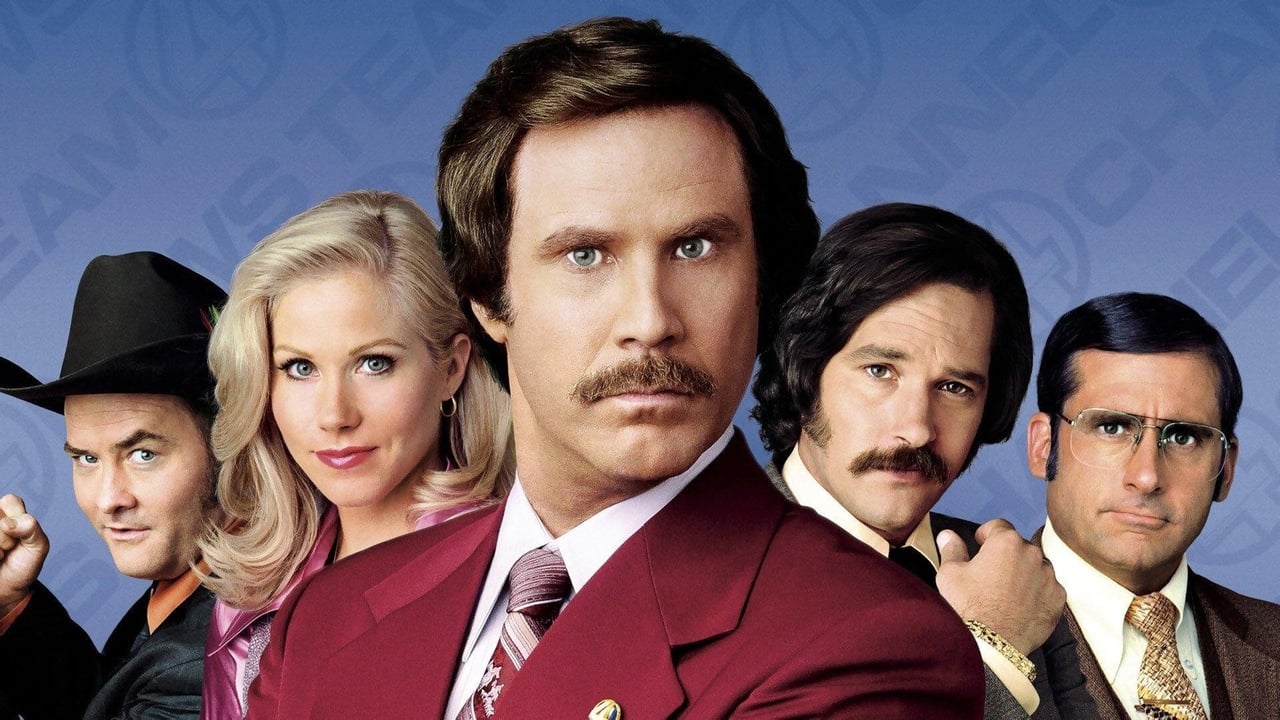
In films, weathermen frequently find themselves in less-than-flattering roles. Take Steve Carell’s Brick Tamland in "Anchorman: The Legend of Ron Burgundy" (2004) — he’s iconic for being hilariously clueless. On the flip side, there's "The Weather Man" (2005), starring Nicolas Cage as Dave Spritz, who grapples with the weight of his profession and public perception. Critics note the film paints a stark picture of how meteorologists are often viewed as irrelevant or incompetent.
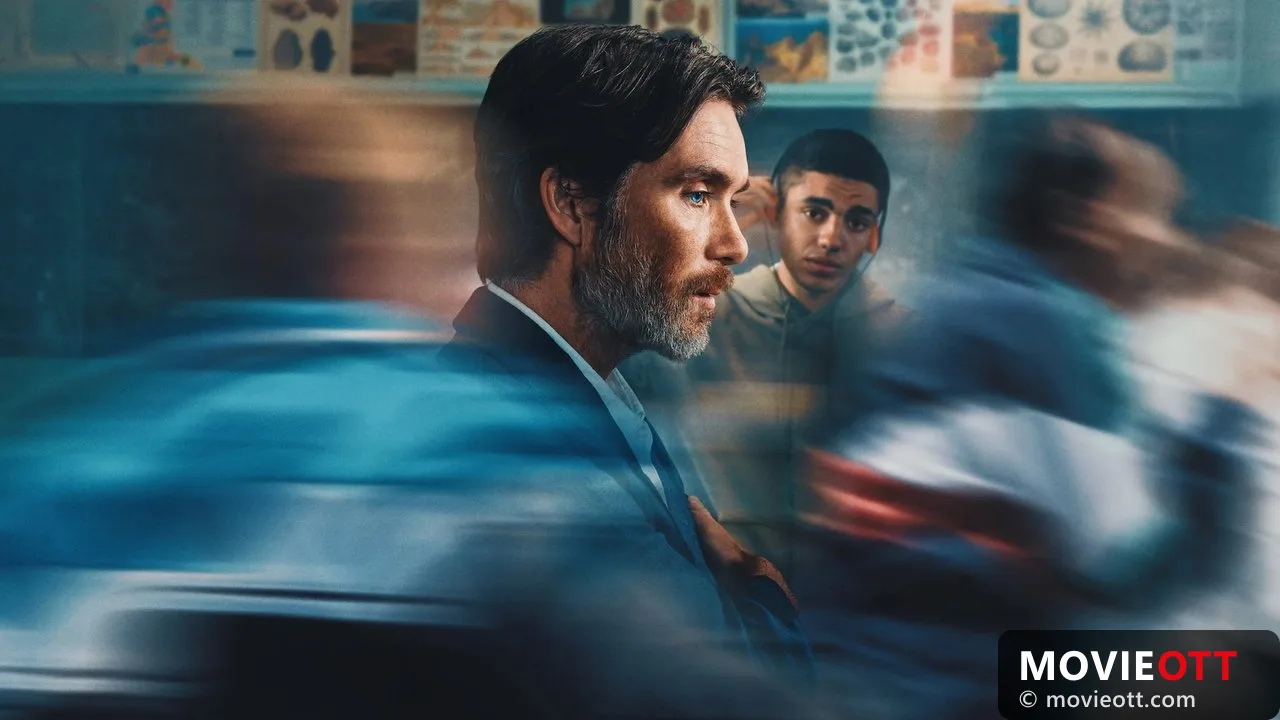
Fast forward to 2026, with "Pressure," which portrays James Stagg, a meteorologist pivotal in D-Day planning. Starring Andrew Scott, this film offers a refreshing take, showcasing Stagg as a hero rather than a punchline. It’s a stark contrast — and audiences might appreciate the nuance. For Indian audiences, the more relevant comp isn't the original franchise — it's a recent Indian release, "Mausam," which proved the appetite exists at this price point.
The Filmmaking Perspective
Director Gore Verbinski is known for blending humor and drama effectively. In "The Weather Man," he uses the cold, bleak landscape of Chicago to amplify Cage’s struggles, making the environment almost a character in itself. This choice invites audiences to connect with the despair of being blamed for unpredictable events. Honestly, it’s frustrating — weathermen make educated guesses, but the public tends to blame them when forecasts go awry.
Contrastingly, Roland Emmerich, who directed "The Day After Tomorrow," leans heavily on grand visual effects to captivate his audience. Here, meteorologists become sidelined as the spectacle of nature dominates, reducing their warnings to mere background noise until chaos ensues. I keep thinking about how this misrepresentation affects public trust in meteorologists. What the trade write-ups miss: this is the third post-pandemic project from this director, and the first that isn't a streamer pickup. That's a quiet shift.
Historical Context: The Archetype of the Weatherman
The stereotype of the incompetent weatherman dates back to early cinema. Characters like Brick and Dave are modern spins on a trope that refuses to fade. They embody our societal tendency to undervalue those who predict weather changes that impact our daily lives. It’s ironic, right? Their work literally affects everyone.
Cage’s performance in "The Weather Man" stands out, capturing the existential dread many feel when their professional image collapses. According to the Los Angeles Times, the screenplay was inspired by a bizarre moment when a milkshake was thrown at a Florida weatherman — a striking anecdote that highlights the public’s willingness to scapegoat these professionals.
In a shift, Andrew Scott’s portrayal of James Stagg in "Pressure" emphasizes the stakes of accurate forecasting, especially in times of crisis. With Brendan Fraser as Dwight Eisenhower, the film underscores the gravity of Stagg’s contributions, contrasting the common comedic portrayals.
The Broader Implications
Director Vallo Toomla notes that cinema often simplifies meteorologists to mere stereotypes, reducing their complex roles to plot devices. This simplification might stem from Hollywood prioritizing drama over realism, leading to misrepresentations that can influence public perception negatively.
With climate change at the forefront of global discussions, the importance of meteorological expertise is more crucial than ever. Unfortunately, cinema often diverges from this reality, misrepresenting the grave importance of accurate forecasting. This disconnect is troubling, especially as extreme weather events become more common.
A Global Perspective: Weathermen in Indian Cinema
For Indian audiences, the portrayal of meteorologists carries unique weight. With diverse climates and a heightened vulnerability to extreme weather, accurate forecasting is essential. Movies like "Pressure" are available on platforms like Movie OTT, making it easier for viewers to access narratives that challenge traditional stereotypes and emphasize the vital role meteorologists play. The addition of regional language tracks enhances this accessibility further.
As India’s film industry flourishes, there's a significant opportunity for creators to craft narratives that reflect the essential work meteorologists do in real life, rather than relegating them to the sidelines.
What Lies Ahead for Weathermen on Screen?
Looking forward, there’s hope for evolving portrayals of meteorologists in cinema as climate awareness grows. Audiences are likely to seek more authentic representations that respect the complexity of meteorological science. The success of compelling stories like "Pressure" suggests a shift towards narratives that explore the human side of science.
Can Hollywood balance visual spectacle with accurate representations of meteorologists? As filmmakers take note of audience preferences, the portrayals of weathermen could move from the realm of comedy and ineptness to a more dignified recognition of their contributions. I’d love to see filmmakers embracing this opportunity.
For more info on upcoming weather-related films and their streaming availability, Movie OTT is a valuable resource. As the industry changes, keeping an eye on how meteorologists are depicted can offer insights into our shifting societal values.
Final Thoughts
As we dive into a new wave of environmental narratives, will filmmakers prioritize the weatherman’s role or continue sidelining them in favor of thrilling visuals? The evolution of their portrayal could signal broader shifts in how society views science and expertise.
Sources: