Franchise muscle dominated May 2026's theatrical window, but the month's most revealing story is how ruthlessly ROI separates genuine commercial success from raw revenue size. The Twilight Saga: New Moon led all titles at $710 million against a $50 million production budget — a 14.2x return that reflects both the franchise's built-in fandom and the relatively lean cost discipline that defined early-2010s YA adaptations. The Mummy Returns followed at $443 million, though its $98 million budget compressed returns to a more modest 4.5x, a reminder that sequel budgets tend to bloat faster than sequel audiences grow.
The first pattern worth examining is how decisively original IP outperformed expectations in the mid-tier. Bridesmaids reached $288 million on a $33 million budget — an 8.9x return that trails only New Moon among this month's titles — while The Truman Show pulled $264 million against $60 million. Neither film carries franchise infrastructure, no cinematic universe, no pre-sold IP, yet both cleared a quarter-billion dollars. Bridesmaids in particular demonstrated that R-rated ensemble comedy, a format studios have repeatedly written off, retains genuine theatrical draw when the material is strong enough.
The second pattern is more uncomfortable: the month's only 2026 original production, Crime 101 directed by Bart Layton, is also the month's only outright financial loss. At $73 million against a $90 million budget, it returned just 0.8x — the sole title tracked across our box-office indices to finish in negative territory. That result stings more given Layton's critical reputation, and it raises a reasonable question about whether a $90 million budget was ever the right instrument for what appears to be a mid-range crime thriller. The rating of 6.9 suggests audiences who found it were reasonably satisfied; the problem was volume, not reception.
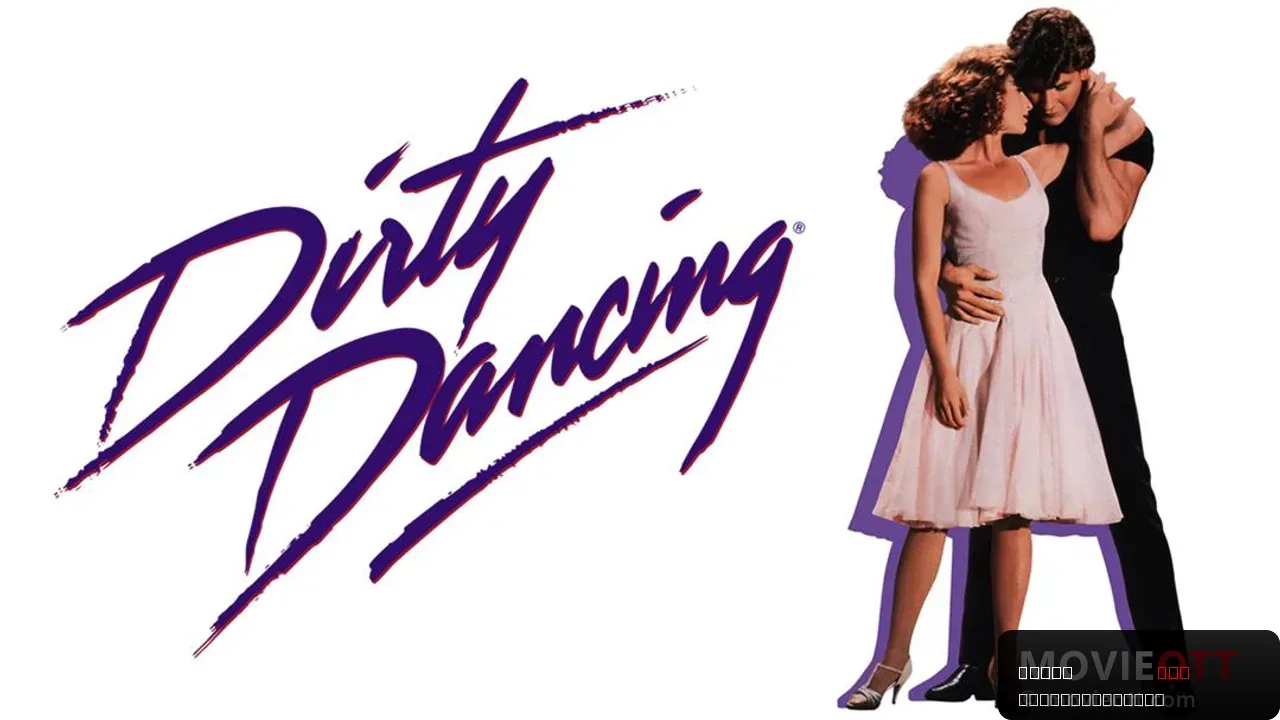
Dirty Dancing is the ROI standout of the entire dataset, and it isn't close. A $6 million production returning $215 million is a 35.8x multiple that no studio greenlight process would have predicted in 1987, and that figure now reads as a case study in how cultural longevity compounds theatrical value across re-release cycles. Fight Club presents the inverse argument: $101 million on a $63 million budget is a 1.6x return that, at the time of its original release, was considered a commercial disappointment despite a rating of 8.7 — the highest audience score in this month's top ten.
The SpongeBob Movie: Search for SquarePants is the franchise entry that delivered the least relative to its cost, earning $163 million on a $64 million budget for a 2.5x return. Animated IP with this level of brand recognition typically clears that bar more comfortably. Whether the 2025 production date created audience fatigue within a crowded SpongeBob release cycle or whether the theatrical window was simply too short to accumulate, the underperformance relative to budget is notable. Sicario, by contrast, turned $85 million on $30 million — a quiet 2.8x result that reflects the consistent ceiling, and floor, of prestige mid-budget action.
Data sourced from TMDB worldwide box-office records. Updated weekly. Generated 2026-05-11.