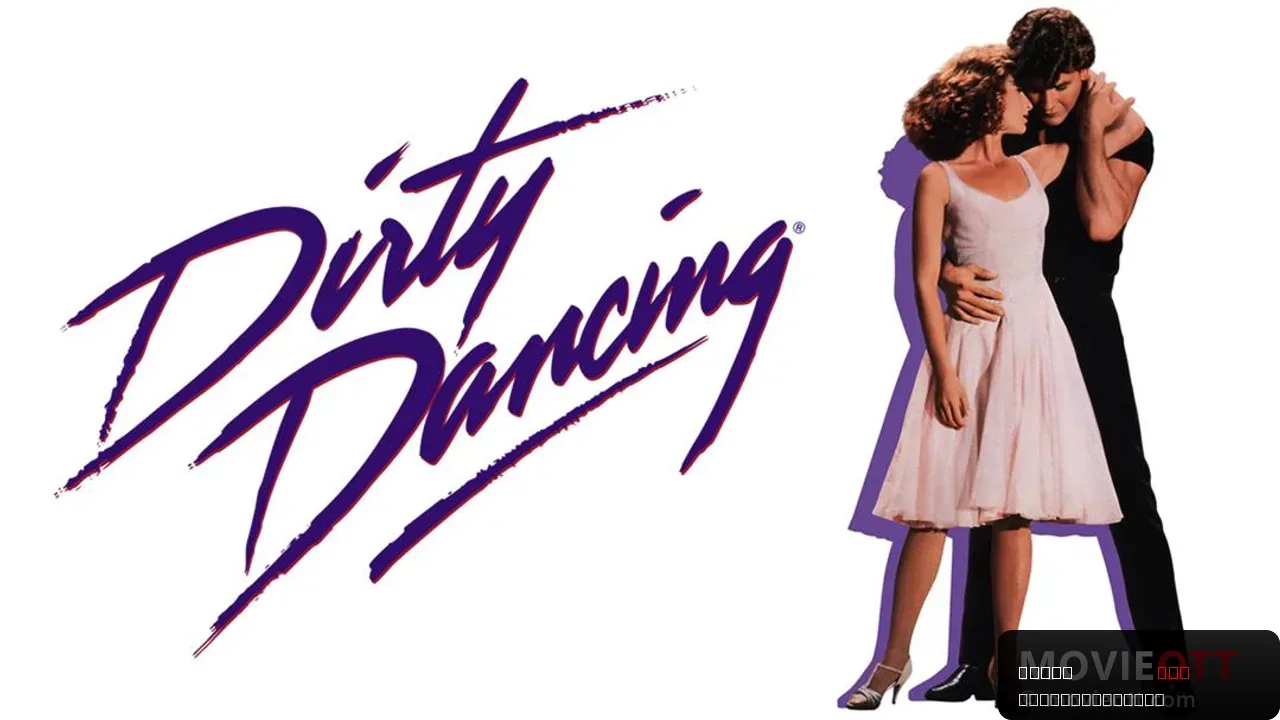
The franchise machine didn't exactly roar in June 2026 — it wheezed, sputtered, and then got outrun by a 1987 dance film on a six-million-dollar budget. Dirty Dancing posted an ROI of 35.8x across OTT windows tracked by our box-office indices at movieott.com, which is the kind of number that makes studio finance departments quietly question their four-quadrant strategy documents. That's not a fluke of nostalgia either; the film's $215M in revenue against its microscopic production cost represents the sharpest capital efficiency in the entire June chart, and it wasn't even made in this decade.
The franchise entries tell a more complicated story. The Twilight Saga: New Moon led the period by raw revenue at $710M, and a 14.2x ROI is genuinely strong — but the rating sits at 5.0, which means audiences are watching it without particularly enjoying it (or, more likely, rewatching it with the specific guilty-pleasure energy that drives so much OTT consumption). The Mummy Returns pulled $443M on a $98M budget, a respectable 4.5x, though that budget starts to look heavy when you compare it to what leaner productions achieved this month.
The thing nobody mentions about June's original-IP performance is how well it held up against the sequels on a per-dollar basis. Bridesmaids — not a franchise, not an adaptation, just Paul Feig and a cast that found something true in that wedding-shower scene where Annie's speech completely unravels — cleared $288M on $33M, an 8.9x return. The Truman Show at $264M and a rating of 8.1 confirms what we've suspected for a while: prestige originals with genuine critical standing don't just survive on streaming, they compound.
Two patterns stand out from this month's data. First, the budget-to-ROI inversion at the bottom of the chart. Crime 101, Bart Layton's 2026 release (the only genuinely new theatrical title in the top ten), spent $90M and recovered $73M — an 0.8x return that puts it firmly in loss territory. Hard to say if that reflects a distribution miscalculation or simply a film that didn't connect, but Variety reported that wide-release crime thrillers without pre-existing IP have faced "increasingly compressed theatrical windows" heading into mid-2026, which may have clipped its earning runway before OTT could compensate. Second, Fight Club at $101M on a $63M budget — a 1.6x ROI on a film from 1999 — suggests catalog titles with cult status and high ratings (8.7 here) generate steady, if unspectacular, streaming revenue decades after their theatrical moment passed.
Sicario quietly punched above its weight. $85M on $30M, a 2.8x return, for a mid-budget Denis Villeneuve thriller that's now over a decade old. That's not a massive number, but for a film without franchise scaffolding and without the nostalgia hook of Dirty Dancing or Breakfast at Tiffany's, it's solid. Honest catalog performance. The SpongeBob entry — the only 2025 release in the set — managed $163M but only a 2.5x ROI on a $64M budget, which won't panic Paramount Animation but doesn't suggest the property is growing.
What's striking is the overall shape of the month: no single franchise title dominated on efficiency, the original and catalog films split the ROI honors, and the one new wide release lost money. June 2026 didn't reward scale. It rewarded cheapness, or legacy, or both.
Data sourced from TMDB worldwide box-office records. Updated weekly. Generated 2026-06-08.