Telugu cinema's grip on OTT revenue hasn't loosened. Pushpa 2 — The Rule sits at $219M, more than $78M clear of its nearest competitor, and Kalki 2898-AD adds another $141M to make the language's combined haul from just those two titles dwarf what most entire regional industries managed across the full period tracked across our box-office indices at movieott.com. Telugu is, plainly, the commercial leader right now — not because of volume of titles but because of the scale each marquee release commands on the global streaming market.
That said, the Telugu story isn't uniformly triumphant. Game Changer pulled in only $22M against a $47M budget (0.5x ROI), The Rajasaab returned $21M on a $50M spend, and Guntur Kaaram barely broke even. What's striking is how sharply the industry splits between its top two or three properties and everything else — it's almost two separate industries operating under the same language banner, one printing money and one quietly bleeding it. The budget discipline that should follow a string of expensive misfires doesn't seem to have arrived yet, which is a pattern worth watching into the second half of 2026.
Kannada's Kantara: Chapter 1 is the genuine surprise here. Sixty-five percent ROI on a $14M budget, $91M in revenue — that's not a modest overperformance, that's a film punching several weight classes above its production tier. The original Kantara (the 2022 Rishab Shetty film, with its now-famous Kambala sequence that sent the internet into a frenzy) built the franchise's mythology, and the sequel has clearly converted that goodwill into streaming dollars. Kannada doesn't have the release cadence of Telugu or Tamil, but when it connects, it connects hard.
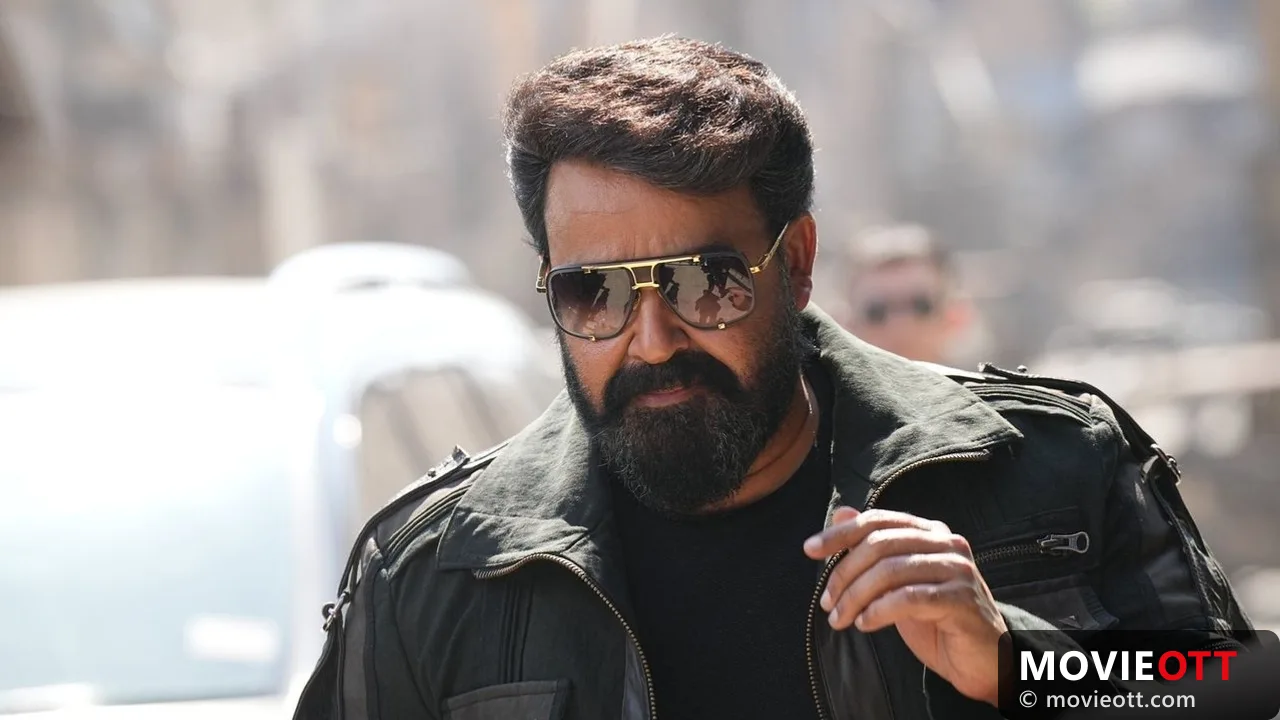
Malayalam, for its part, is running an entirely different playbook. Lokah Chapter 1: Chandra cost $3M and returned $34M — a 10.1x ROI that no other film in this dataset touches. L2: Empuraan, the Mohanlal-led sequel that Variety reported attracted significant pre-release buzz in Gulf markets, added $31M more. The Malayalam industry has always prioritized story density over spectacle (I'd argue that's a structural choice, not a budget constraint), and the OTT window rewards that: subscribers aren't paying for visual effects they can't fully appreciate on a laptop screen, they're paying for scripts that hold up on rewatch.
Tamil's position is the most complicated to read. Amaran is the standout — $39M on a $15M budget, 7.356 rating, the kind of word-of-mouth performer that a mid-budget war biopic can become when the craft is right. But Coolie, Good Bad Ugly, and Vettaiyan all landed below 1.5x ROI, and Vettaiyan actually lost money outright. The thing nobody mentions is that Tamil cinema's star-system economics — where a Rajinikanth or Ajith project commands a $30-40M budget almost by default — don't translate cleanly to OTT, where audience patience for two-and-a-half hours of star vehicle plotting is shorter than in a theater. Hard to say if the industry's producers have fully internalized that yet, but the data from this period suggests the correction is overdue.
Data sourced from TMDB worldwide box-office records. Updated weekly. Generated 2026-06-08.