The month's most striking commercial story belongs not to Hollywood but to a Chinese animated feature. Ne Zha 2 grossed $2.3 billion against an $80 million production budget, producing a 28.2x return that no English-language title in the top 25 comes close to matching. That figure reframes the conventional wisdom that animation requires a Disney-scale spend to reach Disney-scale audiences. The film's performance, tracked across our box-office indices alongside a broader cluster of Chinese-language titles, signals that domestic Chinese demand alone can now sustain global chart dominance — a structural shift rather than a one-off anomaly.
The ROI picture across the rest of the chart rewards closer reading. Demon Slayer: Kimetsu no Yaiba Infinity Castle generated $733 million on a reported $20 million budget, a 36.7x return that is the highest multiplier in the entire dataset. Japanese animation, long undervalued as a theatrical draw outside Asia, is now converting franchise loyalty into genuine worldwide box-office weight. Both Ne Zha 2 and Demon Slayer together represent a clear pattern: non-English-language animation, built on pre-existing IP with fanatical fanbases, is outperforming Hollywood tentpoles on a per-dollar basis by a considerable margin.
The contrast with Avatar: Fire and Ash is instructive. A $1.5 billion gross sounds formidable until the $350 million production budget enters the calculation, leaving a 4.3x ROI that ranks among the weaker returns in the top ten. James Cameron's sequel franchise remains a commercial force, but the cost structure leaves little room for error, and the film's 7.3 audience rating suggests it has not replicated the cultural grip of its predecessors. Mufasa: The Lion King and The Fantastic 4: First Steps tell a similar story — both crossed half a billion dollars yet posted ROI figures of 3.6x and 2.6x respectively, returns that, for studios carrying $200 million production lines, represent modest wins at best.
The catalogue titles embedded in this month's data deserve separate attention. Top Gun: Maverick, a 2022 release, is still registering $1.5 billion in cumulative revenue with an 8.8x ROI, sitting fourth on the chart. Inception, from 2010, appears at ninth. Their presence is not a ranking error — it reflects the sustained streaming and rerelease cycles that keep premium catalogue titles commercially active years after theatrical windows close. For studios evaluating long-tail value, those two films make a more persuasive argument than almost anything else on the list.
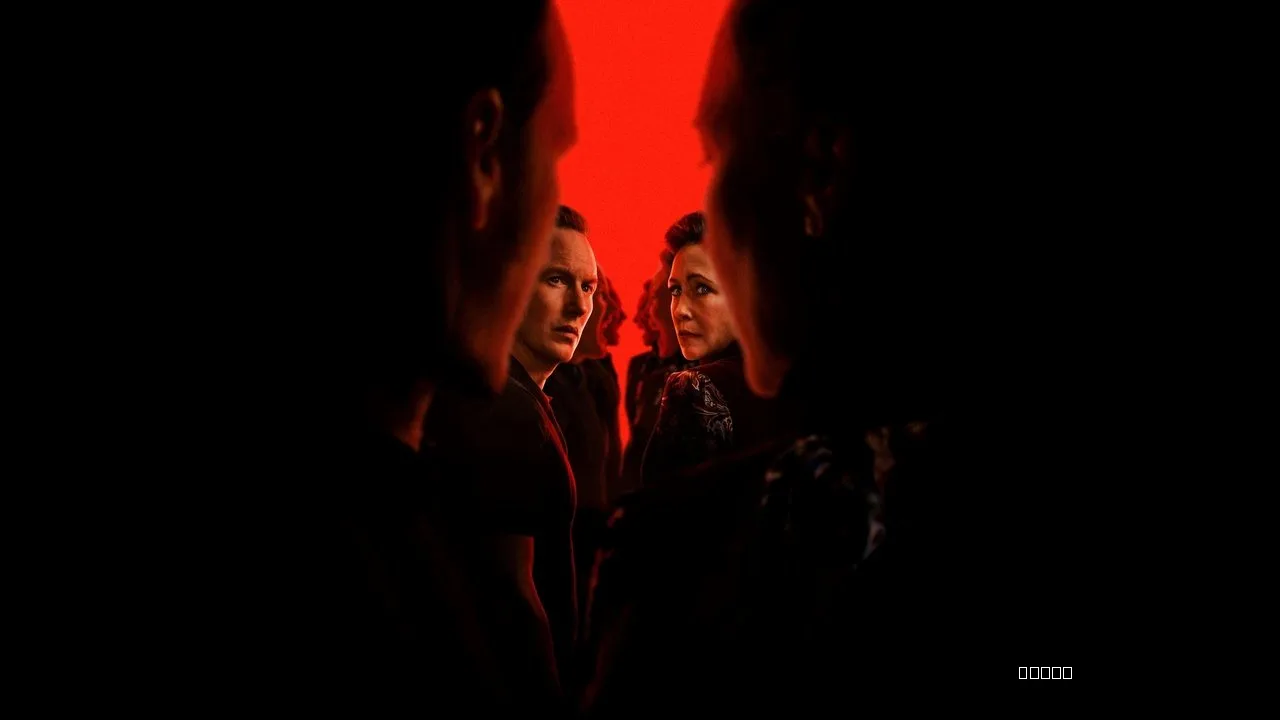
The second clear pattern in the data is the quiet efficiency of mid-budget genre films. Lilo and Stitch: A Heartwarming Family Adventure cost $100 million and returned 10.4x. The Conjuring: Last Rites spent $55 million and cleared $499 million, a 9.1x return. Neither film required a franchise relaunch or a prestige marketing campaign to perform. Project Hail Mary, by contrast, carried a $200 million budget and produced only a 3.2x return despite an 8.4 audience rating — a reminder that critical goodwill and audience enthusiasm do not automatically translate into proportional commercial recovery when the cost base is set too high. The month's data, taken as a whole, argues for budget discipline as clearly as it argues for any particular genre or territory.
Data sourced from TMDB worldwide box-office records. Updated weekly. Generated 2026-05-11.