The headline number this period belongs to Ne Zha 2, which crossed $2.3 billion on an $80 million budget — a 28.2x return that no Hollywood studio came close to matching. That's not a rounding error. The original Ne Zha (2019) already proved Chinese animation could carry domestic blockbuster weight, but the sequel's performance suggests something more durable is happening in Mandarin-language cinema: audiences aren't just showing up out of novelty, they're returning for franchise loyalty the way Western markets once did for Marvel. Three other Chinese-language titles — The Wandering Earth II ($665M), Pegasus 3 ($649M), and Yolo ($434M) — all cleared the top 25 tracked across our box-office indices at movieott.com, which is a regional concentration that would've seemed improbable five years ago.
The ROI story, though, belongs to Demon Slayer: Kimetsu no Yaiba Infinity Castle. A $20 million production budget against $733 million in revenue works out to 36.7x — the strongest multiplier in the entire dataset, and one that Hollywood's tentpole math simply can't replicate when you're spending $200–$350 million before a single frame is screened. Anime theatrical has been building toward this kind of ceiling since Demon Slayer: Mugen Train broke Japanese box-office records in 2020; Variety reported that the Infinity Castle arc was the most-anticipated anime release of the decade among Japanese audiences. Hard to say if Western markets drove a meaningful share of that $733M or whether this was still predominantly an Asia-Pacific story, but either way the cost-efficiency is striking.
On the Hollywood side, the budget-to-return picture is uneven. Avatar: Fire and Ash pulled $1.5 billion — impressive in isolation — but at a $350 million production cost (almost certainly north of $500M all-in with marketing), a 4.3x ROI is the kind of number that makes studio CFOs quietly nervous, especially when Top Gun: Maverick is sitting right below it at $1.5 billion on a $170 million budget and an 8.8x return. That comparison is almost unfair to Avatar, but it's the comparison the industry makes. Lilo & Stitch ($1.0B, 10.4x) and The Super Mario Galaxy Movie ($894M, 8.1x) both demonstrate that mid-budget IP adaptations — the $100–$110M range — can outperform their bloated cousins when the brand affinity is strong enough to carry opening weekend without spectacle-driven reshoots.
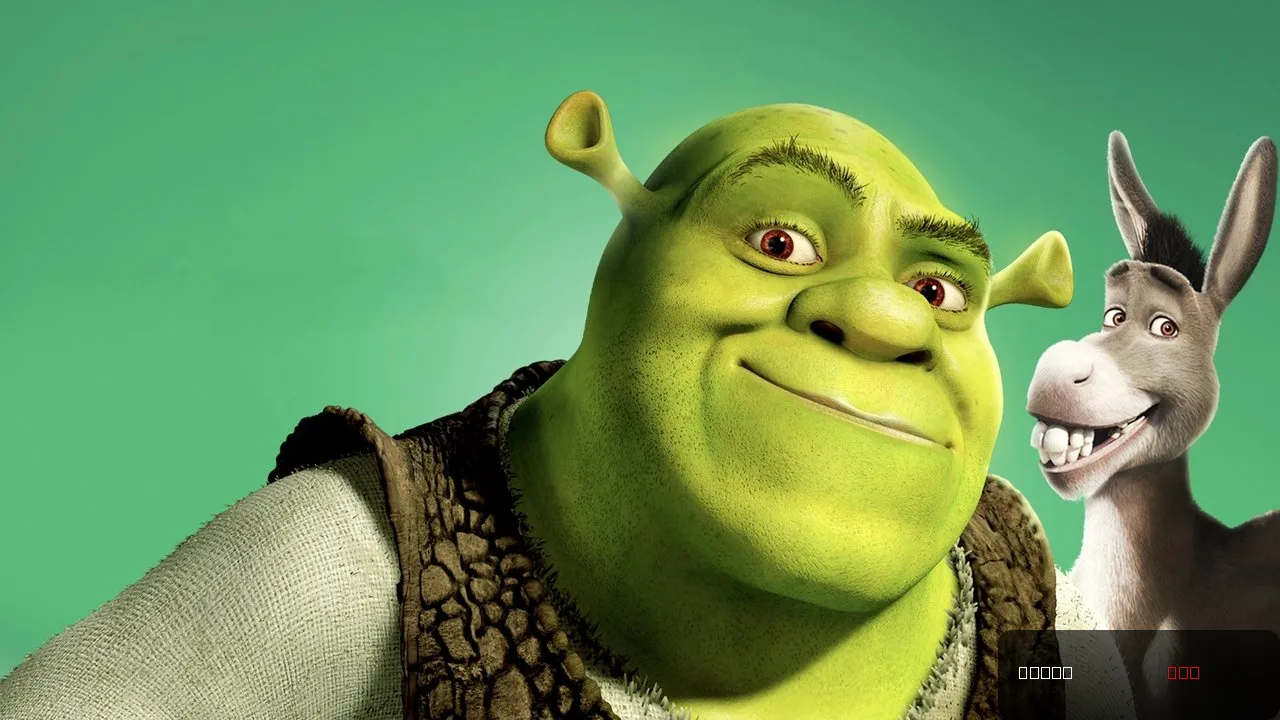
What's striking is how many catalog titles are pulling serious revenue this period. Inception (2010) at $839M, Shrek (2001) at $489M, The Mummy Returns (2001) at $443M — these aren't re-releases in any traditional sense, they're streaming-platform plays that have apparently converted into transactional revenue at scale. The presence of The Twilight Saga: New Moon (a film with a 5.0 audience rating, not exactly a critical darling) at $710M on a $50 million budget suggests that nostalgia-driven consumption doesn't require quality as a prerequisite. Fourteen-times return on a 2009 vampire romance. Nobody predicted that.
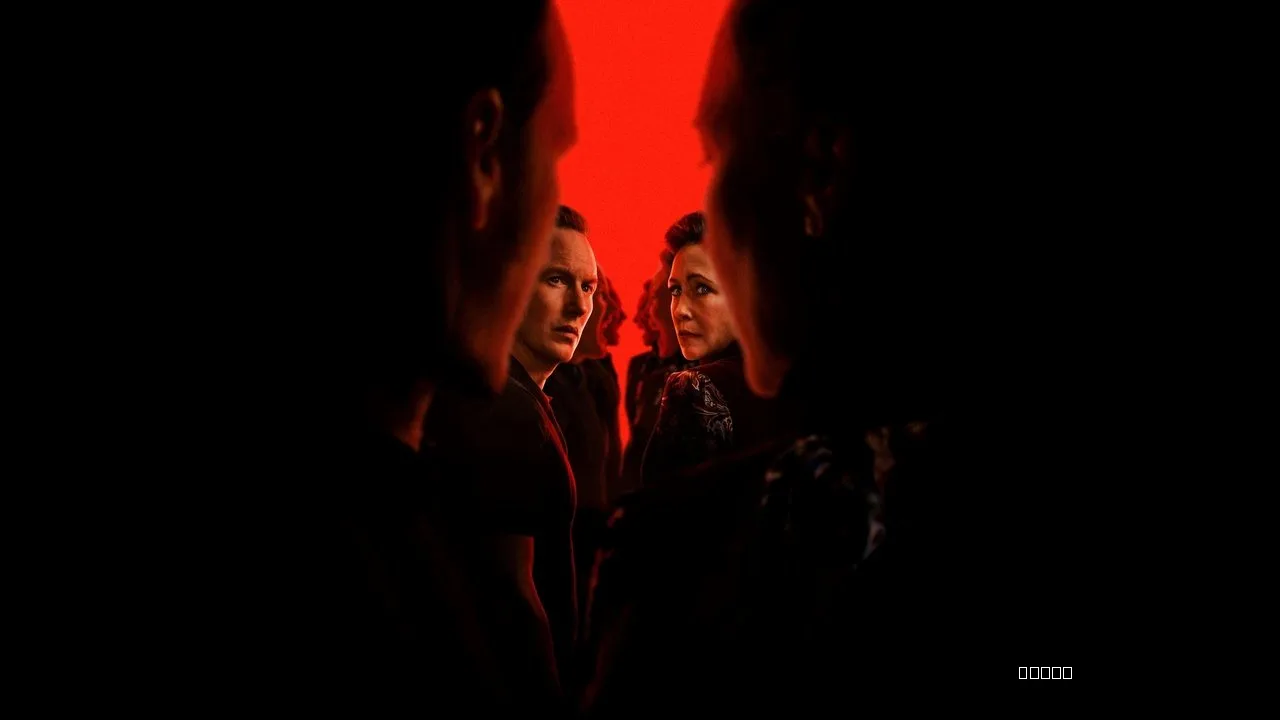
Project Hail Mary ($638M, 3.2x) is the one I keep coming back to. An 8.4 audience rating — highest among new 2026 releases in the dataset — but the weakest ROI of any English-language title above $500M. The film's adaptation of Andy Weir's novel reportedly leaned hard into its single-character survival structure (think the extended silence sequences that defined the first act), which may have limited its commercial ceiling even as it earned genuine critical goodwill. That tension between quality and commercial throughput isn't new, but it's rarely this cleanly illustrated in a single data row. The Conjuring: Last Rites, by contrast, cost $55 million and returned 9.1x — a reminder that horror's low-budget structural advantage doesn't erode no matter how many franchise entries come before it.
Data sourced from TMDB worldwide box-office records. Updated weekly. Generated 2026-05-25.