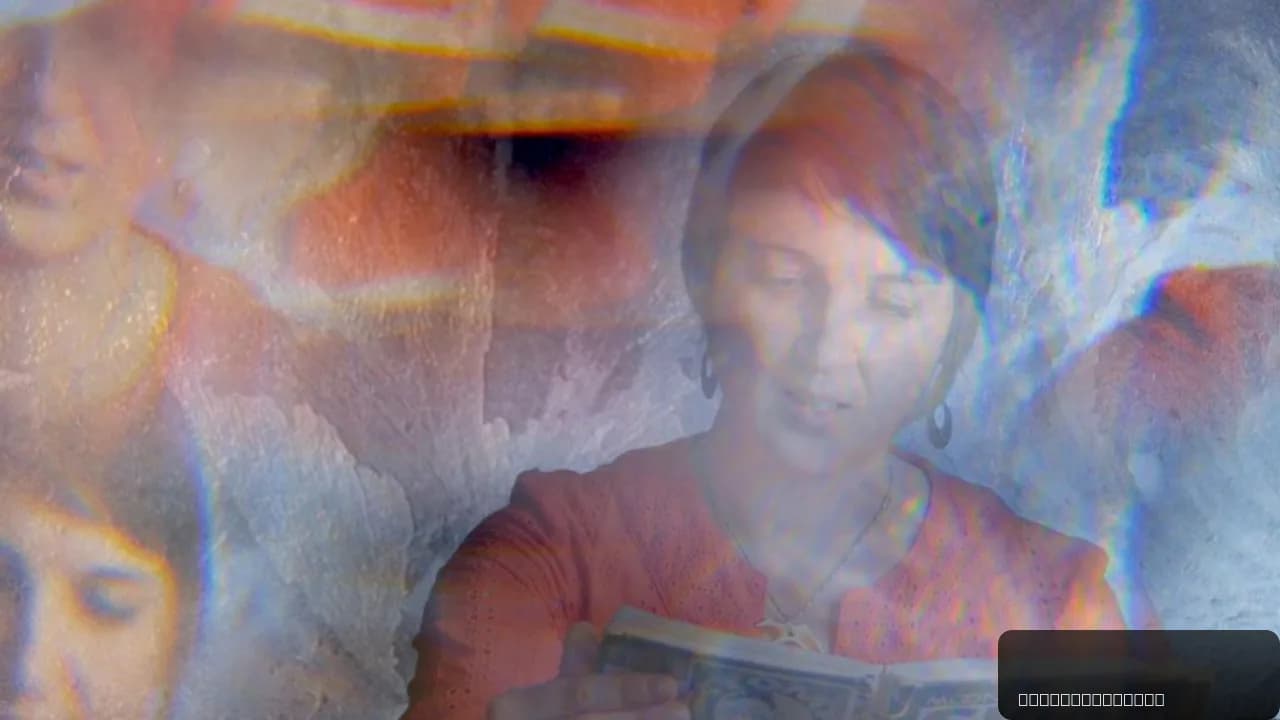
The Story of 1999: Death and Memory in a Small Town
When death haunts a high school in a small Canadian town during the late 1990s, it doesn't just claim one life—it fractures an entire community. Director Samara Grace Chadwick's 1999 is a documentary that circles around this wound without ever quite naming it directly. Instead, she returns to the place she fled as a teenager, armed with diaries, VHS tapes, old photographs, and the kind of dusty boxes that hold the things we can't quite throw away. What emerges isn't a ghost story, though ghosts are palpable at every turn. It's something quieter and more unsettling: a portrait of how a single tragedy can reshape everyone who survives it, leaving marks that don't fade with time.
The film's 93-minute runtime moves through memory like someone walking through an old house, opening doors they're not entirely sure they want to open. Chadwick doesn't impose a narrative arc or attempt to "solve" what happened. Instead, she lets the past speak through fragments—a voice on a cassette tape, a handwritten entry in a journal, the way a street corner still holds its power to hurt. For anyone who's ever returned to a place from their youth and felt that strange vertigo of recognition mixed with distance, the film's approach will feel immediately familiar.
Behind the Making of 1999: A Personal Excavation
Samara Grace Chadwick made 1999 as a co-production between Canada and Switzerland, bringing an international perspective to what is fundamentally a local story. The documentary emerged from Chadwick's own need to process her teenage years—the loss that defined them, and the way communities often struggle to talk about suicide, especially when it involves young people. Rather than conducting interviews in a conventional sense, Chadwick created a space where memory could surface on its own terms. The archival material—those diaries, photographs, and home videos—becomes the film's primary voice, with contemporary footage of the town and its spaces providing a kind of visual anchor.
The film premiered in the documentary circuit and has since found its audience on streaming platforms, though it hasn't achieved mainstream box-office recognition (documentaries about grief rarely do). What's striking is that 1999 doesn't seem interested in that kind of reach. It's a film made for people who need it—for survivors of loss, for those who've lived through collective trauma, for anyone who's ever wondered how a community actually heals, or whether it ever does. On Movie OTT, which tracks current streaming availability across major platforms, the film's presence has grown as more viewers discover its quiet power. The 3.8 IMDb rating reflects a polarized response: some viewers find the film's lack of resolution frustrating, while others see that refusal to provide easy answers as precisely what makes it honest.
What Makes 1999 Stand Out: Absence as Presence
Here's the thing about 1999: it's not trying to be a traditional documentary. There's no narrator explaining what happened, no talking-head experts offering psychological frameworks, no timeline that moves from tragedy to resolution. What you get instead is something that feels more like being inside someone's grief—which is to say, it's messy, circular, and sometimes unbearably quiet. The film trusts its audience to sit with ambiguity, to understand that some questions don't have answers, and that the most important work after loss isn't moving on but learning to live alongside it.
Chadwick's direction shows a real sensitivity to how memory actually works. We don't remember events in order; we remember them in sensory flashes, in the objects that trigger them, in the places where they happened. A school hallway becomes a character. A diary entry read in someone's voice—not the original writer's, but someone else's—takes on new meaning. The VHS footage has that particular quality of home video that makes the past feel both impossibly distant and jarringly present. What's striking is how the film resists the documentary impulse to explain or contextualize. It won't tell you why this happened or what it means. That refusal is actually its greatest strength.
The performances—if we can call the archival voices and contemporary reflections "performances"—carry an emotional weight that feels earned rather than constructed. There's no manipulation here, no swelling music designed to tell you how to feel. Just people trying to remember, and the gaps where memory fails them.
Where to Stream 1999 Online
If you're looking to watch 1999, the film is currently available on Prime Video. Given the documentary's intimate subject matter and its slow-burn approach to storytelling, streaming at home is probably the right way to experience it anyway—you'll want to pause, to sit with what you're watching, maybe to rewind a moment that caught you off guard. The platform's accessibility means you're not locked into a theatrical release window or limited availability. Movie OTT keeps up with where documentaries like this one are streaming, so if your usual platform isn't carrying it yet, check back; these things shift. For now, Prime Video is your destination.
Frequently asked questions
Q: Who directed 1999?
Samara Grace Chadwick directed the film. She's a Canadian filmmaker who returned to her hometown to make this documentary about a tragedy that shaped her teenage years.
Q: What is 1999 about?
The documentary explores how a high school suicide in a small Canadian town during the late 1990s transformed everyone in the community. Chadwick uses archival materials—diaries, photographs, VHS tapes—to examine memory, grief, and how we process collective loss.
Q: How long is 1999?
The film runs 93 minutes, moving through memory and archival material at its own deliberate pace.
Q: Is 1999 based on a true story?
Yes. The film documents a real event from Chadwick's hometown and her own experience of it as a teenager. It's a personal documentary rooted in actual loss and memory.
Q: Why is the IMDb rating so low?
The 3.8 rating reflects a divided audience. Some viewers find the film's refusal to provide narrative resolution or clear answers frustrating. Others see that ambiguity as the film's greatest strength—it doesn't try to "solve" grief or offer false closure.
Final Thoughts on 1999
Watch 1999 if you're prepared for a film that won't comfort you. It won't wrap things up neatly or suggest that time heals all wounds. What it will do is sit with you in the aftermath, in the spaces where loss lives, and remind you that you're not the only one who carries these ghosts. Chadwick's documentary is a quiet act of witnessing—of refusing to let a tragedy become just another story that gets told and forgotten. That's not nothing. That's actually everything.