









The Story of 22 July: A Nation's Reckoning
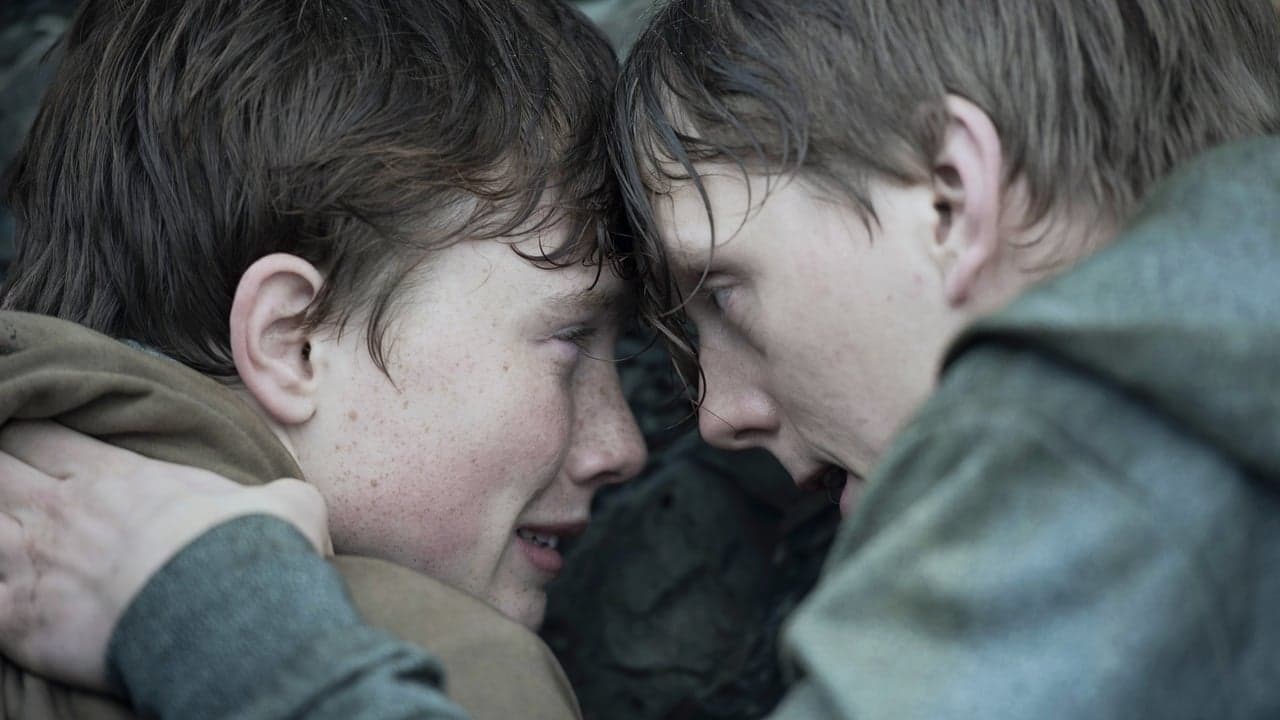
On a summer day that started like any other, Anders Behring Breivik carried out one of Europe's deadliest peacetime attacks. On July 22, 2011, he murdered 77 young people attending a Labour Party Youth Camp on Utøya Island outside Oslo, Norway. 22 July doesn't sensationalize this horror. Instead, British filmmaker Paul Greengrass structures his 2018 film as a three-part meditation: the attack itself, the survivors' struggle to rebuild, and the trial that forced a nation to confront the rising tide of neo-Nazi extremism in its own backyard. What makes Greengrass's approach distinctive is that he refuses to center the perpetrator's ideology or psychology. The camera stays with the living—the traumatized teenagers who escaped the island, the politicians grappling with what happened to their country's children, the defense lawyers tasked with mounting a legal defense for the indefensible.
Behind the Making of 22 July: Production, Cast, and Global Recognition
22 July arrived as a Netflix original film on October 10, 2018, following its world premiere at the Venice International Film Festival earlier that month. Greengrass, known for his visceral approach to real-world tragedy (he'd previously directed United 93 and Captain Phillips), wrote, directed, and produced the film through his partnership with Scott Rudin Productions. The ensemble cast is predominantly Norwegian, grounding the film in authentic regional perspective—Anders Danielsen Lie carries much of the emotional weight as a survivor navigating trauma and recovery, while Jon Øigarden and Thorbjørn Harr bring gravitas to the political and legal dimensions of the story. The film's 143-minute runtime allows Greengrass to resist the urge to rush; he lets scenes breathe, lets grief accumulate. At 7.1 out of 10 on IMDb, the film's reception reflects a common critical tension: audiences respect its restraint while sometimes wishing it punched harder at the ideological rot that enabled Breivik's radicalization. Movie OTT tracks where this title streams across multiple platforms, making it accessible to viewers worldwide who want to engage with this difficult history.
What Makes 22 July Stand Out: Greengrass's Deliberate Craft
What's striking about 22 July is how little it actually shows. The opening attack sequence is fragmented, disorienting—you don't get a clear view of the perpetrator or a coherent chronology. This isn't accident. Greengrass understands that spectacle would betray the story. Instead, he cuts away, lets sound design carry the horror, forces you to sit with the aftermath. The second act pivots to survivors in hospital beds, in therapy sessions, in bedrooms where they can't sleep—the unglamorous, repetitive work of trauma. One scene stands out: a young survivor in physical therapy, struggling to lift his arm, his therapist asking him to try again. It's mundane. It's excruciating. It's the opposite of what most films about tragedy do. The trial sequences don't play as legal thriller either. There's no grandstanding, no dramatic cross-examination. Instead, Greengrass shows the Norwegian justice system's commitment to fairness even in the face of atrocity—a value that feels almost quaint in a world grown accustomed to vengeance narratives. Some viewers, as noted in audience reviews, felt the film didn't go far enough in examining how neo-Nazi ideology spread through European society. That criticism has merit. Yet there's also something to be said for a film that trusts viewers to draw their own conclusions rather than spelling out the political lesson. Movie OTT's streaming availability makes this conversation accessible to international audiences who might otherwise miss it.
Where to Stream 22 July Online
22 July is available on major OTT services, with Netflix being the primary platform where it debuted as an original film. The film's 143-minute runtime means you'll want to set aside a solid block of time—it's not something that works well as background viewing. Check the "Where to Watch" widget at the top of this page for current availability across your region's streaming services, as licensing agreements shift over time. Given the film's subject matter and emotional intensity, it's worth approaching with intention rather than stumbling upon it by accident.
Frequently Asked Questions
Q: Is 22 July based on a true story?
Yes. The film is based on Åsne Seierstad's non-fiction book One of Us: The Story of a Massacre in Norway — and Its Aftermath, which meticulously reconstructs the events of July 22, 2011, and their consequences. Paul Greengrass adapted it for the screen, maintaining historical accuracy while shaping it as a three-part narrative.
Q: Who directed 22 July?
Paul Greengrass directed, wrote, and produced the film. He's known for his work on real-world tragedies like United 93 (2006) and Captain Phillips (2013), bringing a documentary-influenced style to narrative filmmaking.
Q: How long is 22 July?
The film runs 143 minutes (just under two hours and twenty minutes), giving Greengrass space to develop each of his three narrative threads—the attack, the survivors' recovery, and the trial—without rushing.
Q: What's the plot of 22 July?
The film follows the 2011 Norway attacks from multiple perspectives: survivors recovering from physical and psychological wounds, Norwegian political leaders confronting a national trauma, and lawyers navigating the legal system's response to neo-Nazi terrorism. It doesn't focus on the perpetrator's motivation but rather on how a society rebuilds.
Q: Where can I watch 22 July?
The film is available on major streaming platforms—Netflix being the primary distributor. Use the "Where to Watch" widget on this page to check current availability in your region.
Final Thoughts on 22 July
This isn't an easy film to recommend, but it's one worth watching. 22 July refuses to exploit its subject matter for dramatic effect. Instead, it honors the real people affected by asking viewers to sit with their pain, their recovery, their search for justice. In a media landscape that often turns tragedy into spectacle, Greengrass's restraint feels almost radical. Don't expect catharsis. Don't expect neat answers about how extremism spreads or how to stop it. What you'll get instead is something harder and more human: a portrait of resilience, institutional integrity, and the slow, unglamorous work of healing. That's worth your time.