




The Story of 300: Rise of an Empire
300: Rise of an Empire unfolds the naval campaigns that bookend the events of the original 2006 film—a prequel and concurrent narrative rolled into one. Rather than focusing on King Leonidas and his doomed stand at Thermopylae, this film pivots to the Greek navy's desperate resistance against the Persian fleet, centered on the Battle of Artemisium and the decisive Battle of Salamis. Sullivan Stapleton plays Themistocles, an Athenian general tasked with uniting fractious Greek city-states against an overwhelming enemy force. The real antagonist here isn't just Xerxes himself—it's Artemisia, the cunning Persian naval commander played by Eva Green, whose ambitions and personal vendetta drive much of the conflict. What makes this sequel work, when it works, is that it doesn't simply rehash the first film's formula. Instead, it trades hoplites for triremes, ground tactics for naval maneuvering, and explores a different kind of warfare entirely.
Behind the Making of 300: Rise of an Empire
Noam Murro took the director's chair for this sequel, stepping in after Zack Snyder helmed the original. Snyder remained involved as a writer alongside Kurt Johnstad, adapting Frank Miller's graphic novel Xerxes—Miller's follow-up to his Sin City-style take on the Battle of Thermopylae. The film was shot extensively in Bulgaria, a common production hub for large-scale action films seeking cost efficiency without sacrificing scale. The cast assembled was a mix of returning players and fresh faces: Lena Headey, David Wenham, and Rodrigo Santoro reprised their roles from the first film, lending continuity, while Sullivan Stapleton and Eva Green carried the weight of the new narrative. Green's performance, in particular, became a focal point of the production—her Artemisia is theatrical, seductive, and ruthless in ways that demanded a different energy than the stoic warrior ethos of the original.
The film's 102-minute runtime keeps the pacing brisk, though some critics felt that brevity worked against character development. At the box office, 300: Rise of an Empire earned approximately $337 million worldwide, a solid return that justified the production's ambitions even if it didn't quite match the cultural phenomenon status of its predecessor. The R rating remained intact, preserving the visceral violence and blood-soaked aesthetic audiences expected. While major award recognition eluded it—this wasn't the kind of film chasing Oscars—the visual effects and cinematography garnered technical appreciation within the industry.
What Makes 300: Rise of an Empire Stand Out
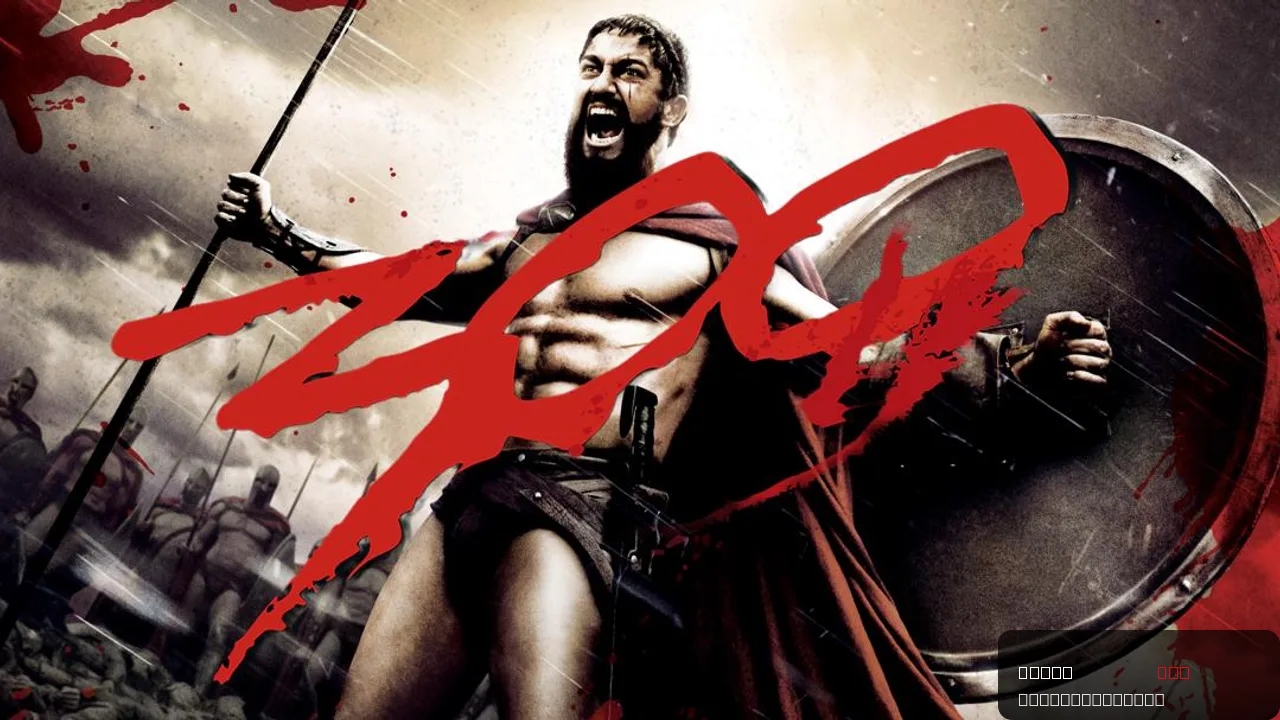
Here's the thing: this movie works best when you stop comparing it to the 2006 original and accept it on its own terms. The naval battle sequences are genuinely impressive—the choreography of trireme-to-trireme combat, the overhead shots of Greek and Persian vessels clashing, the slow-motion gore of arrows finding their marks. Murro and cinematographer Peter Menzies Jr. maintained the stylized, hyper-saturated visual language that defined the first film, meaning you're watching something that feels more like a living graphic novel than a documentary. The color palette—all blacks, golds, and blood reds—creates an atmosphere of mythic inevitability.
What's striking is Eva Green's commitment to Artemisia. She doesn't play the role as a one-dimensional villain; instead, there's a wounded ambition beneath her cruelty, a woman using seduction and strategy where brute force won't suffice. Her scenes crackle with tension in ways that Sullivan Stapleton's Themistocles—solid but less magnetic—sometimes struggles to match. The supporting cast holds its own: Callan Mulvey brings gravitas as a Greek commander, and Jack O'Connell's brief appearances hint at the kind of raw intensity he'd later bring to more substantial roles.
That said, the film doesn't escape criticism. Some viewers found the plot predictable and the character arcs underdeveloped—Stapleton's hero lacks the mythic weight that Gerard Butler brought to Leonidas. The story itself can feel like a retread: outnumbered Greeks must find courage and unity to face an overwhelming Persian force. It's the same thematic beat as the first film, just played on water instead of stone. Critics and audiences on platforms like Movie OTT's community noted that while the battles entertain, the emotional stakes don't always land with the same force. The film sits at 6.1 on IMDb, a respectable but not exceptional score that reflects this split verdict—it's worth watching for the spectacle, but don't expect transcendence.
Where to Stream 300: Rise of an Empire Online
300: Rise of an Empire is currently available on Netflix, making it easy to access if you're already subscribed to that service. The film's visual design—all that stylized gore and slow-motion action—actually benefits from a larger screen, so if you're planning to watch, a TV or monitor will serve you better than a phone. Movie OTT tracks current streaming availability across multiple platforms, so if you're checking availability in your region, the Where to Watch widget at the top of this page will show you exactly where the film is streaming right now. Netflix's catalog shifts regularly, so availability may vary depending on your location and subscription tier.
Frequently Asked Questions
Q: Is 300: Rise of an Empire a sequel or a prequel to the original 300?
It's both. The film takes place before, during, and after the events of the 2006 film, with some scenes happening concurrently with King Leonidas's stand at Thermopylae. It's designed to expand the universe rather than simply continue a linear story.
Q: Who directed 300: Rise of an Empire?
Noam Murro directed the film, with Zack Snyder and Kurt Johnstad writing the screenplay. Snyder, who directed the original 300, stayed involved creatively but handed the director's chair to Murro for this installment.
Q: Is 300: Rise of an Empire based on a true story?
It's loosely inspired by real historical events—the Battle of Artemisium and the Battle of Salamis during the Greco-Persian Wars—but heavily fictionalized. Like the original film, it prioritizes visual spectacle and dramatic storytelling over historical accuracy, so don't expect a documentary approach.
Q: What's the runtime of 300: Rise of an Empire?
300: Rise of an Empire runs 102 minutes, making it a relatively brisk action film that doesn't linger on downtime between battle sequences.
Q: How does Eva Green's performance compare to other actors in the film?
Green's Artemisia is widely regarded as the most compelling character in the film—her blend of seduction, cunning, and wounded ambition gives her scenes a magnetic quality that often outshines the protagonist, Themistocles, played by Sullivan Stapleton.
Final Thoughts on 300: Rise of an Empire
If you're in the mood for stylized historical action without pretense, 300: Rise of an Empire delivers. It won't change your life or redefine the genre—and honestly, it doesn't try to. What it does offer is two hours of visually inventive combat, a villain worth watching, and the kind of mythic scope that makes you forget historical accuracy isn't the point. The film knows what it is: a Frank Miller-inspired fever dream of ancient warfare rendered in blood and slow-motion. That's enough. Whether you're revisiting it or discovering it for the first time on Netflix, it's a worthwhile entry in the sword-and-sandal action canon—just temper expectations and enjoy the spectacle.