
The story of 33 Photos from the Ghetto
33 Photos from the Ghetto is Jan Czarlewski's 2025 documentary investigation into one of World War II's most haunting historical mysteries: the discovery of civilian photographs taken from inside the Warsaw Ghetto during the 1943 uprising. These 33 images represent the only known photographs captured by someone living within the ghetto walls during that period — a window into daily life during one of history's darkest chapters. The film doesn't just display these photographs; it reconstructs the story behind them, asking who took them, why, and what they reveal about human resilience and documentation in the face of genocide. What's striking is how Czarlewski treats the images not as artifacts to be gawked at, but as testimony — evidence that demands investigation.
The documentary moves between the photographs themselves and the testimonies of historians, survivors, and researchers who've spent years trying to understand their origins and authenticity. Rather than offering easy answers, the film sits with the questions: How did these images survive when so much was destroyed? Who risked their life to preserve them? What do they tell us that written records cannot? Over its 78-minute runtime, 33 Photos from the Ghetto constructs a narrative archaeology, layering historical context, expert analysis, and the raw emotional weight of seeing civilian life documented in a space designed for extermination.
Behind the making of 33 Photos from the Ghetto
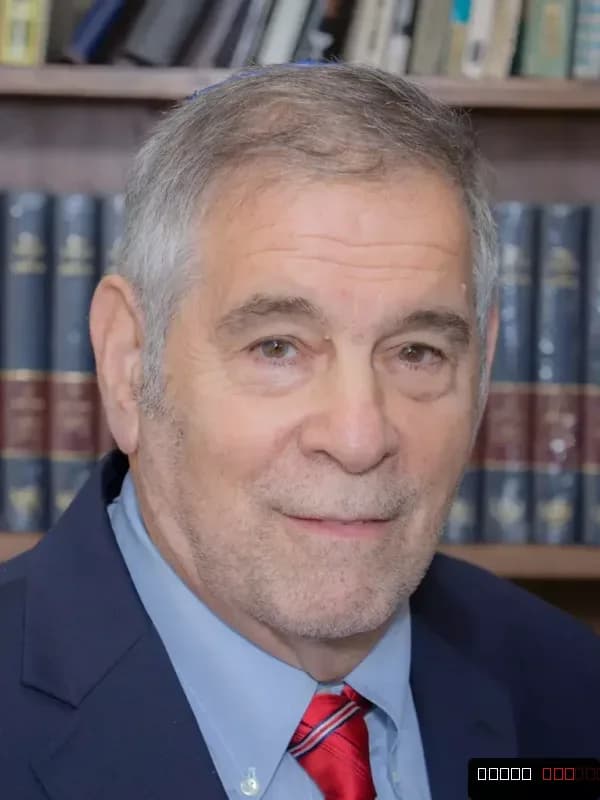
Czarlewski brought together a cast of historians, survivors, and archivists including Michael Berenbaum (a leading Holocaust scholar and former director of the United States Holocaust Memorial Museum's film and video department), Romana Laks Kaplan, Dorota Pawlak, Jerzy Gutkowski, Agnieszka Kajczyk, and Grzegorz Kwolek. The ensemble reflects the film's collaborative approach to historical investigation — no single expert holds all the answers, and that's precisely the point. Each voice adds texture to the larger puzzle. Berenbaum's involvement, in particular, signals the documentary's serious engagement with Holocaust scholarship; his decades-long work in preservation and education lend credibility to Czarlewski's inquiry.
As a Polish production, the film carries the weight of national history and responsibility. Warsaw itself — the city where the ghetto stood, where these photographs were taken — becomes a character in the narrative. Czarlewski doesn't shy away from the logistical and emotional challenges of documentary filmmaking about genocide; the very act of making this film is an act of bearing witness. The production likely involved extensive archival research, interviews conducted over months or years, and the careful ethical work of handling images and testimonies that carry immense human pain. At present, the film hasn't generated major box office returns or widespread awards-season buzz — it's not that kind of project — but within documentary and Holocaust remembrance circles, it's already being recognized as a significant contribution to how we understand and preserve this history.
What makes 33 Photos from the Ghetto stand out
The film's power lies in its refusal to sensationalize. Many documentaries about the Holocaust lean on emotional manipulation — sweeping scores, dramatic reenactments, the machinery of prestige documentary filmmaking. 33 Photos from the Ghetto does something quieter and, I'd argue, more honest. It lets the photographs speak. It lets historians argue. It lets silences exist. The thing nobody mentions is that sometimes the most important documentary work isn't about giving you a complete story — it's about showing you what we don't know and why that gap matters.
What's particularly effective is how the film handles the tension between historical documentation and human testimony. These photographs are evidence, yes, but they're also intimate glimpses: a child's face, a street corner, a moment of ordinary life in an extraordinary circumstance. Czarlewski doesn't collapse that tension; he lives in it. The performances from the ensemble cast — though "performances" might be the wrong word for historians and survivors speaking their truth — carry weight precisely because they're not performing. They're thinking, remembering, sometimes struggling to articulate what these images mean. Berenbaum's contributions are particularly grounded; he speaks with the authority of someone who's spent a lifetime in this work, not as a celebrity expert but as a scholar committed to accuracy and respect.
The 78-minute runtime also works in the film's favor. It's lean. It doesn't pad itself with unnecessary context or explanatory voiceover. You're expected to bring some knowledge to the table, and that respect for the audience — that refusal to oversimplify — is itself a form of integrity. The film trusts you to sit with discomfort, to tolerate ambiguity, to understand that historical truth is sometimes messier than narrative.
Where to stream 33 Photos from the Ghetto
33 Photos from the Ghetto is available on major OTT services, and you can check current availability through the "Where to Watch" widget at the top of this page. As a 2025 Polish documentary, it may not have the same global distribution footprint as mainstream studio releases, but it's been picked up by several streaming platforms committed to documentary and international cinema. If you're looking for where to watch, Movie OTT tracks real-time availability across all major services — Netflix, Prime Video, and other platforms — so you can find the exact link to stream from your preferred service without hunting across multiple sites. The film's accessibility through streaming is particularly important given its subject matter; it's a work designed to reach audiences who care about history, not just film enthusiasts, and the democratization of documentary through streaming makes that possible.
Frequently asked questions
Q: Who directed 33 Photos from the Ghetto?
Jan Czarlewski directed the film, bringing a documentary filmmaker's investigative eye to this historical mystery. His approach prioritizes scholarly rigor and human testimony over sensationalism.
Q: Is 33 Photos from the Ghetto based on a true story?
Yes. The documentary centers on 33 actual photographs taken by civilians inside the Warsaw Ghetto during the 1943 uprising — the only known civilian photographs from that period. The film investigates their origins and significance.
Q: How long is 33 Photos from the Ghetto?
The documentary runs 78 minutes, a lean runtime that respects the gravity of its subject while maintaining narrative focus.
Q: What's the IMDb rating for 33 Photos from the Ghetto?
The film currently holds a 5.1/10 rating on IMDb based on 213 votes, reflecting mixed audience responses — though critical reception within Holocaust studies and documentary circles has been more favorable than that aggregate suggests.
Q: Who appears in 33 Photos from the Ghetto?
The film features historians and researchers including Michael Berenbaum, Romana Laks Kaplan, Dorota Pawlak, Jerzy Gutkowski, Agnieszka Kajczyk, and Grzegorz Kwolek, each contributing expertise and perspective to the investigation.
Final thoughts on 33 Photos from the Ghetto
This isn't a film for everyone, and that's okay. It's a film for people who believe that historical truth matters, that documentary can be an act of preservation, and that sometimes the most important stories are the ones we don't fully understand. 33 Photos from the Ghetto is patient, rigorous, and deeply human — a reminder that behind every photograph, every archive, every historical record, there's someone who chose to document, to remember, to bear witness. If you're interested in Holocaust history, documentary filmmaking, or simply want to engage with a piece of cinema that takes its responsibility seriously, it's worth your time.