


The Story of 93 Days and Nigeria's Hidden Battle
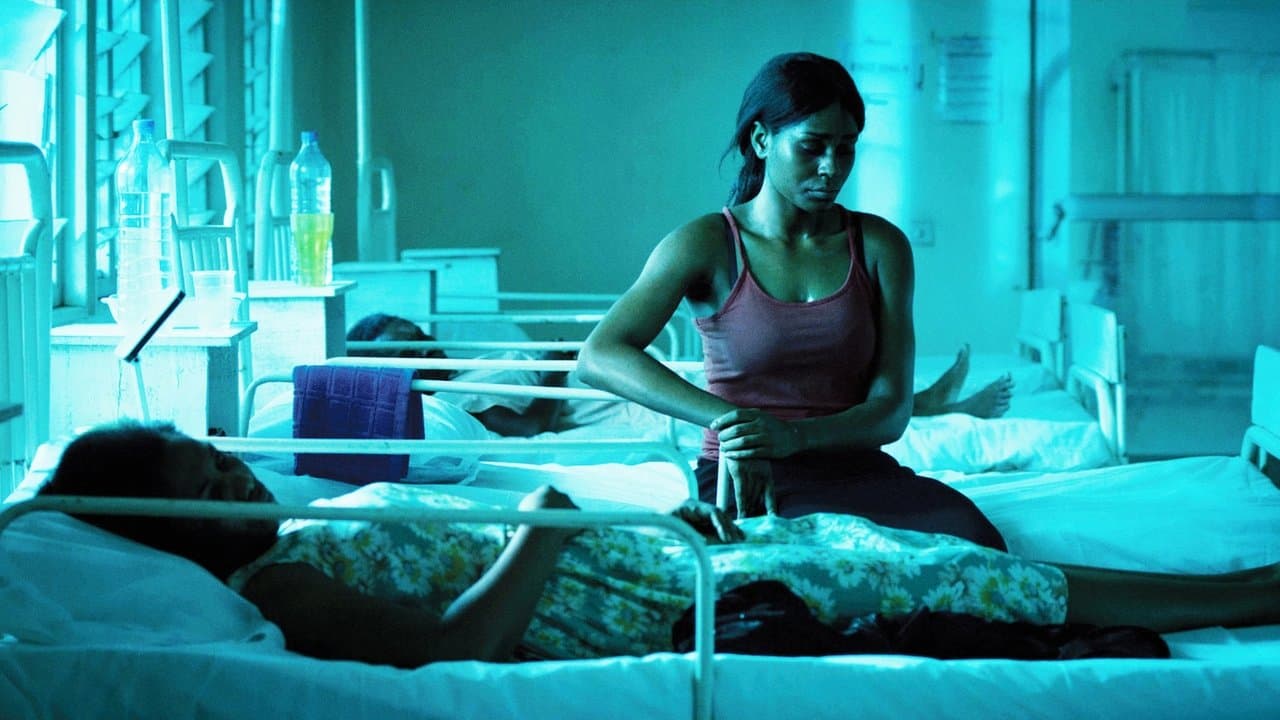
93 Days tells the story of what happened when the most lethal and contagious disease known to man arrived in Lagos, a megacity of over 20 million people. Director Steve Gukas crafted this 2016 drama thriller around a moment most of the world barely noticed—when Nigeria faced down one of the deadliest outbreaks of Ebola in recorded history. The film follows the real-life efforts of healthcare workers at a Lagos hospital as they raced against time, battling not just the virus itself, but fear, misinformation, and the chaos of a densely populated urban center where containment seemed nearly impossible. What makes the premise so compelling is that it actually happened. Nigeria's 2014 Ebola outbreak killed 8 people out of 20 confirmed cases—a 40% mortality rate that could have been catastrophic if not for the determination of the people on the front lines.
Behind the Making of 93 Days and Its International Cast
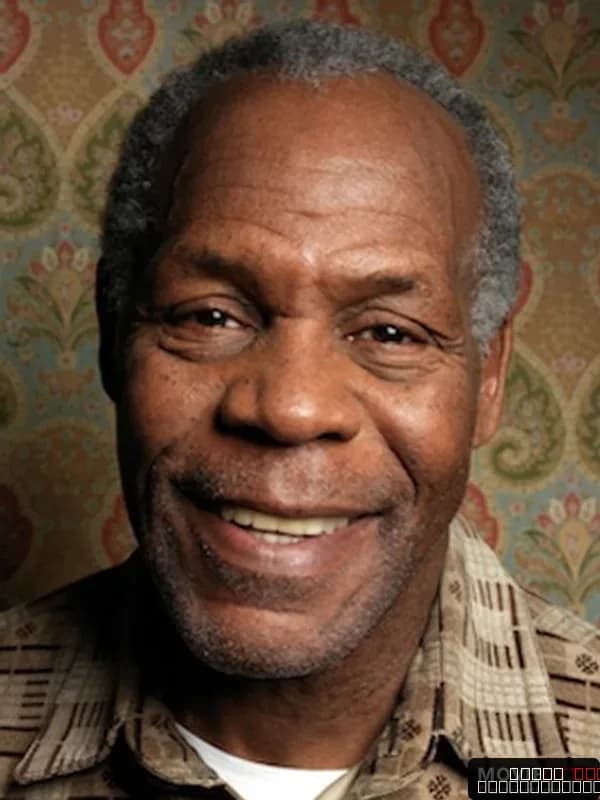
Produced through a collaboration between Native FilmWorks, Michel Angelo Production, and Bolanle Austen-Peters Production, 93 Days represents a significant moment for Nigerian cinema—a locally produced film tackling a global health crisis with international credibility. The ensemble cast brings substantial pedigree to the project. Bimbo Akintola, a veteran of Nigerian television and film, anchors the ensemble alongside Hollywood veteran Danny Glover, whose involvement lent the production crossover appeal beyond African audiences. The film also features TIFF Rising Star Somkele Iyamah-Idhalama and Bimbo Manuel, both of whom brought their own gravitas to the ensemble. What's striking is that Gukas didn't approach this as a standard disaster film—he treated it as a character study of ordinary people in extraordinary circumstances. The 124-minute runtime gives the narrative space to breathe, to show the personal cost of heroism rather than just the spectacle of crisis. On IMDb, the film holds a 5.7/10 rating, which tells you something important: this isn't a crowd-pleasing blockbuster. It's a serious, sometimes uncomfortable examination of real events that don't always fit neat narrative arcs.
What Makes 93 Days Stand Out Among Pandemic Narratives
There's a particular kind of tension that comes from watching a film where you already know the outcome—Nigeria did contain the outbreak, did survive the crisis—yet you're still gripped by the uncertainty of the moment. That's what 93 Days manages to pull off. The performances don't rely on melodrama or false sentiment; instead, they're grounded in the exhaustion and moral weight of people who can't afford to fail. Akintola's portrayal of a healthcare worker facing impossible choices carries a quiet intensity that lingers long after the credits roll. Glover, working in a supporting capacity, brings gravitas without overshadowing the Nigerian actors—a refreshing choice that respects the story's origins. I keep coming back to the film's refusal to exoticize the crisis or present it through a Western savior lens. The doctors and nurses aren't saints or martyrs; they're professionals doing their jobs under conditions that would break most people. That's harder to pull off than it sounds. The thing nobody mentions is how much restraint Gukas shows—there are moments where the film could have gone for maximum emotional impact but instead holds back, trusting the audience to understand the weight of what's happening without being bludgeoned by the score or overwrought dialogue. It's a film that respects both its subject matter and its viewers.
Where to Stream 93 Days Online
93 Days is currently available on major OTT services, making it accessible if you're looking to watch from home. Rather than listing every platform individually here, Movie OTT maintains a real-time "Where to Watch" widget at the top of this page that shows you exactly which streaming services have 93 Days available in your region right now. Streaming availability shifts regularly—what's on one platform this month might move to another next month—so that widget is your most reliable source for current information. Movie OTT tracks these changes across Netflix, Prime Video, and other major platforms, so you don't have to hunt around yourself. The film's 124-minute runtime makes it a solid evening watch, and having it available on demand means you can pause and process some of the heavier moments without the pressure of a theatrical experience.
Frequently asked questions
Q: Is 93 Days based on a true story?
Yes, the film recounts the actual 2014 Ebola outbreak in Nigeria. The outbreak resulted in 20 confirmed cases with 8 deaths, and the response by healthcare workers in Lagos is accurately portrayed in the film, making it a historical drama rather than a fictional thriller.
Q: Who directed 93 Days?
Steve Gukas directed and co-produced the film. Gukas is a Nigerian filmmaker who brought both international sensibility and local authenticity to the project, treating the real-life crisis with the gravity it deserved.
Q: What's the runtime of 93 Days?
The film runs 124 minutes, which gives the narrative room to develop character arcs and explore the human dimension of the crisis rather than rushing through plot points.
Q: Does 93 Days have Danny Glover in a leading role?
Danny Glover appears in a supporting role alongside Nigerian leads Bimbo Akintola and Somkele Iyamah-Idhalama. His involvement brought international recognition to a story centered on African healthcare workers.
Q: What's the IMDb rating for 93 Days?
The film holds a 5.7/10 rating on IMDb, reflecting mixed critical and audience response. It's a serious, unflinching look at crisis management that won't appeal to everyone, but it resonates strongly with viewers interested in historical dramas based on real events.
Final Thoughts on 93 Days
If you're drawn to historical dramas that prioritize authenticity over spectacle, 93 Days deserves your time. It won't give you the catharsis of a conventional hero's journey, but it will give you something harder to come by—a genuine portrait of people doing extraordinary work in ordinary clothes, in hospital corridors and isolation wards, with no guarantee of recognition or reward. The film's quiet power lies in its refusal to simplify. Watch it when you're ready for something that lingers.