







The Story of 976-EVIL and Its Twisted Premise
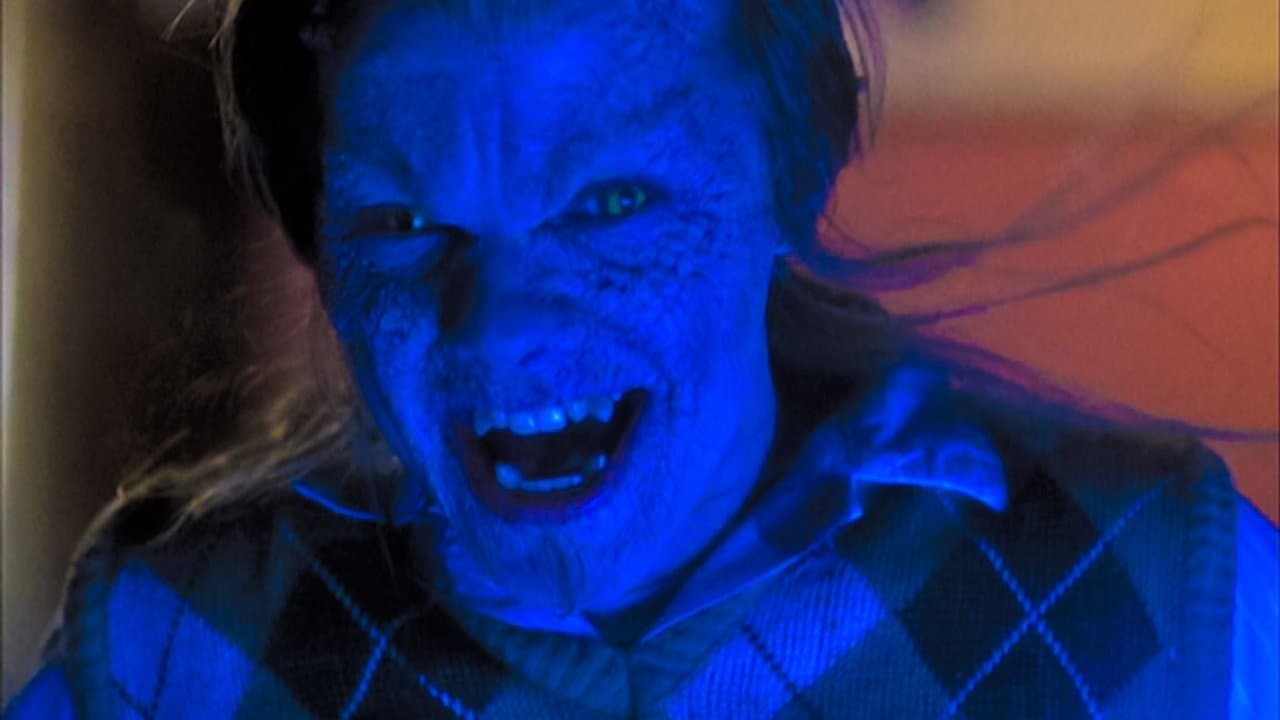
976-EVIL tells the story of a high school outcast named Hoax who stumbles upon an advertisement for a mysterious phone service offering daily horrorscopes. The premise seems innocent enough—dial 976-EVIL and get your supernatural forecast—but when Hoax makes the call, he's granted something far more sinister: genuine demonic powers. What unfolds is a darkly comic exploration of bullying, isolation, and what happens when the powerless suddenly become unstoppable. The tagline says it all: "Revenge is on the line." It's exactly that simple, and exactly that dangerous.
The film taps into a very specific anxiety of its era. The 976 telephone exchange was a real thing in the late 1980s—a premium-rate system that thrived on the promise of instant gratification and forbidden knowledge. Horror films have always mined real-world technology for scares, but 976-EVIL does something cleverer: it weaponizes the idea that anyone, anywhere, with a phone and a few dollars, could unlock something they shouldn't. Hoax's transformation isn't gradual or subtle. It's immediate, intoxicating, and absolutely irreversible.
Behind the Making of 976-EVIL and Robert Englund's Directorial Debut
976-EVIL arrived in 1988 as something of a curveball: a horror film directed by Robert Englund, the actor best known for playing Freddy Krueger in the A Nightmare on Elm Street franchise. This was Englund's first time behind the camera, and he brought a distinctly theatrical sensibility to the material. The screenplay was co-written by Brian Helgeland, who'd go on to win an Academy Award for his work on L.A. Confidential and The Mystic River (he's had quite a career since). The cast included Stephen Geoffreys in the lead role, alongside Patrick O'Bryan, Jim Metzler, Maria Rubell, and Sandy Dennis—a solid ensemble that grounded the film's more outlandish moments in genuine human conflict.
Produced by CineTel Films and Horrorscope Productions, 976-EVIL didn't become a blockbuster, but it found its audience in the home video market where so many 1980s horror films truly lived. The film runs 92 minutes—lean, focused, no wasted time. It's the kind of direct-to-video era movie that had to work hard to justify its premise in under two hours, and that constraint actually works in its favor. Englund's directorial instincts lean toward the darkly comedic rather than the purely terrifying, which gives the film a tonal texture that separates it from more straightforward revenge narratives. The MPAA rated it R, which was standard for horror fare of the period.
What Makes 976-EVIL Stand Out as a Revenge Fantasy
What's striking about 976-EVIL is that it doesn't pretend to be a subtle character study. This is a movie about wish fulfillment—the fantasy that the bullied kid could become powerful, that the meek could inherit the earth (or at least get even). The performances anchor something that could easily have become cartoonish. Stephen Geoffreys plays Hoax with a genuine vulnerability that makes his transformation genuinely unsettling rather than triumphant. There's no moment where we're supposed to cheer for his revenge spree; instead, we watch someone become corrupted by power in real time, and that's far more interesting than a simple good-versus-evil framework.
The film arrived at a cultural moment when horror was becoming increasingly self-aware. The late 1980s saw A Nightmare on Elm Street 3 and Friday the 13th Part VII leaning into dark humor, and 976-EVIL fits that lineage. It's not trying to terrify you so much as make you uncomfortable with the idea that a social outcast gaining supernatural power might not lead to heroic justice—it might lead to something uglier. Englund's directorial eye understands this tension. He's spent years playing a villain who kills teenagers; now he's exploring what it means when the teenager becomes the villain. That's not accidental thematic work for a directorial debut.
I keep coming back to the film's central conceit: the phone number itself as a character. 976-EVIL isn't just a MacGuffin—it's a temptation, a shortcut, a promise that everything wrong in your life can be solved with a simple call. In that sense, the film taps into something genuinely unsettling about technology and desire. You don't need a lot of money, you don't need to be smart or attractive or popular. You just need to be willing to make the call. That's a darker idea than most horror films from the period were willing to explore.
Where to Stream 976-EVIL Online
Finding 976-EVIL is easier than ever thanks to the streaming aggregation landscape. The film is currently available on major OTT services, and Movie OTT tracks exactly where you can watch it right now—no hunting through multiple apps required. Because the film has developed a modest cult following over the decades, it pops up on various platforms depending on licensing windows. Whether you're subscribed to the major services or exploring specialty horror collections, Movie OTT's "Where to Watch" widget at the top of this page will show you every current option. The 92-minute runtime makes it perfect for a weeknight horror session, and the film's tonal balance means it works as both a serious genre entry and a darkly comic time capsule of 1980s anxieties.
Frequently asked questions
Q: Who directed 976-EVIL?
Robert Englund, famous for playing Freddy Krueger, directed this film as his feature directorial debut. The screenplay was co-written by Brian Helgeland, who later won an Academy Award for L.A. Confidential.
Q: Is 976-EVIL based on a true story?
No, it's an original screenplay, though the 976 telephone exchange was a real premium-rate service that existed in the late 1980s. The film uses that real technology as the foundation for its fictional horror premise.
Q: What's the runtime of 976-EVIL?
976-EVIL runs 92 minutes, making it a lean, focused revenge horror film with no wasted scenes.
Q: Is 976-EVIL part of a series?
Yes, 976-EVIL is part of the 976-EVIL Collection, an established franchise. There's a sequel and the film has spawned related properties over the years.
Q: What rating does 976-EVIL have on IMDb?
The film holds a 5.3/10 rating on IMDb, reflecting its status as a cult curiosity rather than a universally beloved classic—though that hasn't stopped it from finding devoted fans.
Final Thoughts on 976-EVIL as 1980s Horror
976-EVIL isn't a perfect film, and it doesn't pretend to be. What it is, though, is a genuinely weird artifact of its moment—a film about technology, isolation, and the corrupting nature of power wrapped in a horror-comedy package. Robert Englund's directorial instincts are sharp, the premise is audacious, and the film commits fully to its central conceit without apology. If you're interested in 1980s horror that's willing to be strange and darkly funny, or if you're curious about where some of your favorite filmmakers got their start, 976-EVIL deserves a look. It's the kind of film that rewards rewatching, especially now that streaming makes it accessible again.