The Story of A Christmas Carol in This 1959 Adaptation
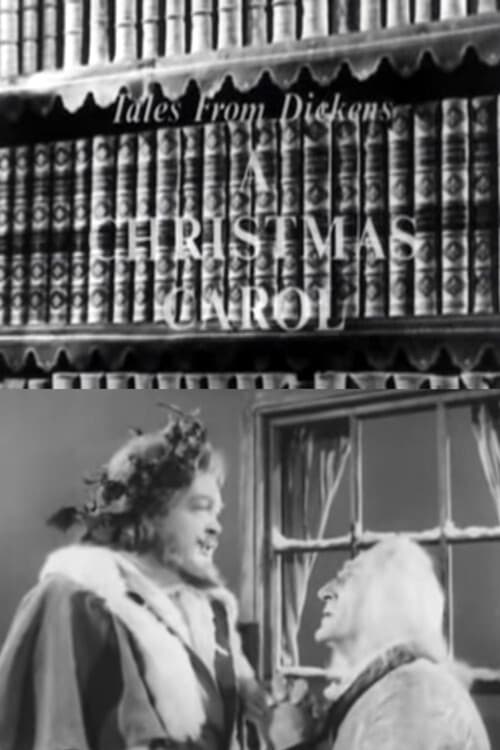
Ebenezer Scrooge doesn't need introduction—he's been haunting our screens and pages for nearly two centuries. But what's striking about this 1959 version is how it trusts the material without padding it. In just 25 minutes, the film captures the full arc of a man's moral collapse and sudden, desperate redemption. On Christmas Eve, Scrooge is visited by spirits who force him to confront his own miserable existence, the opportunities he squandered in youth, and the bleak future waiting for him if he doesn't change. It's a story about regret, yes, but more importantly about the possibility of becoming someone new. The spirits don't just show Scrooge his past—they show him the consequences of his present cruelty and the death that awaits him unless he transforms. Redemption or ruin. That's the choice.
Behind the Making of A Christmas Carol: Production and Pedigree
This adaptation emerged from Coronet Films and The Dickensian Society in London, part of the anthology series Fredric March Presents Tales from Dickens, which brought the author's work to television audiences in the 1950s. The decision to produce Dickens adaptations for television was itself significant—this was the era when TV was still fighting to prove itself as a medium worthy of literary classics, and Coronet Films understood that fidelity to source material, combined with strong performances, could make that case. Fredric March, the two-time Academy Award winner, lent his considerable prestige to the series, and his involvement signaled that these weren't cheaply made quickies but earnest dramatic work. The 25-minute runtime was a constraint born of television's scheduling demands, yet it forced the filmmakers to distill Dickens down to pure narrative momentum. No subplots, no digressions—just the essential skeleton of the story, executed with clarity. The production values reflect mid-century British television craftsmanship: practical sets, careful lighting, and performances that understood they had to convey depth in limited time. While this adaptation never achieved the widespread recognition of later film versions, it's rated 8.7 out of 10 on IMDb, a testament to viewers who've discovered it and recognized the quality of the work.
What Makes This A Christmas Carol Stand Out Among Adaptations
There's a particular power in watching something this lean. Most modern adaptations of A Christmas Carol tend toward spectacle—elaborate sets, celebrity casts, runtime to justify a theatrical release. This 1959 version does something harder: it trusts that the story itself carries all the weight you need. The performances have nowhere to hide, which means they have to be genuine. When Scrooge confronts his own past, there's no orchestral swell to manipulate your emotions; you're watching an actor's face and body language do the work. I keep coming back to how efficiently the film moves through Scrooge's transformation. Some versions linger on his misery or his redemption, but this one understands that both are most powerful when they're shown, not explained. The Christmas spirits—Past, Present, and Yet to Come—are rendered not as elaborate phantoms but as presences that provoke thought. What's remarkable is how well this approach has aged. You can watch it now and find it doesn't feel quaint or dated in its emotional register, even if the production design screams 1950s. The thing nobody mentions about Dickens' story is how brutal it actually is—Scrooge doesn't just learn to be nice, he learns that his life has been a waste and that he might die alone and unmourned if he doesn't change immediately. That darkness, that genuine stakes, comes through here without any softening.
Where to Stream A Christmas Carol Online
This 1959 adaptation is available on major OTT services, making it easy to access during the holiday season or whenever you're in the mood for a compact, powerful take on Dickens' novella. Check the Where to Watch widget at the top of this page to see which streaming platforms currently carry it in your region. Movie OTT tracks availability across services, so you can find it without hunting across multiple apps. Whether you're a Dickens completist or just curious about how television handled classic literature in the 1950s, this version is worth seeking out. The short runtime means you can fit it into an evening without commitment, but don't let that fool you—there's nothing slight about what's on screen.
Frequently Asked Questions
Q: Is this 1959 version a complete adaptation of Dickens' A Christmas Carol?
It covers the full arc of the novella—Scrooge's past, present, and future, plus his redemption—but compressed into 25 minutes. Nothing essential is missing, though some secondary characters and subplots are streamlined. It's a faithful distillation rather than a word-for-word adaptation.
Q: Who directed the 1959 A Christmas Carol?
The film was produced by Coronet Films and The Dickensian Society as part of the Fredric March Presents Tales from Dickens anthology series. Specific directorial credit varies by source, but the series was a collaborative effort to bring Dickens to television audiences.
Q: How long is this version?
At 25 minutes, it's one of the shortest adaptations of A Christmas Carol ever made, designed to fit television's mid-century scheduling constraints. That brevity is actually one of its strengths—there's no filler, just pure narrative.
Q: What's the IMDb rating for this version?
It holds an 8.7 out of 10 rating on IMDb, which reflects strong appreciation from viewers who've discovered it. That's notably high for a television adaptation from the 1950s.
Q: Is this the same as other famous A Christmas Carol adaptations?
No. This is distinct from the 1951 Alastair Sim version, the 1992 Muppet Christmas Carol, and other well-known takes. It's a television production from a specific era and carries its own character and approach.
Final Thoughts on A Christmas Carol: The 1959 Classic
If you've never seen this adaptation—or if you've watched every other version of A Christmas Carol and want to experience something different—this 1959 production deserves your time. It's proof that you don't need elaborate production design or a three-hour runtime to tell a story that matters. The film trusts Dickens, trusts its audience, and trusts its performers. That confidence pays off. Whether you're watching it for the hundredth time or discovering Scrooge's redemption for the first time, this lean, purposeful version cuts straight to the heart of why this story has endured for nearly 180 years: we all want to believe we can change, and we're all terrified we won't.