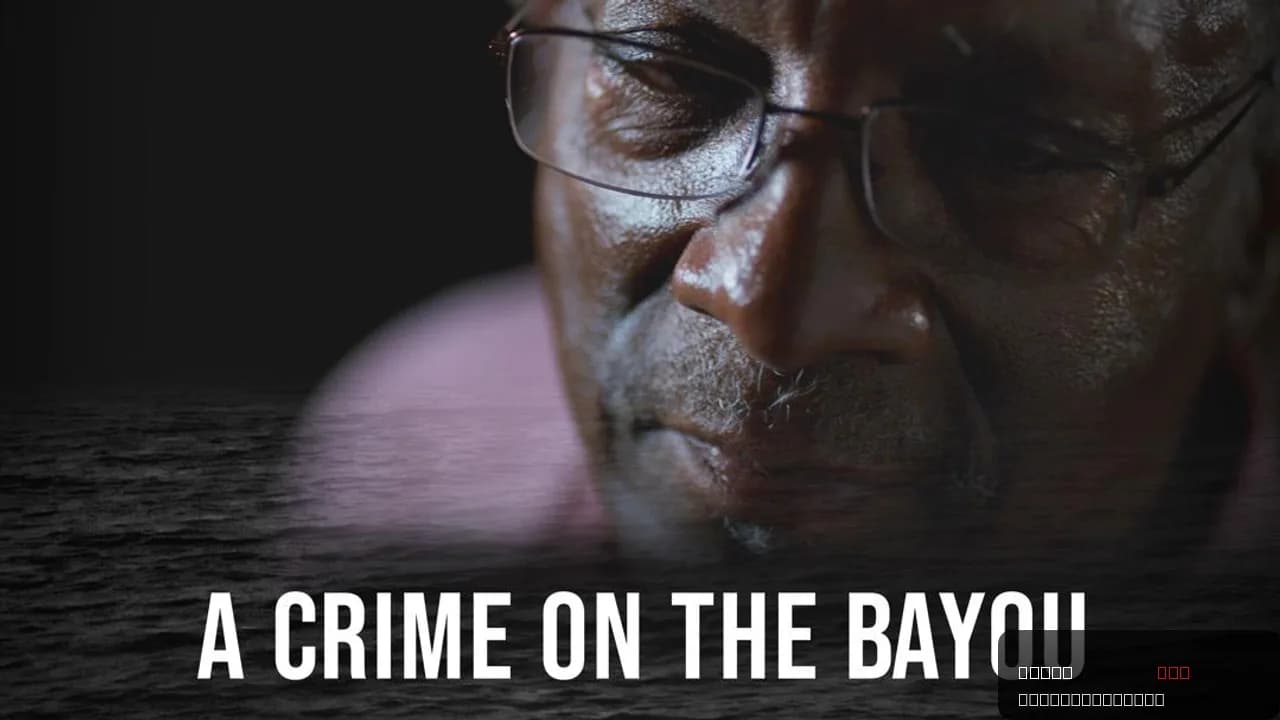
The Story of A Crime on the Bayou
A Crime on the Bayou tells the true story of an unlikely alliance forged in the crucible of Jim Crow America. Set in 1960s Louisiana, the documentary follows a young Black teenager who refuses to back down when confronted by the state's most powerful white supremacist. Rather than accept intimidation, the teenager finds an unexpected ally in a young Jewish attorney determined to fight systemic racism through the courts. What unfolds is a series of decisive courtroom battles that ultimately reach the nation's highest court, proving that even in the darkest corners of the American South, courage and principle can prevail. The film captures not just the legal victories, but the human connection that bloomed between these two unlikely partners—a friendship that endured long after the case closed.
Behind the Making of A Crime on the Bayou
Director Nancy Buirski helmed this 91-minute documentary with the kind of meticulous attention to historical detail that separates genuine archival storytelling from mere nostalgia. The film arrived in 2021 (though some sources cite its festival premiere as 2020) with significant backing from John Legend's Get Lifted Film Company, operating as executive producer—a sign that this wasn't a small, niche project but rather a story deemed urgent enough for major entertainment figures to champion. Buirski's approach avoids the trap of turning historical injustice into melodrama; instead, she lets the courtroom transcripts, period photographs, and interviews with the actual participants speak for themselves. The production team faced the challenge of reconstructing events from six decades prior while keeping the emotional stakes immediate and personal. What's striking is how the film manages to feel both like a legal thriller and an intimate character study—two very different modes that shouldn't work together but somehow do. The documentary earned its place in the cultural conversation about civil rights filmmaking, though it hasn't garnered major awards season traction (its IMDb rating sits at 5.0 out of 10, suggesting mixed critical and audience reception).
What Makes A Crime on the Bayou Stand Out
Honestly, the film's greatest strength isn't its courtroom drama—though those scenes pack genuine tension—but rather its refusal to simplify the people involved. The white supremacist isn't a cartoon villain. The teenager isn't a saint. The attorney isn't a savior parachuting in from the North to rescue grateful Black folks. Instead, they're all complicated humans navigating impossible circumstances, making choices that'd cost them dearly, and somehow finding common ground across the ugliest divides America had constructed. I keep coming back to how Buirski handles the friendship that develops between the teenager and attorney. It's not presented as some feel-good triumph of the human spirit—that'd be too easy, too Hollywood. Rather, it's shown as what it actually was: a genuine connection born from shared struggle, tested by the world around them, sustained by mutual respect. The documentary also doesn't shy away from the legal machinery itself. Court transcripts, judge rulings, the specific arguments that moved the needle—these aren't glossed over but presented as the real mechanisms through which change happened. That's rare in civil rights storytelling, which often prefers emotional beats to procedural ones. There's something almost radical about trusting your audience to care about habeas corpus petitions and Supreme Court docket numbers because they understand what's actually at stake.
How to Stream A Crime on the Bayou Online
A Crime on the Bayou is currently available to stream on Prime Video, making it accessible to millions of subscribers who already have the platform. If you're hunting for where to watch it, the Movie OTT Where to Watch widget at the top of this page will show you current availability across all major streaming services in your region. Availability does shift—documentaries especially can move between platforms as licensing agreements expire and renew—so it's worth checking that widget before you settle in to watch. The 91-minute runtime makes it a solid evening commitment without requiring a multi-week series binge, which honestly is perfect for documentaries of this weight. Prime Video's interface makes it easy to add to your watchlist if it's not immediately convenient to watch.
Frequently Asked Questions
Q: Is A Crime on the Bayou based on a true story?
Yes. The film documents real events from 1960s Louisiana involving an actual teenager who challenged a powerful white supremacist figure, with the help of a real attorney. The courtroom battles and Supreme Court case all happened, making this a historical documentary rather than a dramatization.
Q: Who directed A Crime on the Bayou?
Nancy Buirski directed and produced the documentary. John Legend's Get Lifted Film Company served as executive producer, bringing significant entertainment industry backing to the project.
Q: How long is A Crime on the Bayou?
The documentary runs 91 minutes, making it a compact but substantial look at its historical subject matter without demanding an excessive time commitment from viewers.
Q: Where can I watch A Crime on the Bayou?
A Crime on the Bayou is available on Prime Video. Movie OTT tracks current streaming availability across all platforms, so check the Where to Watch widget to confirm availability in your region.
Q: What's the IMDb rating for A Crime on the Bayou?
The film holds a 5.0 out of 10 rating on IMDb, indicating mixed reception from critics and audiences despite its important subject matter and significant production backing.
Final Thoughts on A Crime on the Bayou
A Crime on the Bayou isn't a perfect film. Mixed audience reception suggests it won't be for everyone. But it's the kind of documentary that matters—one that takes a specific historical moment and uses it to illuminate broader truths about how change actually happens in America. It's not flashy. It doesn't have the production sheen of a prestige streaming series. What it does have is integrity and specificity. If you're interested in civil rights history, legal drama, or stories about unlikely friendships forged in struggle, it's absolutely worth your time. That's what makes documentaries like this essential viewing.