








The Story of A Dark Place: When a Sanitation Worker Becomes Detective
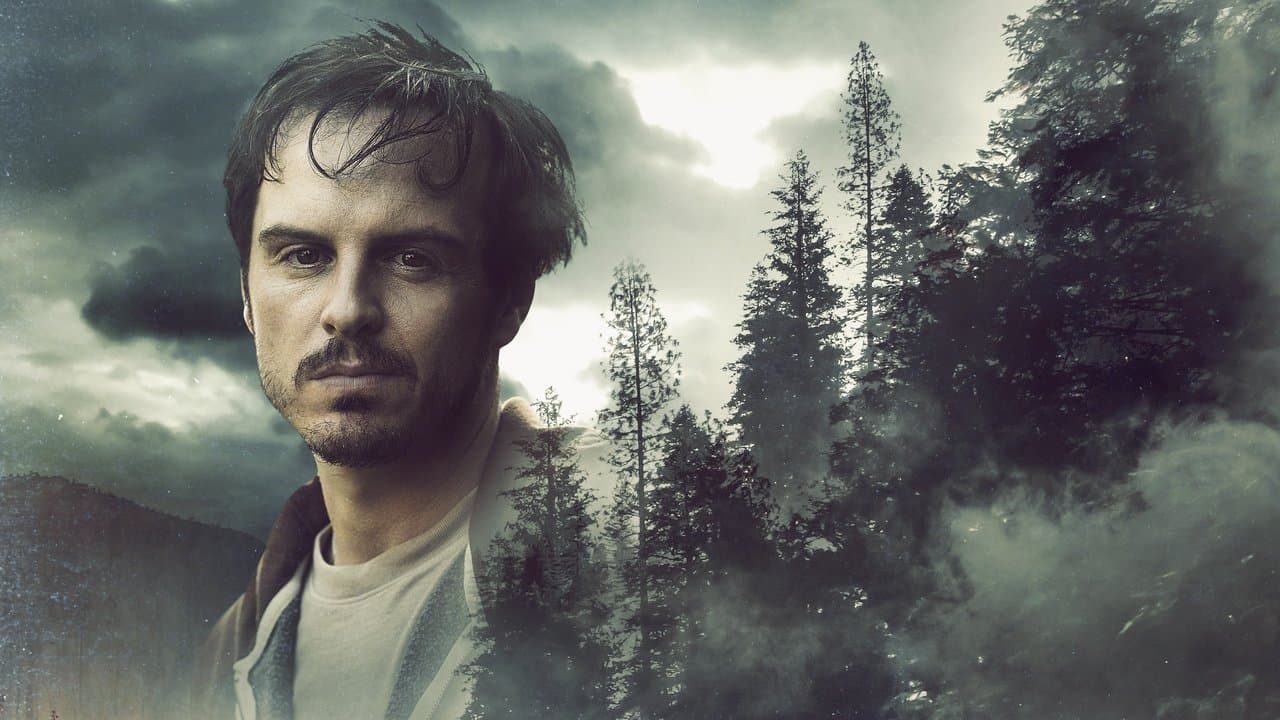
A Dark Place follows Donald, an autistic sanitation truck driver working the garbage routes of a sleepy Pennsylvania town outside Pittsburgh. When a young boy he knew turns up dead, Donald can't shake the feeling that something's wrong with the official story—that this wasn't an accident, but murder. What starts as quiet concern hardens into obsession. Donald begins his own investigation, following leads, asking uncomfortable questions, and pushing into the lives of people who'd rather he mind his own business. The more he digs, the more he realizes that someone in this town is hiding something dark. And they're watching him watch them.
It's a simple premise. A man sees injustice, acts on it. But A Dark Place isn't interested in simple resolutions. The film trades traditional detective-story satisfaction for something grittier—the slow, grinding friction of one person's conviction rubbing against a community's collective silence. No crossbows or flashy violence here, just the weight of obsession and the cost of refusing to look away.
Behind the Making of A Dark Place: Cast, Production, and Reception
A Dark Place was produced by Zero Gravity Management and Bedlam Productions, arriving in 2018 as a lean 89-minute thriller that punches above its budget. The film earned a Metascore of 41, indicating mixed critical reception, though it's accumulated a respectable 6.2 rating on IMDb from nearly 5,800 votes—the kind of score that suggests a cult following rather than mainstream acclaim. The film received one major award nomination, a modest but meaningful nod in the festival circuit.
Andrew Scott carries the weight of the film as Donald, and his casting is the film's smartest decision. Scott's known for precision work in prestige television (Fleabag, Sherlock), and he brings that same intensity to a character who could've been played as simply unhinged. Instead, he makes Donald sympathetic—a man whose neurodivergence isn't played for tragedy or inspiration porn, but rather as part of how he sees the world differently than everyone else. That difference is what drives the investigation. Bronagh Waugh plays Denise, his coworker and moral anchor, while Denise Gough (yes, another Denise) portrays his ex-girlfriend, a woman caught between loyalty to Donald and fear of what his obsession might cost. Michael Rose rounds out the cast as the Sheriff, the embodiment of institutional indifference.
The film never got wide theatrical distribution—it's primarily a streaming find—but that's actually fitting for a story about marginalization and invisibility.
What Makes A Dark Place Stand Out: Performance and Atmosphere Over Plot
Here's what's striking about A Dark Place: it doesn't rely on twists or revelation. There's no shocking third-act reversal, no gotcha moment where you realize Donald was wrong all along. Instead, the film trusts that watching a man slowly unravel under the weight of obsession is enough. And it is. Scott's performance is the engine—you believe his conviction, even when (and especially when) the evidence is circumstantial. You see him lose sleep, lose patience, lose his grip on what's reasonable. The garbage truck becomes a character itself, a symbol of how society literally looks past people like Donald.
What's striking is how the film refuses easy answers about autism and obsession. Donald isn't a savant detective cracking the case through special insight. He's just a man who can't let something go, and that trait cuts both ways—it's what makes him pursue justice, and it's also what isolates him. The town's response to his investigation is less about covering up a crime than about protecting the status quo, about not wanting to be disrupted by someone asking uncomfortable questions. That's a more unsettling premise than any murder mystery, honestly.
The cinematography keeps everything close and claustrophobic—lots of tight framing, overcast Pennsylvania skies, the drab interiors of diners and police stations. There's no glamour here, no romance to the investigation. It's just grinding work, and it wears on you the way it wears on Donald. I keep coming back to one scene where Donald confronts someone at a local business, and the person just... doesn't engage. They won't even acknowledge his questions. That moment captures the film's real horror—not foul play, but indifference.
Where to Stream A Dark Place Online
A Dark Place is available on major OTT services, and Movie OTT tracks its current availability across streaming platforms in real time. The film's found its audience primarily through streaming—it's exactly the kind of mid-budget, character-driven thriller that works better on a TV screen late at night than it would in a multiplex. You can check the where-to-watch widget at the top of this page to see which services have it in your region right now. Availability shifts, but the film tends to cycle through the major platforms regularly. Movie OTT keeps that widget updated so you don't have to hunt across five different apps.
Frequently asked questions
Q: Is A Dark Place based on a true story?
No, A Dark Place is a fictional narrative, though it draws on the very real experience of autistic individuals navigating systems that don't understand them. The film's setting in Pennsylvania and its focus on a working-class community give it a grounded, documentary-like feel that can make it seem autobiographical, but it's an original screenplay.
Q: Who directed A Dark Place?
The film was directed by Martin Guigui, a filmmaker known for character-driven independent work. Guigui's direction prioritizes performance and atmosphere over plot mechanics, which is why the film lingers in your head even after it ends.
Q: What does the garbage truck symbolize in the film?
The garbage truck is central to Donald's identity and invisibility—it's how society quite literally looks past him. His job puts him on the margins, seeing what people discard, noticing what others ignore. When he tries to apply that attention to the boy's death, he's crossing a line from observer to participant, and the town doesn't want him there.
Q: Is A Dark Place a good film to watch if I enjoy mystery thrillers?
It depends on what you're looking for. If you want puzzle-box plotting and clever reveals, A Dark Place will disappoint. But if you're drawn to slow-burn character studies about obsession and social alienation—films like Nightcrawler or The Killing—then yes, it's worth your time. It's more interested in how a man unravels than in solving a crime.
Q: What's the runtime and rating?
A Dark Place runs 89 minutes, making it a lean, efficient thriller that doesn't overstay its welcome. The film contains themes of child death and abuse, so it's not light viewing, but it's not gratuitously graphic either.
Final Thoughts on A Dark Place: Who Should Watch
A Dark Place isn't a crowd-pleaser, and it doesn't pretend to be. It's a film for people who appreciate Andrew Scott's work, who don't mind slow-burn narratives, and who can sit with moral ambiguity. The ending won't satisfy everyone—some will find it frustrating, others will find it honest. But if you're the type who gravitates toward independent character studies over formulaic thrillers, and you've got 89 minutes to spare, it's worth streaming. It's the kind of film that sticks with you not because of what happens, but because of what it says about how we see—or refuse to see—people on the margins.