
The Story of A Gray State
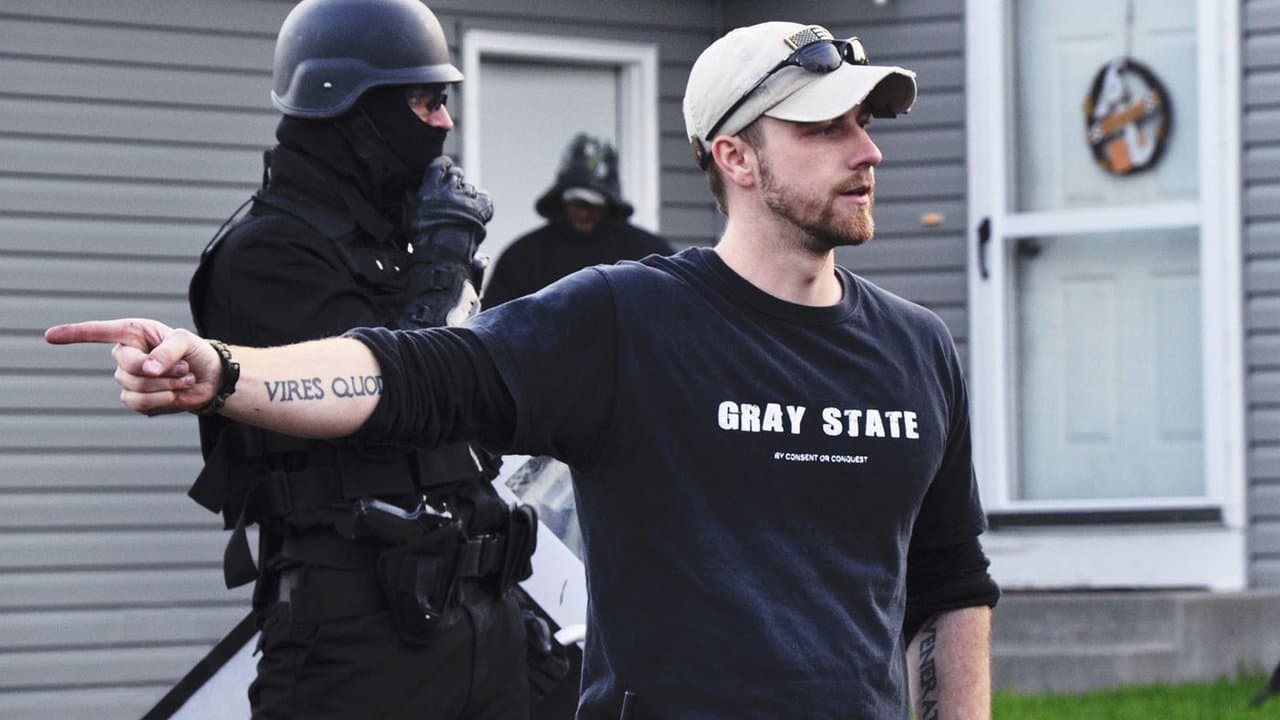
A Gray State isn't a film about a film—it's an excavation. Directed by Erik Nelson and executive produced by Werner Herzog, this 2017 documentary traces the rise and catastrophic fall of David Crowley, an Iraq War veteran who, in 2010, began production on a feature film called Gray State. His trailer, crowdfunded and raw, caught fire in libertarian and Tea Party circles online. The vision was dystopian near-future America: civil liberties erased, federal power unchecked, the machinery of government turned against its own citizens. It was the kind of story that resonated with a growing audience hungry for narratives about institutional collapse. But in January 2015, Crowley was found dead in his suburban Minnesota home alongside his wife and daughter. What happened in those five years between ambition and tragedy—and whether the line between artistic paranoia and actual mental illness can ever be clearly drawn—is what A Gray State sets out to understand.
Behind the Making of A Gray State
The documentary itself carries serious pedigree. Nelson and Herzog had previously collaborated on Grizzly Man (2005), Herzog's acclaimed meditation on obsession and isolation in the Alaskan wilderness—a pairing that proved essential here, since A Gray State demands exactly that kind of unflinching, philosophical examination of how a person's grip on reality can slip. A&E IndieFilms produced the film, which premiered on the A&E Network before reaching broader audiences. The 93-minute runtime is lean and purposeful; there's no padding, no filler. Critics took notice immediately. Rotten Tomatoes gave it a perfect 100% Fresh rating, while Metascore landed it at 74, positioning it as a film that works both as accessible documentary and as serious critical inquiry. The TV-MA rating reflects its unflinching approach to suicide, mental breakdown, and the blurred boundaries between paranoia and prophecy. It received one award nomination, though the documentary's real achievement lies in how it refuses easy answers—no villain unmasked, no conspiracy confirmed, just the slow, terrible logic of a mind coming undone.
What Makes A Gray State Stand Out
What's striking about this film is that it doesn't choose a side. You won't find it smugly debunking conspiracy theorists or lionizing Crowley as a martyr. Instead, Nelson constructs something far more unsettling: a portrait of someone whose artistic vision and political convictions became indistinguishable from delusion. Crowley was charismatic—by all accounts, genuinely so. He drew people in, convinced them to invest in his dream, convinced them he was onto something true about America's trajectory. The thing nobody mentions enough is how plausible his fears seemed to his followers, and how that plausibility may have been exactly what made his internal collapse so catastrophic. When you're surrounded by people who validate every dark thought, every pattern you see in the news, every suspicion about shadowy forces—when that becomes your entire social and creative ecosystem—the distance between healthy skepticism and clinical paranoia collapses.
The documentary doesn't shy away from the role of infowars-adjacent media in shaping Crowley's worldview, nor does it pretend that online radicalization happens in a vacuum. It's a slow-motion study in how ideology, ambition, and untreated mental illness can feed each other. Spiritualism, hallucinations, the weight of military trauma—these aren't presented as separate threads but as a single, tightening knot. Crowley's ex-girlfriend and others close to him describe a man increasingly convinced of things that weren't true, increasingly isolated, increasingly convinced that his film was the only thing standing between truth and total deception. The tragedy is that his artistic instincts weren't wrong—dystopian storytelling matters, skepticism of power matters—but something in him broke, and no one close enough to help him could quite reach him before it was too late.
Where to Stream A Gray State Online
You can find A Gray State on major OTT platforms—check the Where to Watch widget at the top of this page for current availability on your preferred service. The documentary's broad critical acclaim and streaming availability mean it's reached audiences well beyond the niche communities that might have encountered Crowley's original work. Movie OTT tracks current streaming availability across all major platforms, so you'll always know exactly where to watch it. Since it's a TV movie with mature content, you'll want to make sure you're in the right headspace—this isn't background viewing. It demands your attention and sits with you afterward.
Frequently Asked Questions
Q: Is A Gray State based on a true story?
Yes. The documentary chronicles the real life and death of David Crowley, an Iraq veteran and aspiring filmmaker. His unfinished feature film Gray State and the circumstances of his 2015 death are documented fact, though the documentary explores competing interpretations of what those facts mean.
Q: Who directed A Gray State?
Erik Nelson directed the documentary, with Werner Herzog serving as executive producer. The two previously collaborated on Grizzly Man, Herzog's 2005 documentary about wilderness obsession and isolation.
Q: What happened to David Crowley's film Gray State?
The original feature film was never completed. Only the trailer and some footage survive. The documentary A Gray State uses archival material, interviews, and investigation to explore what Crowley was trying to make and why he never finished it.
Q: Is A Gray State available on streaming services?
Yes. The documentary is available on major OTT platforms. Use the Where to Watch widget on this page to find it on your preferred service.
Q: What's the runtime and rating of A Gray State?
The documentary runs 93 minutes and is rated TV-MA for its depiction of suicide, mental health crises, and mature thematic content.
Who Should Watch A Gray State
This is essential viewing if you're interested in radicalization, mental health, or the intersection of art and ideology—but it's also just a gripping, tragic human story. It won't give you easy answers. It won't let you feel smug about the people who believed Crowley's vision or the systems he feared. Instead, it'll make you sit with the terrible possibility that sometimes a person's paranoia can be both completely unfounded and understandable, that someone can be both a visionary and deeply unwell. A Gray State doesn't sensationalize; it witnesses. That restraint is what makes it so haunting.