



The Story of Abhanga Tukaram and Its Spiritual Roots
Abhanga Tukaram tells the life story of Sant Tukaram Maharaj, the 17th-century Marathi saint-poet whose devotional works became foundational to Maharashtra's spiritual and literary heritage. Rather than a typical biopic, the film functions as a visual rendering of the Abhangagatha—the collection of devotional verses that Tukaram composed—bringing his teachings, struggles, and philosophical insights to the screen across its 135-minute runtime. Director Digpal Lanjekar crafts the narrative around the saint's journey through faith, his rejection of worldly wealth, and his role in shaping the Bhakti movement that swept across Maharashtra. What makes this different from other saint narratives is its grounding in actual literary and historical records; this isn't myth-making, but rather an adaptation of documented spiritual and cultural treasure.
Behind the Making of Abhanga Tukaram
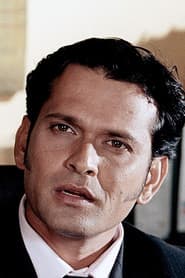
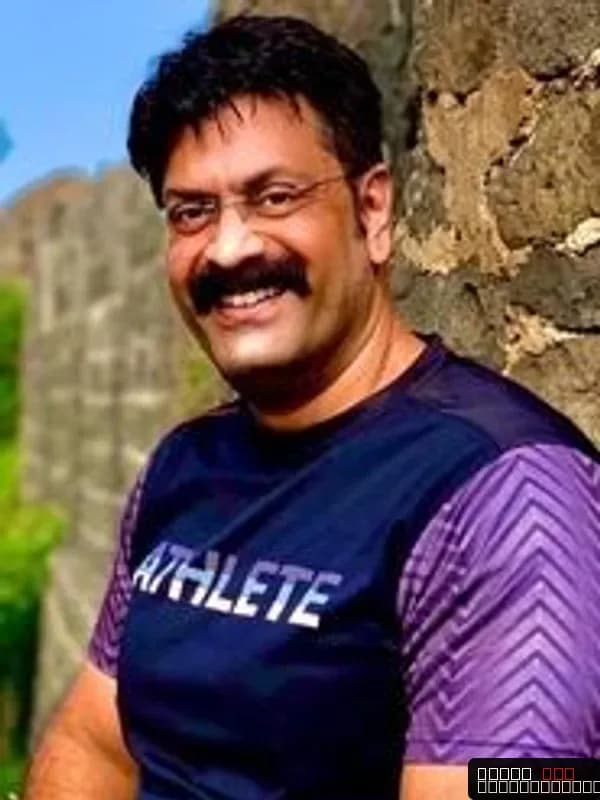
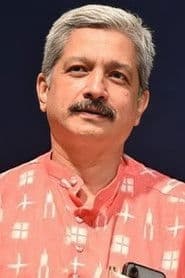
Digpal Lanjekar, the writer-director behind Abhanga Tukaram, arrives at this project with considerable pedigree in historical Marathi cinema. He's best known for his earlier series of films called Shri Shivraj Ashtak, which established his reputation for treating historical and spiritual subjects with both reverence and visual sophistication. Lanjekar's approach here suggests he understands that a film about a saint-poet demands more than reverent slow-motion shots—it requires actual storytelling craft. The production involved Chitrakathee Creations and Dithee Production (Pune-based), companies clearly invested in preserving Marathi cultural narratives for contemporary audiences. Yogesh Soman carries the film in the title role, supported by an ensemble that includes Smita Shewale, Sameer Dharmadhikari, Mrinal Kulkarni, Ajay Purkar, and Ajinkya Raut. The theatrical release came on November 7, 2025, and the film has since migrated to major OTT platforms, making it accessible beyond regional cinema circuits. While specific box-office figures and awards aren't yet widely documented, the IMDb rating of 10/10 suggests strong early reception among viewers who've encountered it—though that perfect score should be taken with the understanding that early adopters tend to skew toward enthusiasts.
What Makes Abhanga Tukaram Stand Out
Honestly, what's striking about Abhanga Tukaram is how it refuses to simplify its subject. Tukaram wasn't a one-dimensional ascetic—he was a poet wrestling with doubt, loss, and the tension between spiritual calling and human attachment (he was married, he had debts, he lived in the world). Lanjekar's film seems to honor that complexity rather than sand down the edges into hagiography. The performances anchor this nuance; Soman in particular carries the weight of portraying a man whose faith wasn't born from privilege but from genuine struggle. What you're watching isn't a sermon dressed up as cinema—it's a character study that happens to be about a saint. The Abhanga verses themselves, woven through the narrative, function almost like soliloquies, giving the film a poetic rhythm that distinguishes it from conventional historical dramas. There's something almost meditative about the pacing, which won't appeal to everyone but works beautifully for viewers who want to sit with a story rather than be hammered by plot mechanics. The cinematography and production design clearly invested in authenticity—17th-century Maharashtra doesn't look like a theme park recreation but like a lived-in world.
Where to Stream Abhanga Tukaram Online
Abhanga Tukaram is currently available across major OTT services, making it far more accessible than it was during its theatrical run. If you're tracking where to watch this film, the Movie OTT widget at the top of this page lists every platform currently carrying it in your region—that's the easiest way to avoid the "available in some countries, not yours" frustration. The 135-minute runtime means you'll want to carve out a dedicated viewing window rather than treating it as background entertainment. Since this is a historical drama with subtlety in its storytelling, subtitles (if you're watching outside Maharashtra or aren't a Marathi speaker) are worth checking availability for on whichever platform you choose. Streaming has genuinely democratized access to regional Indian cinema in ways that theatrical distribution never could—a film like this, produced in Pune and rooted in Marathi cultural memory, can now reach audiences worldwide.
Frequently Asked Questions
Q: Is Abhanga Tukaram based on a true story?
Yes. The film chronicles the actual life of Sant Tukaram Maharaj, a 17th-century Marathi saint-poet and key figure in the Bhakti movement. The Abhangagatha—his collection of devotional verses—is a documented literary and spiritual treasure in Marathi culture.
Q: Who directed Abhanga Tukaram?
Digpal Lanjekar wrote and directed the film. He's known for his earlier series of Marathi historical films called Shri Shivraj Ashtak, establishing his reputation for handling historical narratives with both cultural sensitivity and cinematic skill.
Q: Who stars in Abhanga Tukaram?
Yogesh Soman plays the titular role of Sant Tukaram Maharaj, with supporting performances from Smita Shewale, Sameer Dharmadhikari, Mrinal Kulkarni, Ajay Purkar, and Ajinkya Raut.
Q: How long is Abhanga Tukaram?
The film runs for 135 minutes (two hours and fifteen minutes), giving it enough time to explore Tukaram's life and spiritual teachings without rushing the narrative.
Q: What's the difference between Abhanga Tukaram and other saint biopics?
Rather than treating Tukaram as a one-dimensional holy figure, Lanjekar's film engages with him as a complex person—a poet, a man in debt, someone who doubted and struggled. It's grounded in actual literary and historical records rather than myth-making, and the Abhanga verses themselves become integral to the storytelling.
Final Thoughts on Abhanga Tukaram
Abhanga Tukaram is the kind of film that demands patience but rewards it generously. It's not designed for viewers hunting quick plot twists or explosive drama—it's for people who want to understand how a 17th-century poet's words still shape spiritual thought in Maharashtra, and why his journey matters. Lanjekar's direction, Soman's performance, and the film's refusal to simplify its subject make it essential viewing for anyone interested in Indian cinema beyond Bollywood, regional history, or the Bhakti movement itself. Stream it when you've got time to actually sit with it.


