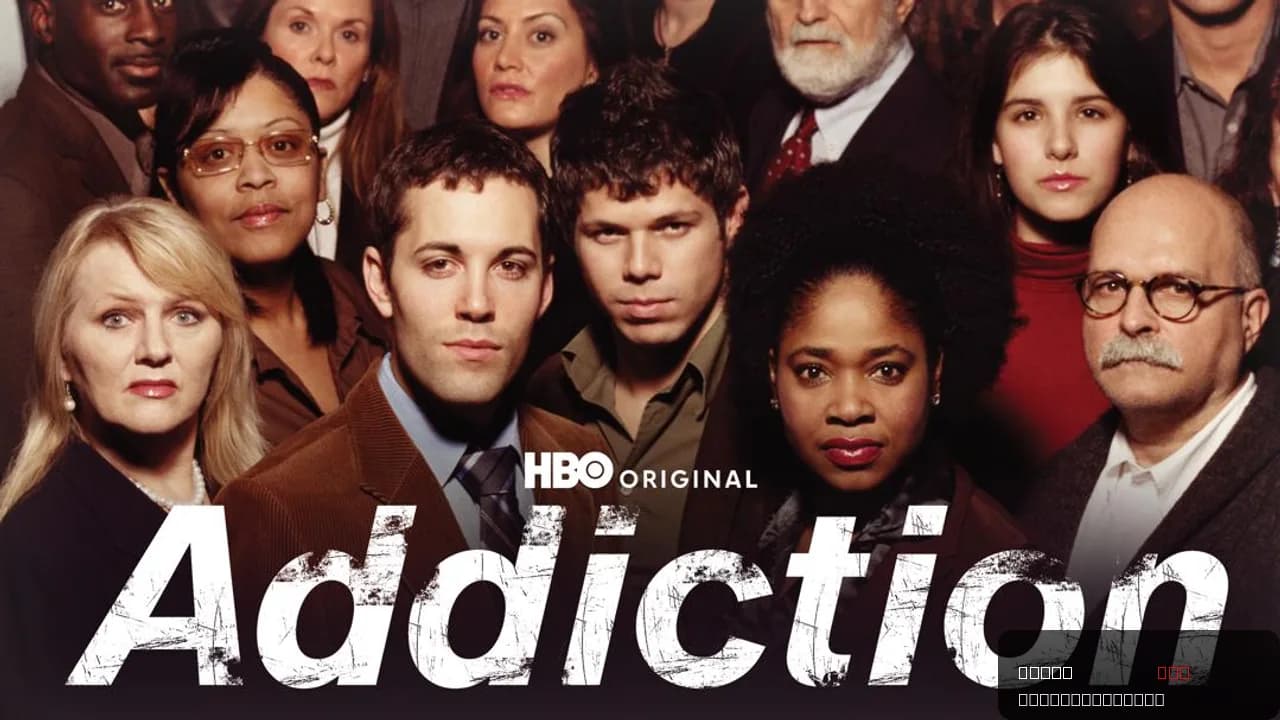
What Addiction (2007) Is Really About
Addiction isn't your typical talking-heads documentary. Released in 2007 as the centerpiece of HBO's broader "Addiction" campaign, this 86-minute film brings together perspectives from leading experts, treatment specialists, and people living with substance dependence to map the landscape of drug and alcohol abuse in America. The film doesn't lecture. Instead, it weaves together clinical research, personal stories, and hard-won wisdom from the front lines of recovery—showing how addiction isn't a moral failing but a neurological condition that hijacks the brain's reward systems.
What's striking is how the film positions addiction not as a character flaw but as a complex disorder involving brain chemistry, social environment, and individual vulnerability. You'll encounter neuroscientists explaining how cocaine and opioids reshape neural pathways, therapists breaking down relapse cycles, and individuals describing the moment their substance use crossed from recreation into compulsion. The film doesn't shy away from the messiness either—the failed attempts, the families fractured by addiction, the way recovery isn't linear. It's a documentary that respects the viewer's intelligence and refuses easy answers.
Behind the Making of Addiction (2007)
The filmmaking pedigree here is staggering. HBO assembled seven legendary documentary directors—D.A. Pennebaker (the architect of modern documentary cinema, famous for Don't Look Back), Chris Hegedus, Barbara Kopple (two-time Academy Award winner), Jon Alpert, Susan Froemke, Eugene Jarecki (Why We Fight), Albert Maysles (the Maysles brother who practically invented observational documentary), and Liz Garbus. This wasn't a single director's vision but a true collaboration, with each filmmaker contributing their distinct sensibility and technical mastery to create something larger than any one voice could achieve.
The decision to assemble this supergroup reflected HBO's commitment to treating addiction as a subject worthy of cinema's highest art form. Rather than producing a clinical educational film, the network trusted these artists to bring narrative sophistication, visual poetry, and emotional depth to the material. The result was a documentary that could play in film festivals and on premium cable without compromise. While the film didn't generate major box-office numbers—it's a documentary, after all—it became a touchstone in how serious media outlets approached substance abuse storytelling. The IMDb rating of 5.8/10 reflects a somewhat divided critical response, with some viewers finding the multi-director approach occasionally uneven in pacing, though others praised the stylistic variety as a strength.
HBO's broader "Addiction" initiative included this centerpiece film alongside other programming, positioning the network as willing to tackle complex public health issues with artistic rigor. That commitment matters when you're trying to reach audiences beyond the usual documentary circuit.
Why Addiction (2007) Stands Apart as Documentary Filmmaking
What makes Addiction work—when it works—is the refusal to separate the brain science from the human reality. Most documentaries about substance abuse tip into either clinical detachment or melodrama. This film resists both. You'll watch a neuroscientist explain how dopamine dysregulation creates cravings that feel as real as hunger, and then you'll hear someone in recovery describe exactly what that feels like in their body. The gap between those two accounts isn't a flaw; it's the film's core insight.
The directors bring their individual strengths to bear in ways that feel purposeful rather than scattered. Pennebaker's observational eye catches the quiet moments—a therapy session where someone finally admits they can't stop, the pause before relapse. Kopple's experience documenting labor struggles and social movements brings a political dimension, asking how addiction intersects with poverty, healthcare access, and systemic inequality. Jarecki's interest in how institutions shape behavior comes through in scenes examining treatment infrastructure and criminal justice responses.
I keep coming back to how the film treats recovery not as an ending but as an ongoing negotiation with the brain's altered reward systems. That's honest filmmaking. It doesn't promise cure-all solutions or suggest that willpower alone solves addiction—a misconception that's cost countless lives. Instead, it presents recovery as possible, hard-won, and dependent on understanding the neurological realities you're fighting against. The specific scenes showing different treatment modalities—medication-assisted therapy, cognitive behavioral work, community support—give viewers a sense of the toolkit without overselling any single approach.
Where to Stream Addiction Online
Addiction is currently available on Prime Video, making it accessible to anyone with an Amazon subscription. If you're planning to watch, carve out an uninterrupted 86 minutes—this isn't a film that plays well as background viewing. The documentary demands your attention, and it rewards it. Movie OTT tracks current streaming availability across major platforms, so if you're wondering where a particular title lives, you can check there rather than hunting across five different apps. For this particular film, Prime Video is your destination.
The film's availability on a mainstream streaming service (rather than locked behind a premium HBO subscription) speaks to how the documentary world has democratized over the past decade. When Addiction premiered in 2007, HBO was the gatekeeper. Now, quality documentaries reach audiences through multiple channels. That's a win for public health messaging, since a documentary about addiction can't reach people if it's hidden behind paywalls.
Frequently asked questions
Q: Who directed Addiction (2007)?
The film was directed by seven legendary documentary filmmakers: D.A. Pennebaker, Chris Hegedus, Barbara Kopple, Jon Alpert, Susan Froemke, Eugene Jarecki, Albert Maysles, and Liz Garbus. It was assembled as a collaborative centerpiece for HBO's broader "Addiction" campaign.
Q: How long is Addiction?
The film runs 86 minutes, making it digestible as a single viewing while still covering significant ground on neuroscience, treatment, and personal testimony.
Q: What's the IMDb rating for Addiction (2007)?
The film holds a 5.8/10 rating on IMDb, reflecting mixed critical response—some viewers found the multi-director approach uneven, while others appreciated the stylistic variety.
Q: Is Addiction based on a true story?
Addiction is a documentary featuring real experts, treatment specialists, and individuals with lived experience of substance dependence. It's not a narrative film, so it's entirely grounded in actual research and testimony.
Q: Where can I watch Addiction right now?
Addiction is currently streaming on Prime Video. Check the "Where to Watch" widget at the top of this page for the most up-to-date platform availability.
Final Thoughts on Addiction (2007)
Addiction isn't a feel-good documentary, and it isn't designed to be. It's a serious, often difficult examination of a public health crisis that touches millions of families. But that's precisely why it matters. If you're interested in understanding how addiction works—not as a moral problem but as a neurological one—or if you're supporting someone navigating recovery, this film offers clarity without condescension. The seven-director approach, while occasionally uneven, brings multiple perspectives to bear on a problem that doesn't have a single solution. It's the kind of documentary that sticks with you, that changes how you think about substance dependence and what recovery actually requires. Worth your time.