




Unpacking the Violent Narrative of Africa Blood and Guts
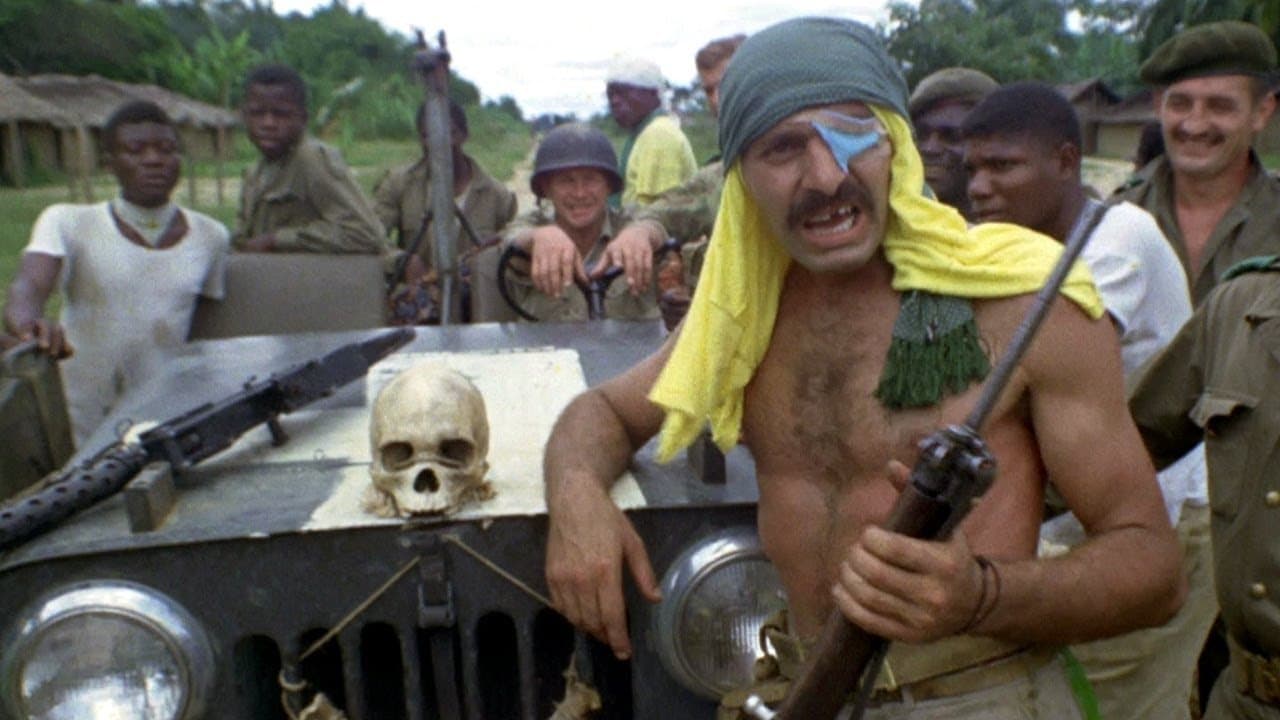
Africa Blood and Guts throws audiences headfirst into the tumultuous landscape of the African continent during the 1960s, a period defined by seismic shifts as nations wrestled free from colonial dominion. This 1966 documentary, with its chillingly direct title, chronicles the widespread violence that accompanied these transitions, often focusing on the chaotic political upheavals that erupted as new forms of governance struggled to take root. Viewers are presented with stark footage of revolutions in places like Zanzibar and Kenya, where thousands tragically lost their lives amidst the struggle for power and identity. But the film’s scope isn't limited to human conflict; it also documents the brutal reality of hunters and poachers, extensively showing the slaughter of various wild animals. It's a raw, unfiltered look at a continent in flux.
The Controversial Genesis of Africa Blood and Guts
The 1966 production Africa Blood and Guts emerged from the controversial minds of Italian co-directors, co-editors, and co-writers Gualtiero Jacopetti and Franco E. Prosperi, a duo already infamous for pioneering the "Mondo" documentary genre. Their earlier work, the 1962 sensation Mondo Cane, had established their reputation for presenting shocking, often sensationalized, ethnographic footage from around the globe. This follow-up, produced by Cineriz, solidified their unique, confrontational style. With music composed by Riz Ortolani, who also worked on Mondo Cane, the film maintains a distinctive—and often unsettling—auditory backdrop to its graphic visuals. Clocking in at a substantial 138 minutes, Africa Blood and Guts isn't a brief exposé; it's a prolonged immersion into the harsh realities it depicts. While the film didn't garner traditional awards or massive box office success in the way mainstream features might, its impact was profound and, honestly, enduringly divisive. Its IMDb rating of 6.245/10 reflects a deeply split audience, a common thread for films in the Mondo Cane Collection franchise. The official tagline, "Every Scene Looks You Straight in the Eye... and Spits!", perfectly encapsulates the film's aggressive, unapologetic stance.
The Enduring, Difficult Legacy of Africa Blood and Guts
What makes Africa Blood and Guts such a challenging yet compelling piece of cinema, even over 50 years after its release? Part of its power lies in its sheer audacity. At a time when much of the Western media's gaze was fixed firmly on the Vietnam War, Jacopetti and Prosperi were among the very few documenting the brutal unrest accompanying Africa's decolonization. This isn't just a historical document; it’s a visceral experience. Viewers often describe it as "brutally graphic," a harrowing chronology that doesn't shy away from depicting human death and animal cruelty with unflinching directness. As Variety noted in a contemporary review, "the film's relentless parade of savagery tested the limits of audience endurance." I keep coming back to the idea that despite its often "tongue-in-cheek" narrative approach and occasionally disjointed structure—a common characteristic of the Mondo genre, it's true—the film still manages to convey a profound sense of the chaos and despair of the era. Its raw, unvarnished portrayal of violence, both political and environmental, makes it an incredibly difficult film to watch for many. But that's precisely why it resonates with others, offering a window into a period of history rarely seen with such immediacy. It's a film that demands a strong stomach, but for those willing to engage, it offers an unparalleled, if deeply uncomfortable, look at a pivotal moment.
Finding Africa Blood and Guts on Your Favorite Streaming Services
For those ready to confront the powerful and often disturbing imagery of Africa Blood and Guts, you'll be pleased to know that this significant, albeit controversial, documentary is currently accessible on major OTT services. Movie OTT's mission is to help you find precisely where to watch films like this, ensuring you don't miss out on important cinematic experiences, no matter how challenging. To see a comprehensive, up-to-the-minute list of every platform where Africa Blood and Guts is streaming right now, simply refer to the "Where to Watch" widget located at the top of this page. We've done the legwork, so you can spend less time searching and more time watching. Whether you prefer a subscription service or a rental, Movie OTT tracks current streaming availability across a wide array of options, making it easy to dive into this historical record.
Frequently asked questions
Q: Who directed Africa Blood and Guts? A: Africa Blood and Guts was co-directed, co-edited, and co-written by the Italian filmmaking duo Gualtiero Jacopetti and Franco E. Prosperi. They were renowned for their work in the Mondo documentary genre.
Q: When was Africa Blood and Guts originally released? A: This impactful documentary film made its debut in 1966. Its release captured a tumultuous period in African history, providing a stark chronicle of decolonization.
Q: What is the official tagline for Africa Blood and Guts? A: The film's official tagline is strikingly provocative: "Every Scene Looks You Straight in the Eye... and Spits!" It perfectly sets the tone for the film's confrontational style.
Q: Is Africa Blood and Guts part of a larger film series? A: Yes, Africa Blood and Guts is indeed a part of the established Mondo Cane Collection. It follows in the footsteps of Jacopetti and Prosperi's earlier, groundbreaking 1962 film, Mondo Cane.
Q: Where can I watch Africa Blood and Guts online? A: Africa Blood and Guts is currently available to stream on major OTT services. For the most current and complete list of platforms where you can watch it, check the "Where to Watch" widget on Movie OTT.
Considering the Impact of Africa Blood and Guts
Ultimately, Africa Blood and Guts isn't for everyone. It's a film that challenges, disturbs, and provokes, rather than entertains in a conventional sense. But for those interested in a raw, historically significant, and deeply unsettling look at a pivotal moment in African history—the violent aftermath of colonial rule and the brutal realities of both human and animal conflict—this 1966 documentary is essential viewing. It's a testament to the power of cinema to document uncomfortable truths, even if those truths are presented through a lens that’s been debated for decades. A difficult watch? Absolutely. But an important one, too.