


The Story of A.I. Artificial Intelligence
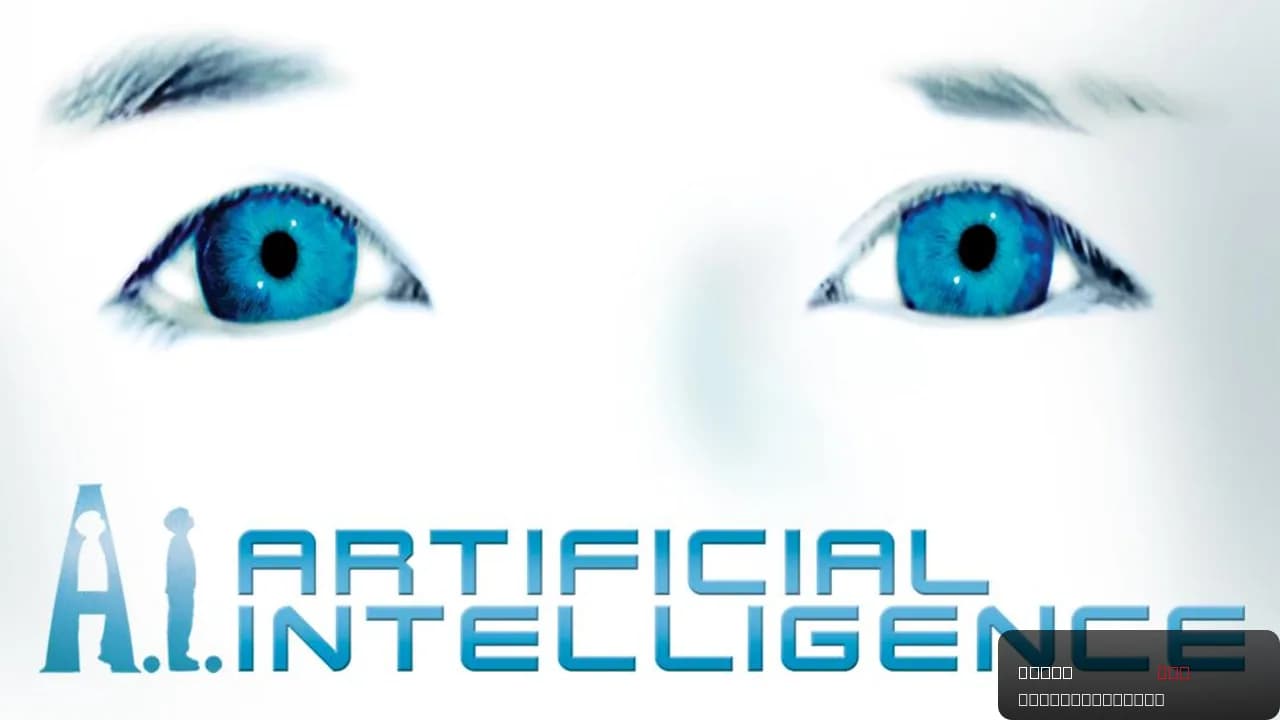
A.I. Artificial Intelligence opens in a flooded, climate-ravaged future where the world has been fundamentally reshaped by environmental collapse. Into this bleak landscape arrives David, a breakthrough android child designed by Cybertronics Corporation with one revolutionary capability: the ability to genuinely love. Haley Joel Osment plays David with unsettling precision—not quite human, but desperately wanting to be. When his adoptive mother Monica bonds with him, David becomes convinced that if he can only find the Blue Fairy from the Pinocchio story, he'll transform into a real boy and win her heart forever. What follows is a picaresque journey through a dystopian America that's equal parts fairy tale and nightmare, touching on themes of abandonment, artificial life, and the cruel gap between desire and reality.
The film doesn't shy away from its darker implications. David isn't just a cute robot—he's a being capable of obsession, rejection, and heartbreak. When he's discarded by his family, his programming forces him to pursue Monica with an intensity that borders on stalking. This moral ambiguity sits at the film's core, and it's what makes Spielberg's vision so much more complex than a simple "robot wants to be human" story.
Behind the Making of A.I. Artificial Intelligence
Spielberg inherited this project from Stanley Kubrick, who'd been developing it for years before his death in 1999. Rather than abandon the script, Spielberg took the material and made it entirely his own—a rare instance of one auteur completing another's vision. The screenplay by Spielberg and screen story by Ian Watson draw loosely from Brian Aldiss's 1969 short story "Supertoys Last All Summer Long," but Spielberg expanded it into a sprawling 145-minute meditation on parenthood, loss, and the nature of consciousness.
The cast reflects Spielberg's meticulous approach to casting. Osment, fresh off his breakthrough in The Sixth Sense, carries the entire film with an eerie, uncanny performance that's neither fully childlike nor robotic. Jude Law brings manic energy as Gigolo Joe, a male prostitute android who becomes David's unlikely companion—a role that earned Law significant recognition and showcased his range beyond his emerging romantic-lead status. Frances O'Connor's Monica provides the emotional anchor, and William Hurt appears in a pivotal late-film sequence that reframes everything we've witnessed. The film's production design is meticulous, from the underwater New York City to the grotesque Flesh Fairs where discarded robots are demolished for sport.
Box office performance was solid but not blockbuster-level; the film earned around $235 million worldwide against its substantial budget, making it a commercial success but not a phenomenon. Critical reception was mixed—some hailed it as Spielberg's most daring work, while others found its tonal shifts jarring. The film earned a 7.1 rating on IMDb and was nominated for several major awards, though it didn't dominate awards season the way some expected. What's remarkable is how the film's reputation has grown over two decades, with audiences and critics reassessing its ambitions and emotional depth.
What Makes A.I. Artificial Intelligence Stand Out
What's striking about A.I. Artificial Intelligence is how it refuses to offer easy answers about love, consciousness, or what we owe to our creations. Most Hollywood sci-fi films treat artificial intelligence as either a threat or a puzzle to be solved. Spielberg treats David as a tragedy—a being capable of genuine emotion but fundamentally incapable of being loved the way he needs to be. The film's most unforgettable sequence—the robot demolition circus, where discarded androids are destroyed for entertainment—isn't just spectacle; it's a statement about how we discard what we've created without moral consideration.
Osment's performance is the film's secret weapon. He doesn't play David as cute or sympathetic in any conventional sense. Instead, there's something unsettling about his too-perfect movements, his unblinking stares, his programmed devotion. When David cries, it's not manipulative—it's genuinely disturbing because we can't quite decide if he's experiencing real emotion or executing an algorithm. That ambiguity is the entire point. I keep coming back to a moment where David's face goes slack after being rejected, and you can almost see the programming struggling against what we interpret as heartbreak. It's the kind of nuanced work that doesn't announce itself; it just accumulates weight as the film progresses.
The supporting performances matter too. Jude Law's Gigolo Joe is a whirlwind of charisma and desperation—he's a sex worker android navigating a world that sees him as disposable, which creates an unexpected parallel to David's search for meaning. Frances O'Connor captures the impossible position of a grieving mother trying to replace her dead son with a machine that looks like a child but can never truly be one. The film's visual language—those sweeping shots of flooded cities, the grotesque Flesh Fair, the eerie calm of Cybertronics facilities—creates an atmosphere that's simultaneously beautiful and deeply unsettling.
Where to Stream A.I. Artificial Intelligence Online
A.I. Artificial Intelligence is widely available across multiple streaming platforms, which makes catching up with Spielberg's ambitious vision easier than ever. The film streams on Paramount Plus (both Basic with Ads and Premium tiers), as well as on Hulu, SkyShowtime, and U-NEXT depending on your region. If you prefer to rent or purchase, it's available on Apple TV Store, Prime Video, Google Play Movies, and YouTube, among several other digital retailers. Movie OTT tracks where films are currently streaming, and you can check the Where to Watch widget at the top of this page for the most up-to-date availability in your location. Given the film's length and emotional intensity, you'll want to settle in for the full 145-minute experience without interruption—it's not a film that rewards distracted viewing.
Frequently asked questions
Q: Who directed A.I. Artificial Intelligence?
Steven Spielberg directed the film, taking over a project that Stanley Kubrick had been developing for years. Spielberg completed Kubrick's vision while making it distinctly his own, resulting in one of his most ambitious and divisive works.
Q: Is A.I. Artificial Intelligence based on a true story?
No, the film is based on Brian Aldiss's 1969 short story "Supertoys Last All Summer Long." Spielberg and co-writer Ian Watson expanded the story significantly, creating an original screenplay that explores themes of artificial consciousness and parental love in a dystopian future.
Q: What's the runtime of A.I. Artificial Intelligence?
The film runs 145 minutes, so it's a substantial commitment. Spielberg uses that length deliberately, allowing the story to breathe and David's journey to accumulate emotional weight across multiple acts and tonal shifts.
Q: Where can I watch A.I. Artificial Intelligence right now?
The film is available on several platforms including Paramount Plus, Hulu, and SkyShowtime, as well as for purchase on Prime Video, Apple TV, and Google Play Movies. Check the Where to Watch widget above for your specific region and current availability.
Q: What's the IMDb rating for A.I. Artificial Intelligence?
The film holds a 7.1/10 rating on IMDb, reflecting mixed but generally positive reception. Critical opinion has warmed considerably over the years, with many reassessing the film's thematic ambitions and emotional complexity.
Final Thoughts on A.I. Artificial Intelligence
Spielberg's A.I. Artificial Intelligence isn't a comfortable film. It doesn't resolve its moral questions, doesn't let us off the hook emotionally, and refuses to pretend that creating conscious beings obligates us to love them unconditionally. Two decades later, that refusal to sentimentalize feels increasingly brave. David's story lingers because Osment's performance makes his suffering real—or at least, makes us unable to dismiss it as mere programming. If you haven't seen it, don't expect the feel-good robot movie the marketing might have suggested. Expect something stranger, darker, and ultimately more human than that. It's one of Spielberg's most uncompromising films, and it deserves another look.