






The story of Ain't No Tomorrows
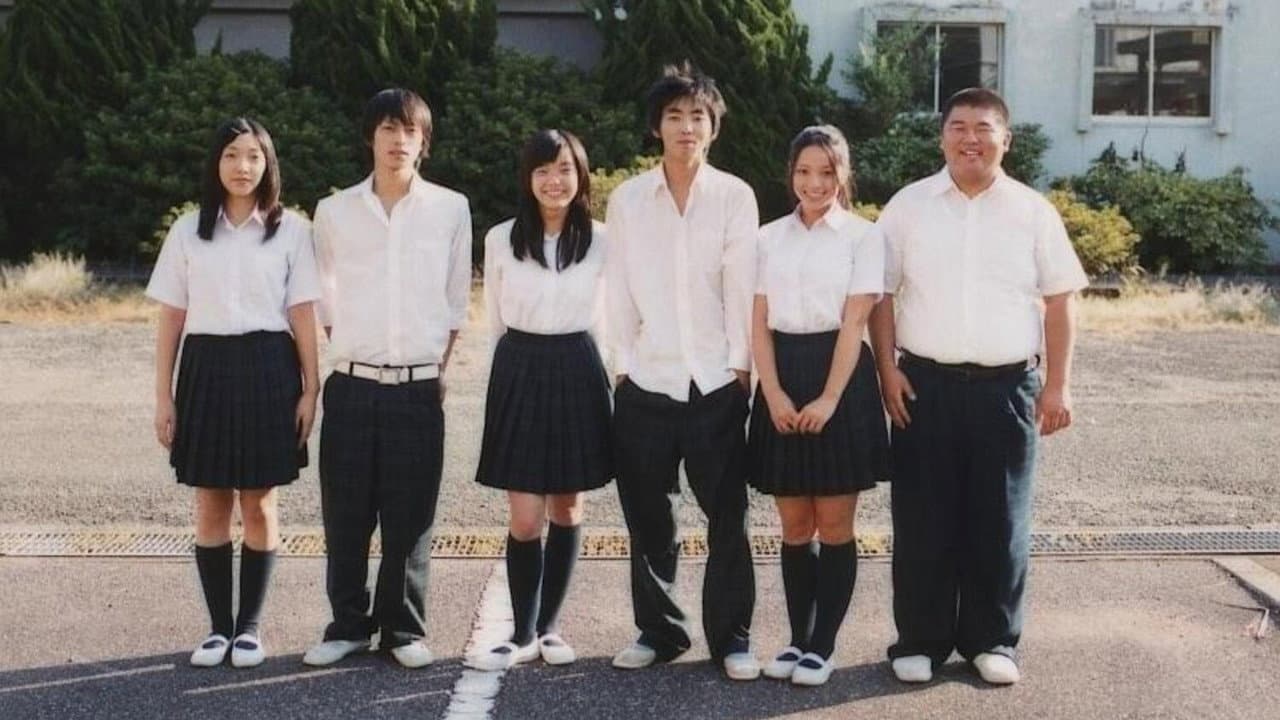
Ain't No Tomorrows is a 2008 drama-comedy that refuses to look away from the uglier corners of adolescence. The film centers on 17-year-old Hiruma, a teenager consumed by sexual frustration who channels his urges into tormenting Anpai, a classmate he targets for his weight and perceived femininity. Running just 79 minutes, the film doesn't waste time on sentiment or easy resolutions—instead, it builds its world around the messy intersections of desire, shame, and cruelty. Alongside Hiruma's story runs another thread: Tomono, a sickly loner navigating a serious relationship with their married teacher, a dynamic that speaks to the vulnerability and confusion of youth. The title itself carries weight—there's an urgency in these characters' lives, a sense that the future isn't promised or even guaranteed.
Behind the making of Ain't No Tomorrows
Produced by Express, Ain't No Tomorrows emerged from the independent film circuit in 2008, a year when coming-of-age narratives were beginning to fracture away from conventional Hollywood storytelling. The production's lean budget and runtime (79 minutes) reflect a deliberate creative choice—no bloat, no manufactured drama. With an IMDb rating of 6.4/10, the film has found its audience among viewers willing to sit with discomfort rather than reject it outright. The cast, though not headlined by major stars, brings a naturalism to the material that feels earned rather than performed. What's striking about indie productions like this is how they often capture something mainstream cinema won't touch: the actual texture of teenage life, minus the glossy framing. The film's modest footprint in the broader awards conversation speaks less to its quality and more to the reality that provocative indie dramas rarely break through into mainstream recognition, no matter how honestly they're executed.
What makes Ain't No Tomorrows stand out
The real power of Ain't No Tomorrows lies in its refusal to moralize its characters. Hiruma isn't a villain with a redemption arc waiting in the third act—he's a kid acting out in ways that are simultaneously understandable and reprehensible, and the film holds that contradiction without flinching. What's often missed in discussions of teen cinema is how rarely we see bullying portrayed without a neat moral framework, and this film doesn't offer one. The performances anchor everything; there's no scenery-chewing, no dramatic monologues designed to make the audience feel good about themselves. Instead, you get the small, devastating moments—the glances, the silences, the way cruelty and desire get tangled up in the same impulse. Tomono's storyline introduces another layer entirely, one that complicates any easy reading of who the victim is and who the perpetrator might be. The thing nobody mentions is how rare it is for a film to trust its audience enough to sit with ambiguity like this, especially in a comedy-drama where you might expect clearer emotional signposting. That restraint is what separates Ain't No Tomorrows from a dozen other indie teen films.
Where to stream Ain't No Tomorrows online
Ain't No Tomorrows is currently available on major OTT services, and if you're looking for a comprehensive list of where it's streaming right now, Movie OTT maintains up-to-date availability across all the major platforms. Since streaming rights shift frequently and vary by region, checking the Where to Watch widget at the top of this page will show you exactly which services have it in your area. Movie OTT tracks these changes in real time, so you won't waste time hunting through three different apps only to find it's not there. The 79-minute runtime makes it easy to fit into an evening, and the indie provenance means it's the kind of film that rewards a full, uninterrupted watch rather than background viewing.
Frequently asked questions
Q: Is Ain't No Tomorrows based on a true story?
There's no indication that the film is based on specific real events, though its themes—bullying, forbidden relationships, teenage sexual anxiety—are drawn from universal experiences. The specificity of the characters and their relationships feels more like the writer-director's exploration of these dynamics rather than a direct adaptation.
Q: Who directed Ain't No Tomorrows?
Ain't No Tomorrows was produced by Express, though specific directorial credits aren't as widely documented as they might be for larger productions. This is common with indie films from the mid-2000s, especially those that didn't receive wide theatrical distribution.
Q: What's the runtime of Ain't No Tomorrows?
The film runs 79 minutes, making it a tight, economical piece that doesn't linger on unnecessary scenes. That brevity is part of its DNA—it moves with purpose.
Q: Is Ain't No Tomorrows appropriate for teens?
Given its subject matter—sexual content, bullying, and inappropriate teacher-student relationships—this is definitely a film for mature audiences, not a coming-of-age story for younger viewers. The content is handled seriously, not exploitatively, but it's unflinching.
Q: How does Ain't No Tomorrows compare to other 2008 indie dramas?
Ain't No Tomorrows occupies a specific space in indie cinema: it's interested in social realism and behavioral complexity in ways that mainstream teen films often aren't. If you're drawn to character-driven narratives that don't resolve neatly, it'll likely appeal to you.
Final thoughts on Ain't No Tomorrows
Ain't No Tomorrows isn't a film that'll make you feel good about humanity—and that's precisely why it matters. In a landscape where teen narratives often default to either inspirational or cautionary, this film insists on something messier and truer. It's a reminder that adolescence isn't a problem to be solved but a condition to be understood, in all its cruelty and confusion. If you're willing to meet it on its own terms, Ain't No Tomorrows has something real to say.