Exploring the Curious World of Jonathan Miller's Alice in Wonderland (1966)
The 1966 BBC television play, Alice in Wonderland, offers a fascinatingly distinct take on Lewis Carroll's timeless narrative. Directed by Jonathan Miller, a figure then primarily recognized for his sharp wit in the satirical revue Beyond the Fringe, this adaptation steps away from the overtly whimsical or saccharine interpretations often associated with Alice's adventures. Instead, it immerses viewers in a subtly disquieting dreamscape, following young Alice as she tumbles into a fantastical realm beneath the earth. Here, the familiar parade of eccentric characters — from the White Rabbit to the Mad Hatter and the formidable Queen of Hearts — are encountered through a lens that prioritizes psychological nuance over pure spectacle. It’s an exploration of childhood perception, curiosity, and the sometimes-unsettling logic of dreams, all unfolding over a concise 72 minutes.
Behind the Scenes of the BBC's 1966 Alice in Wonderland Production
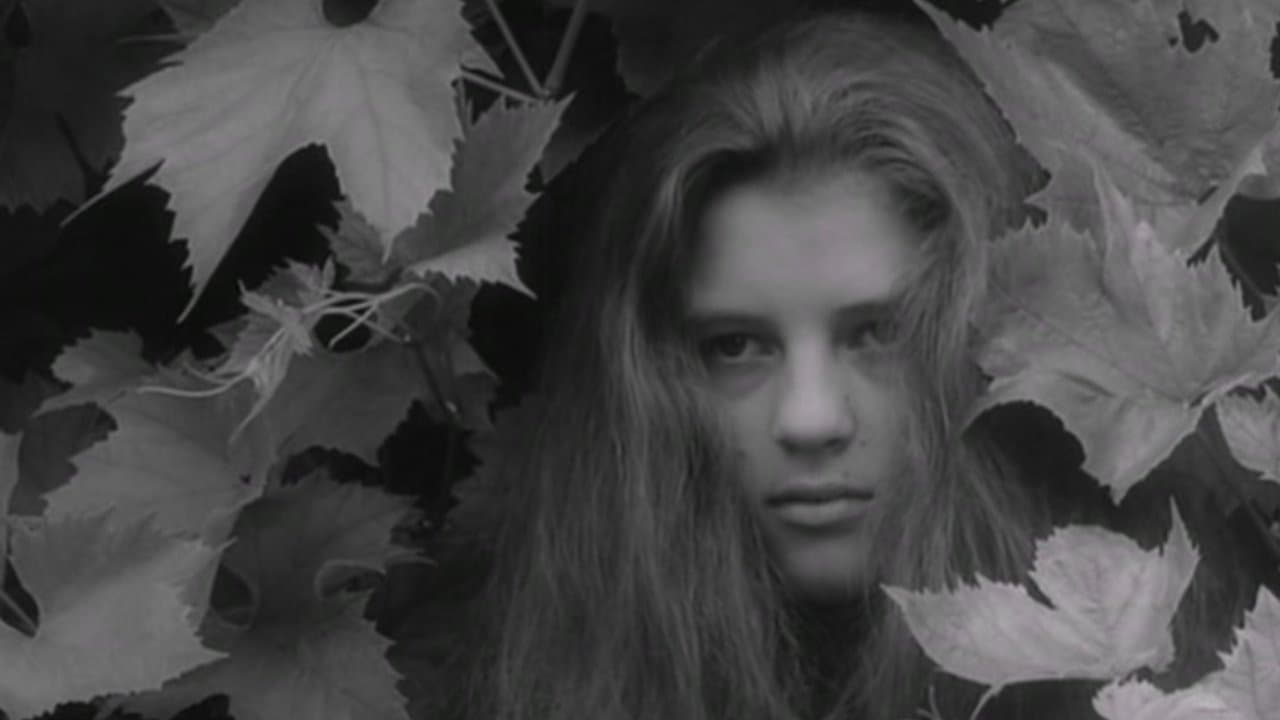
The genesis of the 1966 BBC television play, Alice in Wonderland, lies firmly in the hands of Jonathan Miller, who not only directed but also adapted and produced this unique interpretation. Miller, at the time, wasn't a conventional filmmaker; his public persona was more aligned with intellectual satire, particularly from his role in the acclaimed Beyond the Fringe. This background, honestly, shaped the entire production. He approached Carroll's material not as a fairy tale to be faithfully recreated with elaborate costumes and sets, but as a psychological journey, stripping away much of the overt fantasy for a more grounded, almost surreal realism. The decision to shoot on film, rather than videotape, lent a cinematic quality to the production, distinguishing it from many contemporary television plays and enhancing its dreamlike atmosphere. Just mood.
It’s interesting to note that while many adaptations lean into grand visual effects, Miller's version used minimal, often stark, design choices to create its world — it was about mood. The cast, though not a parade of household names at the time, delivered performances that were often understated yet deeply effective, contributing to the film's eerie, introspective tone. The film's runtime clocks in at a lean 72 minutes, making it a relatively swift yet impactful viewing experience. While Alice in Wonderland (1966) didn't receive widespread theatrical release or major awards — it was a television play, after all — its enduring legacy is primarily among critics and enthusiasts who appreciate its unconventional approach. Its IMDb rating stands at a respectable 5.9/10, a figure that, while not blockbuster territory, reflects its niche appeal and the polarized reactions it can elicit. For those interested in the broader context of its streaming availability, Movie OTT provides a comprehensive guide to where you can find this and other classic titles.
What Makes Jonathan Miller's Alice in Wonderland (1966) a Distinctive Adaptation
Jonathan Miller's Alice in Wonderland (1966) stands out from the myriad adaptations of Carroll's classic precisely because of its willingness to challenge expectations. This isn't your vibrant, singing Disney version; it’s something far more subtle, more unsettling. What's striking is Miller's deliberate choice to cast adult actors in many of the animal roles, often in period costume, rather than relying on elaborate prosthetics or animation. The characters aren't fantastical beasts; they