




Unpacking the Forbidden Romance in All Things Fair
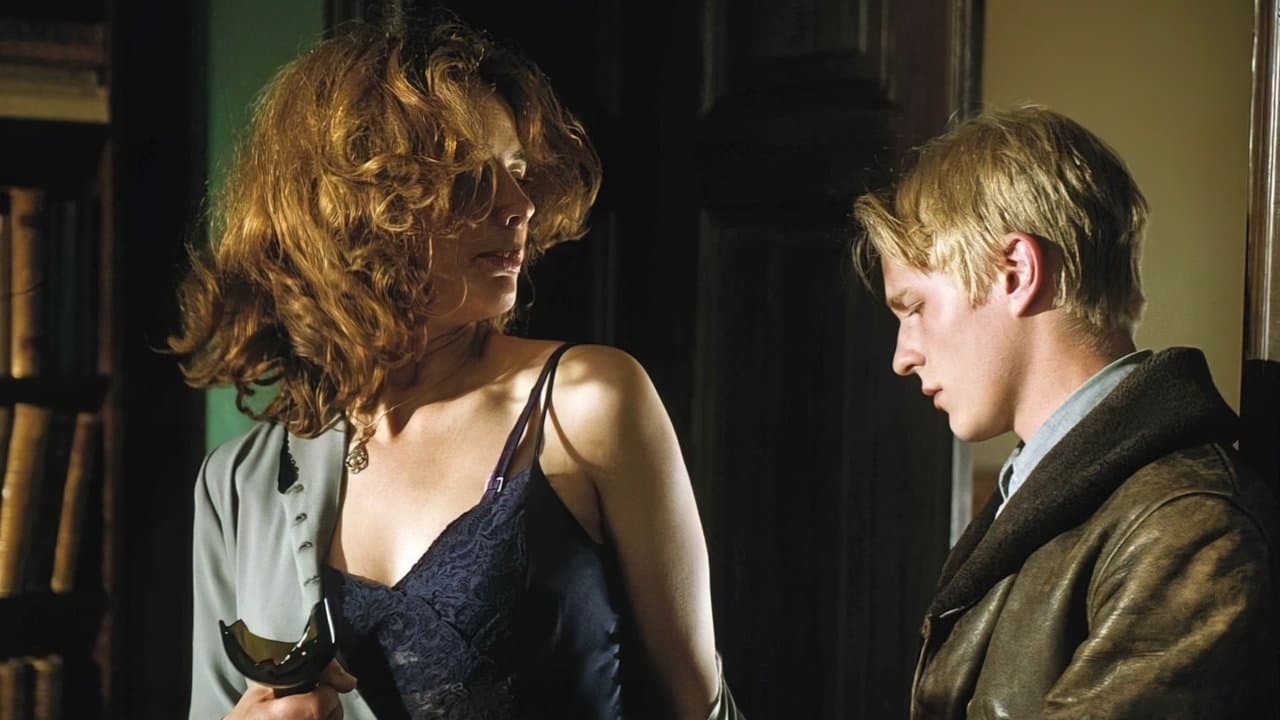
All Things Fair, Bo Widerberg's evocative 1995 drama, transports audiences to Malmö, Sweden, in the midst of World War II, a setting that adds an undercurrent of global tension to intensely personal struggles. Here, we meet Stig, a bright but naive 15-year-old student, whose youthful curiosity soon fixates on his captivating teacher, Viola. Their connection, however, quickly transcends the typical student-teacher dynamic. Viola, trapped in a suffocating marriage to a philandering, alcoholic husband, finds herself drawn to Stig's innocence and burgeoning passion. She sees in him a desperately needed escape, a beacon of light in her otherwise desolate existence. What begins as an innocent fascination soon blossoms into a deeply illicit and emotionally charged affair, challenging both their lives and the rigid social norms of the era.
The Craft and Vision Behind All Things Fair's Production
All Things Fair holds a special place in cinematic history as the final film from acclaimed Swedish writer and director Bo Widerberg. A deeply personal project, it saw Widerberg cast his own son, Johan Widerberg, in the pivotal role of the young Stig, bringing an undeniable layer of authenticity and familial understanding to the character's portrayal. Opposite him, Marika Lagercrantz delivers a compelling performance as Viola, the conflicted teacher. The film's original Swedish title, "Den blomstertid nu kommer" (meaning "The time of blossoms now is coming"), is taken from a traditional Swedish hymn sung in schools before summer holidays. It's a title that hints at both the fleeting nature of youth and the poignant, perhaps doomed, blossoming of an unconventional love, making it a truly poetic choice — one that resonates long after the credits roll.
The film was a collaborative European effort, produced by an impressive list of entities including Per Holst Filmproduktion, Det Danske Filminstitut, Nordisk Film & TV Fond, Svenska Filminstitutet, Egmont Film, TV 2, and SVT Drama. This broad backing allowed for a meticulous recreation of 1940s Malmö, lending the film a rich, authentic period feel that immerses the viewer completely. The attention to detail in costume, set design, and atmosphere is truly remarkable, helping to ground the story in its specific historical moment. While its IMDb rating stands at a respectable 6.4 out of 10, that number doesn't quite capture the film's profound emotional impact or its enduring legacy among fans of European art house cinema. It’s a film that asks uncomfortable questions, and it doesn't always provide easy answers.
Why All Things Fair's Performances and Themes Endure
What's striking about All Things Fair is its fearless exploration of a taboo relationship, refusing to sensationalize while still capturing its raw intensity. Bo Widerberg's direction is masterful, maintaining a delicate balance that allows audiences to empathize with both Stig and Viola, despite the inherent power imbalance. We see Stig's adolescent yearning, a mixture of genuine affection and youthful infatuation, and Viola's desperate craving for tenderness and escape from a brutal reality. Marika Lagercrantz, in particular, delivers a performance of incredible vulnerability and strength. Her portrayal of Viola's internal conflict — the guilt, the longing, the fleeting moments of joy amidst profound sadness — is simply captivating. Honestly, her quiet despair when her husband, Kjell, dismisses her feelings with a drunken wave of his hand, is haunting. Such pain.
Johan Widerberg, as Stig, perfectly embodies the awkwardness and burgeoning confidence of a young man discovering his sexuality and emotional depth. Their chemistry, though unsettling by conventional standards, feels authentic, driven by a mutual need for connection. The film doesn't shy away from the moral complexities, instead inviting viewers to grapple with the nuances of desire, consequence, and the search for warmth in a cold world, all while never quite letting us forget the larger historical forces at play. One critic, writing for Svenska Dagbladet, noted, "Widerberg crafts a narrative that is both deeply personal and universally resonant, exposing the human heart's capacity for both profound connection and devastating self-deception against an impeccably rendered wartime backdrop." The film’s pacing, deliberate and observational, allows these heavy themes to sink in, giving space to the characters' internal worlds. It's a quiet film, yet its emotional impact is anything but.
Where to Stream All Things Fair Online
For those eager to experience the compelling drama of All Things Fair, finding it streaming has never been easier. This powerful Swedish film is currently available across major OTT services, ensuring accessibility for a wide audience of cinephiles. To discover exactly where you can watch it right now, simply refer to the "Where to Watch" widget conveniently located at the top of this page. That widget provides up-to-the-minute information on all platforms hosting All Things Fair, whether you're looking to rent, buy, or subscribe. Movie OTT is dedicated to helping you find your next great watch, and we keep our listings updated so you don't have to hunt around. For comprehensive details on streaming availability for this and countless other titles, Movie OTT has you covered.
Frequently asked questions
Q: What is the runtime of All Things Fair?
A: All Things Fair has a runtime of 125 minutes, offering a substantial and immersive viewing experience. This allows ample time for the complex character developments and the nuanced exploration of its themes to unfold naturally.
Q: Who directed All Things Fair?
A: The film All Things Fair was written and directed by the acclaimed Swedish filmmaker Bo Widerberg. It holds particular significance as it was his final film before his passing.
Q: What year was All Things Fair released?
A: All Things Fair was released in 1995, capturing the historical period of World War II Malmö through a contemporary lens. Its release marked a notable moment in 90s European cinema.
Q: What is the IMDb rating for All Things Fair?
A: All Things Fair currently holds an IMDb rating of 6.4 out of 10. This rating reflects general audience reception for the drama, which often sparks varied opinions due to its controversial subject matter.
Who Should Watch All Things Fair?
If you're drawn to powerful, character-driven dramas that aren't afraid to confront uncomfortable truths, then All Things Fair is an absolute must-watch. It’s a film for those who appreciate nuanced storytelling, exceptional acting, and a historical backdrop that deepens the personal stakes. Viewers interested in European cinema, particularly Swedish films, or those who enjoy intense romantic dramas with a psychological edge, will find much to appreciate here. We at Movie OTT believe films like this offer more than just entertainment — they offer a window into complex human experiences. Don't miss the opportunity to delve into this poignant and often unsettling portrayal of forbidden love.