




The Story of American Nightmare
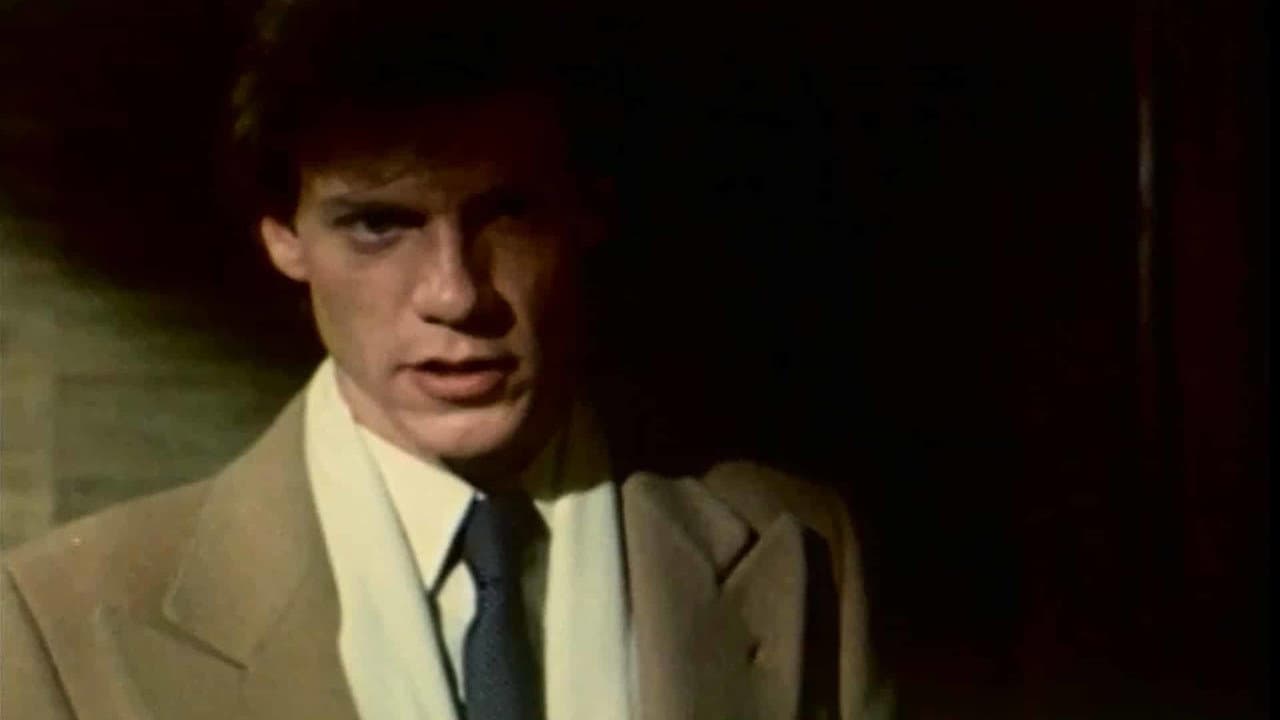
American Nightmare follows a successful pianist who's forced to abandon his comfortable life when his sister vanishes without a trace in the sprawling anonymity of the city. What begins as a simple missing-person case spirals into something far darker—a descent through layers of exploitation, blackmail, and murder that reveal how easily a person can disappear in plain sight. Working alongside his sister's roommate, he uncovers a trail that winds through the underbelly of urban sex work, incest, and organized crime. It's a film that doesn't flinch from its subject matter, instead using the protagonist's investigation as a window into a world most people prefer not to acknowledge.
The premise taps into a real anxiety that gripped American (and Canadian) cities throughout the late 1970s and early 1980s. Crime rates were climbing. Serial killers dominated the news cycle. Women, especially those working in sex trades, faced genuine danger with minimal protection or media attention. Director Don McBrearty and screenwriter John Sheppard didn't soften these realities for entertainment—they weaponized them, turning the investigation into a slow-burn horror that's as much about systemic indifference as it is about the killer himself.
Behind the Making of American Nightmare
American Nightmare emerged from Canadian production company Manesco Films and Mano Films in 1983, a period when the slasher genre was both saturated and evolving. The screenplay by John Sheppard, developed from a story by John Gault and Steven Blake, was born directly from the crime wave sweeping North American cities—filmmakers weren't inventing threats; they were documenting them through a genre lens. Director Don McBrearty brought a documentary-adjacent sensibility to the material, treating the sleaze and danger as documentary fact rather than exploitation fodder.
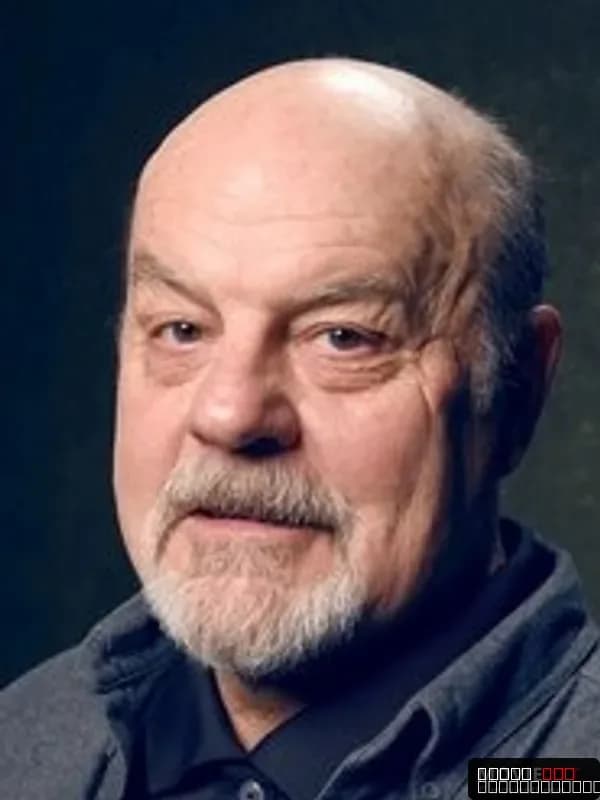
The cast featured Lawrence Day in the lead role as the pianist, with supporting performances from Lora Staley, Lenore Zann, and a young Michael Ironside—all of whom brought credibility to what could have been a disposable B-movie. But the real attention-getter was Alexandra Paul's feature film debut. Paul would go on to significant television work, but here she arrived fully formed, inhabiting her role with a presence that suggests why she'd become a recognizable name in horror and drama. The film runs 88 minutes, a tight runtime that keeps the investigation moving without padding. It's classified in the Horror, Crime, and Thriller genres—a hybrid that refuses to sit neatly in one category, much like the best genre films don't.
The production values reflect a mid-budget Canadian feature: not Hollywood slick, but competent and committed. What it lacks in polish it makes up for in atmosphere and willingness to go places mainstream American horror wouldn't. On Movie OTT, you can track where films like this ended up in the streaming ecosystem—and American Nightmare's journey to multiple platforms shows how even lower-profile genre films find their audience across different services.
What Makes American Nightmare Stand Out
Here's what's striking about American Nightmare: it refuses the comfort of moral simplicity. The sex workers aren't victims waiting to be saved by the male protagonist—they're people with agency, secrets, and culpability. The pianist isn't a white-knight hero; he's self-interested, often ineffectual, and frequently wrong about what he's investigating. This moral ambiguity was unusual for slashers in 1983, when the genre typically sorted characters into victims and villains with little nuance in between.
The performances anchor this complexity. Ironside, even in a supporting role, brings an unsettling intensity—you believe he could be the killer, or you don't, and the film keeps you uncertain. Day's pianist carries a mounting desperation that reads as genuine; he's not playing a detective, he's playing a man out of his depth, scrambling for answers in a world that doesn't care about his sister. What's remarkable is how the film trusts the viewer to sit with that discomfort rather than resolving it with a cathartic final confrontation.
The IMDb rating of 4.3/10 tells you something important: this isn't a film designed to please everyone. It's bleak, it's unglamorous, and it doesn't offer the satisfying narrative arc that mainstream audiences expect from thrillers. But that's precisely why it endures in genre circles. Critics and fans who appreciate horror that mirrors reality rather than escape from it recognize American Nightmare as a time capsule of urban paranoia—a film that understood that the real horror wasn't the killer, but the systems that allowed him to operate unchecked. I keep coming back to how it captures the indifference of institutions, how bureaucracy and apathy are as much the villain as any individual murderer.
Where to Stream American Nightmare Online
American Nightmare is currently available on major OTT services, making it accessible to anyone curious about early-1980s Canadian horror. Rather than hunting through multiple platforms individually, Movie OTT tracks current streaming availability across the major services, so you can see exactly where the film is playing right now without the guesswork. The "Where to Watch" widget at the top of this page lists every platform currently carrying the title, updated regularly as licensing agreements shift. This is one of those films that benefits from being discovered rather than sought out—it's the kind of title that rewards patient browsing, the sort of thing you stumble across and think, "Why haven't I heard of this?"
Frequently asked questions
Q: Who directed American Nightmare?
Don McBrearty directed the film, bringing a documentary-influenced sensibility to the slasher material. His approach treats the urban crime backdrop as authentic setting rather than mere backdrop.
Q: Is American Nightmare based on a true story?
No, it's not based on a specific true story, but it's deeply rooted in the real crime epidemic of the late 1970s and early 1980s. The screenplay was influenced by actual rising crime rates in American cities during that era, giving it a documentary-like urgency.
Q: What's the runtime of American Nightmare?
The film runs 88 minutes, a lean runtime that keeps the investigation moving without unnecessary padding or subplot distractions.
Q: Who stars in American Nightmare?
The cast includes Lawrence Day as the pianist protagonist, alongside Lora Staley, Lenore Zann, Michael Ironside, and Alexandra Paul in her feature film debut. Ironside's unsettling presence is particularly memorable.
Q: Why is American Nightmare rated so low on IMDb?
The 4.3/10 rating reflects that this is an uncompromising, bleak film that doesn't cater to mainstream expectations. It's deliberately unglamorous and morally complex, which alienates viewers looking for traditional thriller satisfaction—but that's exactly why it appeals to horror devotees and genre scholars.
Final Thoughts on American Nightmare
American Nightmare isn't easy viewing, and it wasn't designed to be. It's a film that asks uncomfortable questions about complicity, indifference, and the disposability of certain lives in urban society. The slasher framework gives it momentum and structure, but the real power comes from how seriously it takes its subject matter. If you're interested in horror that operates as social commentary rather than pure escapism, or if you're exploring the evolution of the slasher genre beyond the mainstream canon, this 1983 Canadian entry deserves your time. It's a film that respects your intelligence and your patience—and rewards both generously.