What American Pachuco: The Legend of Luis Valdez is really about
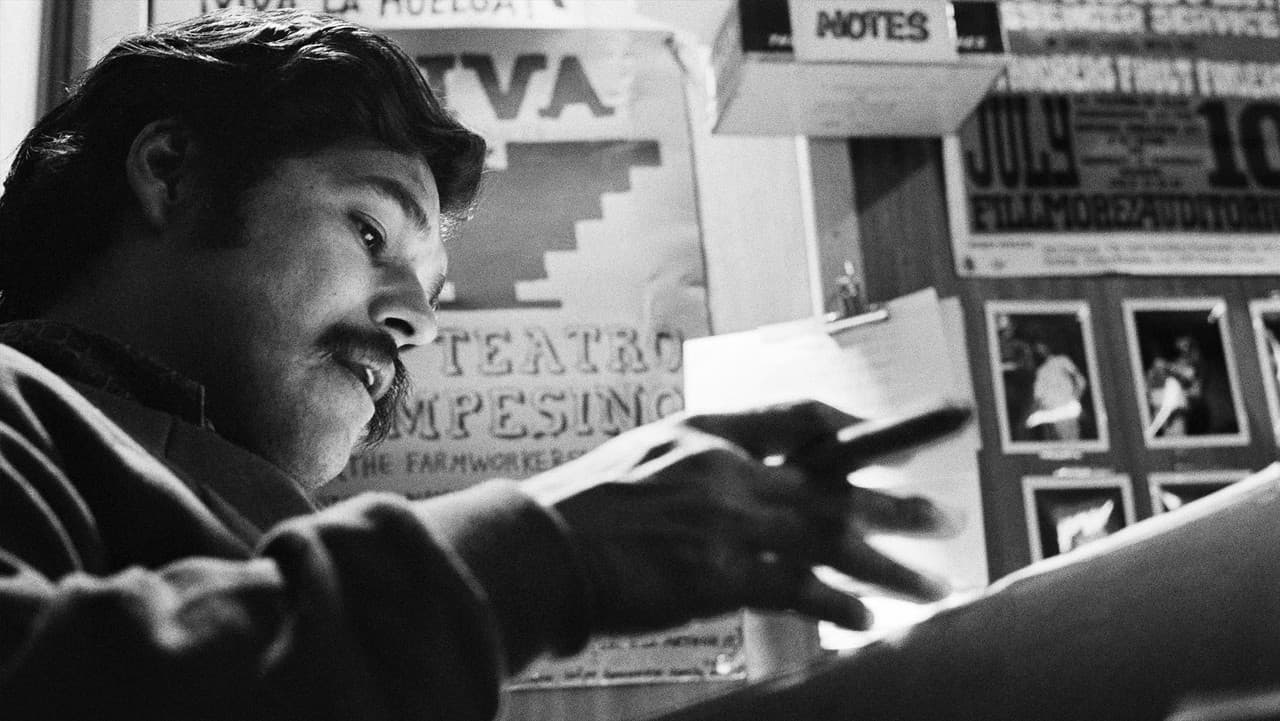
American Pachuco: The Legend of Luis Valdez is a 2026 documentary that tracks one of American theater's most consequential — and consistently undervalued — careers, from the dusty labor camps of California's Central Valley to the neon glow of a Hollywood premiere. Director David Alvarado frames Luis Valdez not just as an artist but as a combatant: someone who spent decades pushing against political resistance, industry indifference, and the quiet assumption that Chicano stories didn't belong on mainstream stages or screens. The film runs 92 minutes and doesn't waste a single one of them. It moves through Valdez's founding of El Teatro Campesino in the 1960s, his collaborations with César Chávez and the United Farm Workers, and the long, grinding road that eventually produced Zoot Suit — the first Chicano play to reach Broadway — and La Bamba, the 1987 biopic that introduced Ritchie Valens to a generation who'd never heard his name.
How American Pachuco: The Legend of Luis Valdez came together
The production behind American Pachuco: The Legend of Luis Valdez reads like a who's-who of serious documentary infrastructure. Insignia Films, ITVS, Firelight Media, Latino Public Broadcasting, American Masters Pictures, PBS, and JustFilms/Ford Foundation all had a hand in bringing it to screen — a coalition that signals both the film's ambition and the institutional weight behind it. That's not a casual lineup. Firelight Media has a long track record of centering underrepresented voices in documentary work, and American Masters Pictures, the documentary arm of PBS's long-running American Masters series, has previously profiled figures like James Baldwin, Toni Morrison, and Bob Dylan. Landing Luis Valdez in that company is itself a statement.
David Alvarado, who co-directed the acclaimed nature documentary The Biggest Little Farm (2018) before pivoting to this project, brings a cinematic eye that keeps the film from feeling like a standard archival clip reel. The production had access to rare footage from El Teatro Campesino's early performances, as well as what appear to be newly conducted interviews with Valdez himself and collaborators from across his career. Because the film was still in its early release window as of 2026, formal awards nominations hadn't been announced at the time of writing — though given the pedigree of its production partners and the American Masters platform, awards consideration during the documentary circuit seems likely. Hard to say if it'll break through in a crowded year, but the infrastructure is there.
The IMDb rating sits at 0/10 simply because user voting hadn't opened yet at the time this page was compiled — not a reflection of the film's reception.
Why American Pachuco: The Legend of Luis Valdez stands out from other music and theater docs
What's striking is how Alvarado resists the temptation to make Valdez a saint. The documentary is candid about the friction — the moments when Valdez's theatrical vision clashed with union politics, or when Hollywood's appetite for La Bamba came with strings attached that complicated the film's cultural authenticity. That tension is where the documentary earns its runtime.
The film's treatment of Zoot Suit is particularly sharp. The play's 1979 Broadway run was a landmark, but it also exposed Valdez to a critical establishment that wasn't always sure what to do with a work that blended corrido music, Brechtian staging, and the raw history of the 1943 Zoot Suit Riots — a moment in Los Angeles history that most mainstream audiences had never encountered. Alvarado lets that discomfort breathe on screen rather than papering over it with triumphalist narration.
I keep coming back to a sequence — early in the film — where Valdez talks about El Teatro Campesino performing on flatbed trucks in the fields, with farmworkers as the audience. No stage. No lights. Just stories that belonged to the people watching them. It's a small moment, but it reframes everything that comes after: every Broadway negotiation, every studio meeting, every compromise. The flatbed truck is always in the background.
Movie OTT covers documentaries like this one precisely because they tend to get lost between the algorithm's preference for prestige drama and blockbuster action — this is the kind of film that deserves a longer shelf life than a single PBS broadcast.
Where to stream American Pachuco: The Legend of Luis Valdez online
American Pachuco: The Legend of Luis Valdez is currently available on major OTT services, reflecting the wide distribution strategy its PBS and ITVS backing typically enables. The exact platform lineup can shift — streaming rights move around more than most people realize — so the Where-to-Watch widget at the top of this page is your most reliable real-time source for where it's actually live right now.
Movie OTT tracks current streaming availability across platforms so you don't have to check five apps manually. If you're in a region where PBS content streams through a dedicated app or a partner service, that's likely your most direct route to the film. Given the Ford Foundation and ITVS involvement, there's also a reasonable chance the film surfaces on public media streaming platforms as part of the American Masters catalog. Worth checking the widget before you start hunting.
Frequently asked questions
Q: Who directed American Pachuco: The Legend of Luis Valdez?
American Pachuco: The Legend of Luis Valdez was directed by David Alvarado, a documentary filmmaker previously known for co-directing The Biggest Little Farm (2018). Alvarado brings a visually driven approach to this portrait of the Chicano theater pioneer.
Q: Where can I watch American Pachuco: The Legend of Luis Valdez?
The film is available on major OTT services, consistent with its PBS and ITVS distribution. For the most current list of platforms streaming it in your region, check the Where-to-Watch widget at the top of this page on Movie OTT — streaming availability updates frequently.
Q: Is American Pachuco: The Legend of Luis Valdez based on a true story?
Yes — it's a documentary, so it's entirely nonfiction. The film chronicles the real life and career of Luis Valdez, the playwright and director widely recognized as the father of Chicano theater, including his founding of El Teatro Campesino and his work on Zoot Suit and La Bamba.
Q: How long is American Pachuco: The Legend of Luis Valdez?
The documentary runs 92 minutes. That's a tight, well-paced runtime for a career that spans six decades — Alvarado doesn't linger, which is both a strength and, occasionally, a limitation when you want more time with certain chapters of Valdez's story.
Q: Who produced American Pachuco: The Legend of Luis Valdez?
The film was produced by a consortium that includes Insignia Films, ITVS, Firelight Media, Latino Public Broadcasting, American Masters Pictures, PBS, and JustFilms/Ford Foundation. That combination of public media and foundation funding is a hallmark of serious long-form documentary work in the United States.
Who should watch American Pachuco: The Legend of Luis Valdez
Anyone who cares about American theater history, Chicano culture, or the politics of who gets to tell stories on a national stage should make time for this one. It's not a breezy watch — Valdez's story carries real weight, and Alvarado doesn't smooth the edges. But it's also genuinely inspiring in a way that doesn't feel manufactured. Documentary fans who followed American Masters profiles of literary and musical figures will find this a natural companion piece. movieott.com has the full streaming details whenever you're ready to sit down with it.