

The Story of Apocalypto
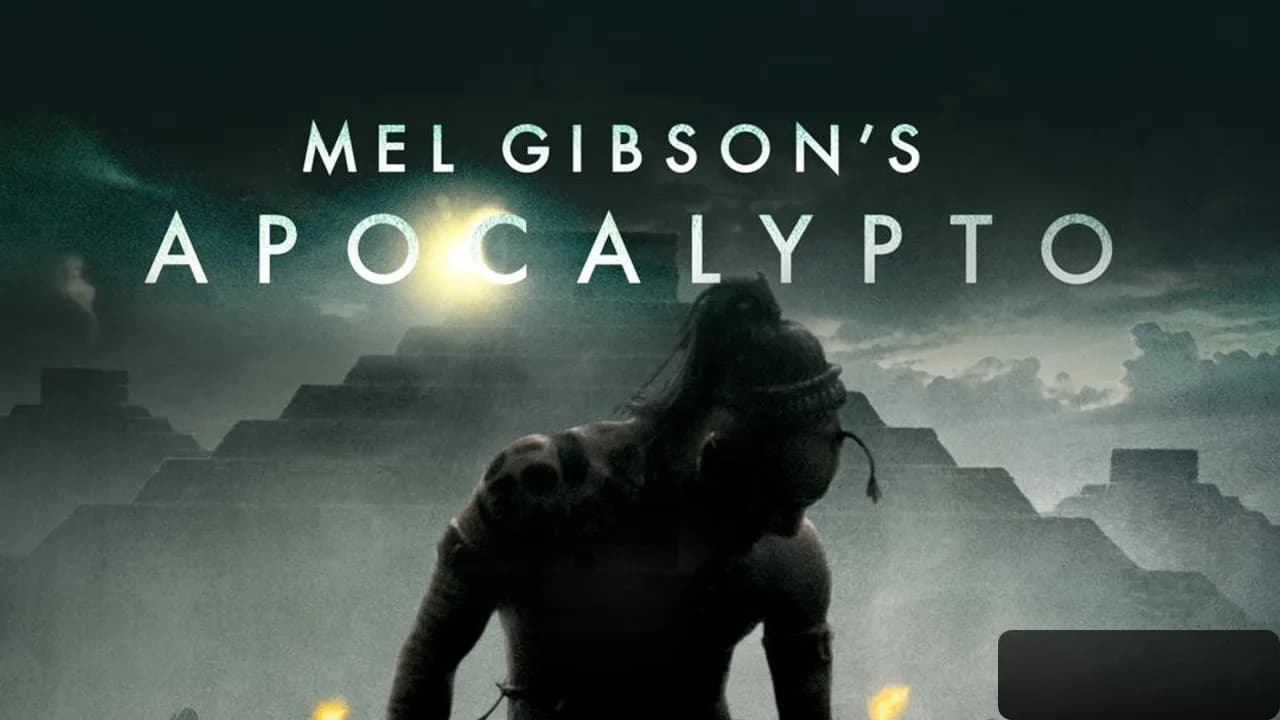
Apocalypto follows Jaguar Paw, a young Mesoamerican hunter living peacefully in a forest village around 1511. His world shatters when a marauding war party raids his settlement, killing many and dragging survivors toward a Mayan city destined for the sacrificial altar. What unfolds is a relentless survival narrative — part chase thriller, part meditation on a civilization in its death throes. The film doesn't shy away from the brutal reality of Mayan religious practice, depicting human sacrifice not as Hollywood invention but as documented historical fact, which is precisely what's made it so contentious since its release.
Behind the Making of Apocalypto
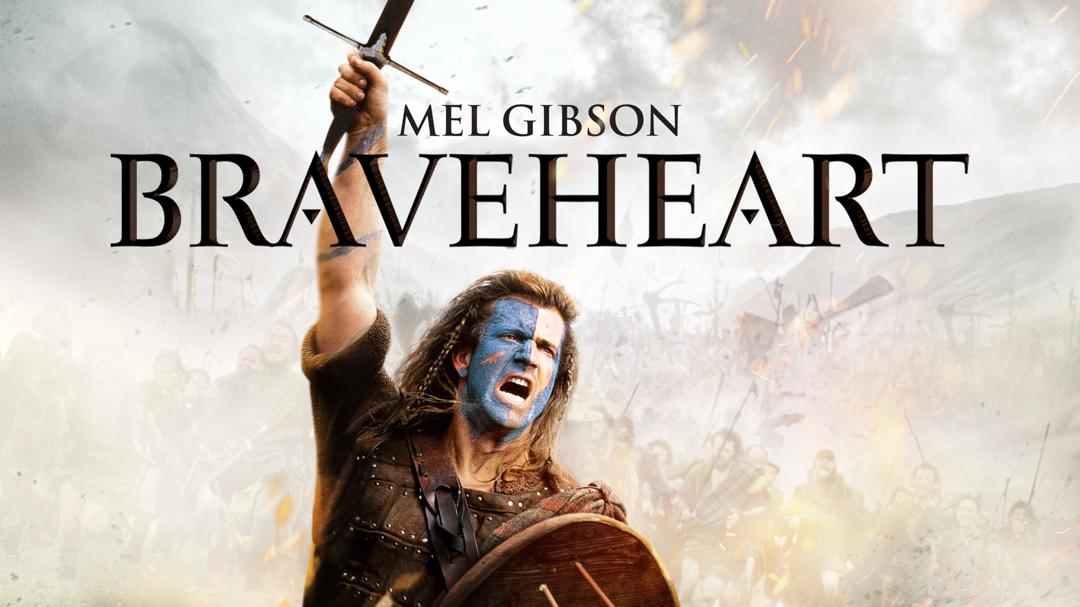
Mel Gibson produced and directed Apocalypto with co-writer Farhad Safinia, bringing his track record from Braveheart to bear on a far more ambitious historical canvas. The film assembled a largely Indigenous and Mexican cast — Rudy Youngblood in the lead role, alongside Raoul Max Trujillo, Gerardo Taracena, and Dalia Hernández — rather than relying on name-recognition actors. This decision proved both a creative strength and a logistical one; the ensemble brought authenticity that Hollywood veterans might've undermined. Shot in 2005 and released in December 2006, Apocalypto earned approximately $120 million worldwide against a $40 million budget, making it a commercial success despite mixed critical reception. The film received an R rating for violence and some language, and while it didn't land major Oscar nominations, it maintained a respectable 7.8 on IMDb — evidence that audiences connected with its raw energy even when critics remained divided. Movie OTT tracks where historical epics like this one land across streaming platforms, which has become crucial as theatrical windows narrow.
What Makes Apocalypto Stand Out
Here's what's striking about Apocalypto: it's a film that refuses to sentimentalize its subject matter. Gibson and Safinia crafted a screenplay that treats the Mayan civilization with respect — not as a backdrop for white-savior narratives, but as a complex, violent, declining society where ritual and warfare were intertwined with cosmology and political power. The performances anchor this commitment. Youngblood carries the film with a physicality that doesn't require much dialogue; you believe in his desperation because you see it in every frame. Trujillo, as the antagonist, brings menace without cartoonish villainy — he's a man doing what his culture demands, which makes him far more unsettling than any mustache-twirling villain could be.
What's less defensible is the film's occasional descent into spectacle for spectacle's sake. There's a solar eclipse sequence that strains credibility (though it's rooted in actual Mayan astronomical knowledge), and the final act pivots toward action-movie beats that feel at odds with the ethnographic weight the first two hours establish. That contradiction — between Gibson's obvious fascination with Mayan society and his instinct to deliver Hollywood thrills — is what divides viewers. Some see dedication to craft; others see exploitation dressed up as education. Both readings have merit. The thing nobody mentions is how the film's treatment of slavery and tribal conquest remains provocative precisely because it doesn't flinch from depicting indigenous peoples as capable of brutality, which challenges the romanticized "noble savage" trope while still inviting questions about whose story gets told and by whom.
Where to Stream Apocalypto Online
Apocalypto's widespread availability across streaming platforms reflects its enduring appeal. You can catch it on Amazon Prime Video (both with ads and ad-free), Hulu, Peacock, and several specialty channels including Lionsgate Play and ITVX if you're in the UK. If you're hunting for a rental or purchase option, it's available on Apple TV Store, Google Play Movies, YouTube, and Fandango At Home. The film also rotates through free ad-supported services like Tubi TV, Pluto TV, and The Roku Channel. For the most current availability in your region, the Where to Watch widget above this article will show you exactly which services have it right now — a feature Movie OTT updates regularly so you don't waste time searching.
Frequently asked questions
Q: Who directed Apocalypto?
Mel Gibson both directed and produced the film, co-writing the screenplay with Farhad Safinia. It was his second major historical epic after Braveheart, but with a vastly different cultural and geographical focus.
Q: Is Apocalypto based on a true story?
Apocalypto is a fictional narrative set against the documented historical backdrop of Mayan civilization's decline in the early 16th century. While the characters are invented, the film's depiction of Mayan religious practices, including human sacrifice, is grounded in archaeological and historical evidence.
Q: What's the runtime of Apocalypto?
The film runs 132 minutes, which allows Gibson to build tension gradually and establish the world before the central action sequence begins — a pacing choice that pays dividends in the final act.
Q: Why has Apocalypto been controversial?
The film's unflinching portrayal of human sacrifice and violence sparked debate about whether it perpetuates stereotypes about indigenous peoples. Some historians and critics have questioned its historical accuracy in specific details, though the broader framework of Mayan civilization in decline is well-documented. Movie OTT's community reviews reflect this ongoing conversation.
Q: What's the IMDb rating for Apocalypto?
The film holds a 7.8 out of 10 on IMDb, indicating solid audience appreciation despite mixed critical responses from major publications at the time of release.
Final Thoughts on Apocalypto
Apocalypto isn't a perfect film — it's too long in places, too enamored with action spectacle in others, and it invites legitimate questions about representation and historical interpretation. But it's undeniably ambitious. Gibson bet big on an unfamiliar cast, a language most viewers don't speak, and a historical moment most audiences know nothing about. That gamble produced something you won't forget. Whether you'll love it or wrestle with it depends on what you value: pure cinematic craft, or the messier work of interrogating whose stories get told in mainstream cinema. Either way, it's worth watching.