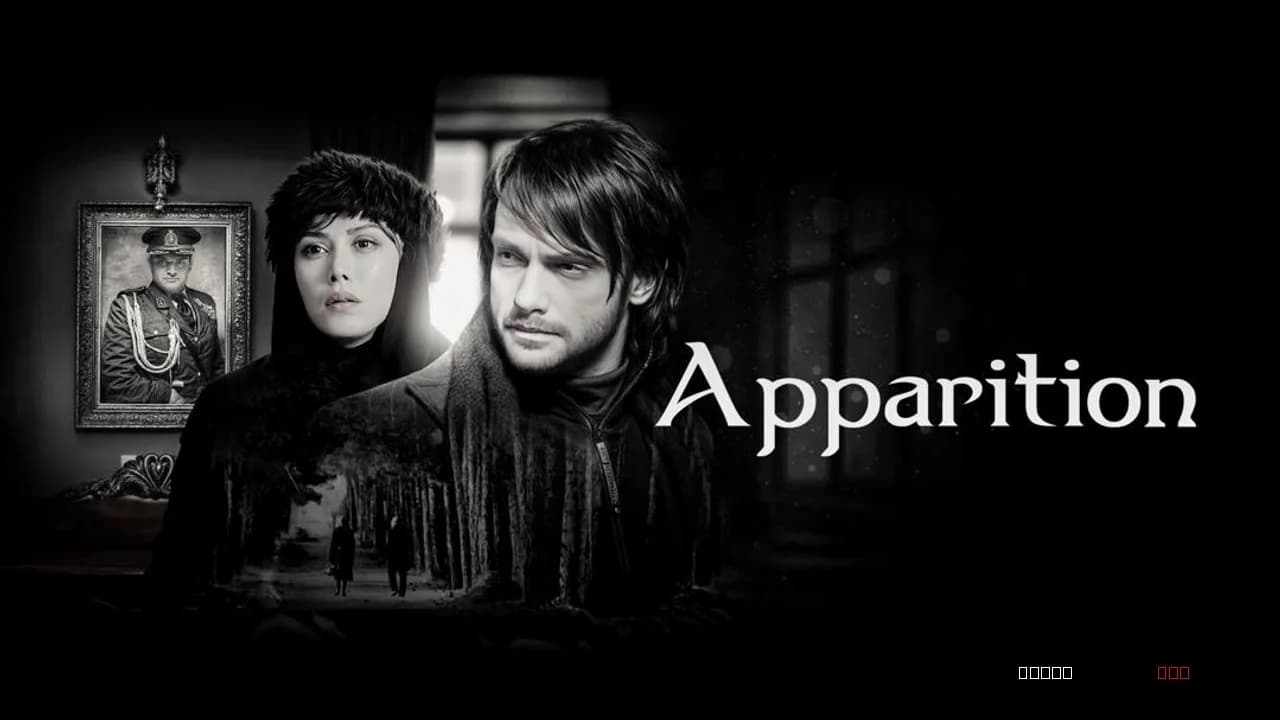

The Story of Apparition: When Suspicion Fractures a Household
Apparition tells the story of what happens when a simple fact—a housemaid is pregnant—becomes a grenade tossed into the center of a marriage. The film, directed by Iranian filmmaker Dariush Mehrjui in 2014, doesn't announce itself as a morality tale or a redemption arc. Instead, it's a claustrophobic examination of how quickly a household can unravel when doubt takes root. A wife learns that her housemaid is carrying a child, and the possibility that her drunken, boorish husband might be responsible sends her spiraling. What unfolds isn't a neat thriller but something messier—a slow-burn exploration of power dynamics, class resentment, and the stories we tell ourselves about the people we live with. The 96-minute runtime moves like a pressure cooker, trapping viewers in a space where every glance and silence carries weight.
Behind the Making of Apparition: Mehrjui's Unflinching Vision
Dariush Mehrjui was a towering figure in Iranian cinema, known for his willingness to examine the contradictions and hypocrisies lurking beneath domestic surfaces. Apparition arrived late in his career—he'd been making films since the 1960s and had already established himself as a director unafraid of controversy. The cast he assembled brought substantial talent to the ensemble: Amir Ali Danaei, Mahtab Keramati, Homayoun Ershadi, Hasan Ma'juni, Mehdi Soltani, Melika Sharifinia, and Hengameh Hamidzadeh each carry their own dramatic weight, and the interplay between them becomes the film's true engine. Mehrjui's approach to casting—drawing on performers with deep roots in Iranian television and theater—meant that the film could rely on subtlety and restraint rather than histrionics. The production itself was modest in scope but ambitious in ambition, a character-driven piece that doesn't need elaborate set pieces or plot machinery to generate tension. While the film didn't achieve major international distribution or awards recognition at major festivals, it remains a document of Mehrjui's late-period artistic concerns: how wealth and social position mask moral bankruptcy, and how those with the least power often become the convenient targets for the rage of those above them.
What Makes Apparition Stand Out: Performance and Moral Ambiguity
What's striking about Apparition is that it doesn't offer easy villains or heroes. The husband is reprehensible—a drunk who treats his wife and staff with contempt—but he's not a cartoon. The wife's jealousy and suspicion are understandable reactions, yet they metastasize into something cruel and self-serving. The housemaid exists in the margins, vulnerable and silent for much of the film, her pregnancy the inciting incident that everyone else gets to weaponize. I keep coming back to the way Mehrjui frames these characters in domestic spaces: the kitchen, the bedroom, the living room. There's nowhere to escape, nowhere to hide. The performances don't reach for melodrama; instead, they sit in the uncomfortable space of everyday cruelty—the cutting remark, the withheld affection, the strategic silence. Homayoun Ershadi, who viewers might recognize from his role in Abbas Kiarostami's Taste of Cherry, brings a particular gravity to scenes that could easily tip into farce. Mahtab Keramati's work as the wife captures something genuinely unsettling: a woman whose suspicion might be justified, but whose response reveals something ugly about her own character. The thing nobody mentions is that the film doesn't let the audience off the hook either—we're implicated in the voyeurism of watching this family's private collapse, and Mehrjui seems aware of that complicity.
Where to Stream Apparition Online
Apparition is currently available on Prime Video, making it accessible to subscribers looking to explore less mainstream international cinema. If you're tracking down where to watch it, the "Where to Watch" widget at the top of this page will show you the most current streaming availability. Prime Video has become an increasingly important platform for arthouse and international films—the kind of work that might not find theatrical distribution but deserves an audience. Movie OTT tracks these availability shifts across platforms, so if you're planning to watch, checking the widget ensures you're not chasing a title that's rotated off the service. The film's 96-minute runtime makes it a manageable evening watch, though don't expect it to be a comfort viewing experience. It's the kind of film you watch, then sit with for a while afterward.
Frequently Asked Questions
Q: Who directed Apparition?
Dariush Mehrjui, a legendary Iranian filmmaker known for his unflinching examinations of domestic life and social hypocrisy, directed Apparition in 2014. He was one of the most important figures in Iranian cinema from the 1960s onward.
Q: What is Apparition's runtime?
The film runs 96 minutes, a tight duration that Mehrjui uses to maintain pressure on the narrative without ever feeling rushed or padded.
Q: Is Apparition based on a true story?
There's no evidence that Apparition is adapted from a specific true event; it's an original screenplay exploring universal themes of marital suspicion and class dynamics that feel grounded in lived experience rather than headline-ripped-from-the-news sensationalism.
Q: Where can I watch Apparition right now?
Apparition is currently streaming on Prime Video. Check the "Where to Watch" widget on this page to confirm current availability, as streaming catalogs shift frequently—Movie OTT keeps those details current across all major platforms.
Q: What's the IMDb rating for Apparition?
The film has an IMDb rating of 2.8/10, which reflects its polarizing nature. It's the kind of film that audiences either find compelling or find unbearable, with little middle ground.
Final Thoughts on Apparition: A Film for Patient Viewers
Apparition isn't here to comfort you or resolve its tensions neatly. It's a chamber piece about how quickly intimacy can curdle into suspicion, how class resentment simmers beneath polite surfaces, and how the powerless often pay the price for the moral failures of those above them. It won't be for everyone—the low IMDb score tells you that plainly—but for viewers willing to sit with discomfort and moral ambiguity, there's something genuinely probing happening on screen. Mehrjui's late-career work deserved wider recognition, and Apparition stands as proof of why his reputation endures among serious film scholars and critics who value uncompromising artistic vision over audience comfort. If you're exploring international cinema or looking for something that refuses easy answers, it's worth your time.

