Aquiles era um Twink: A Brazilian Documentary That Refuses Easy Answers
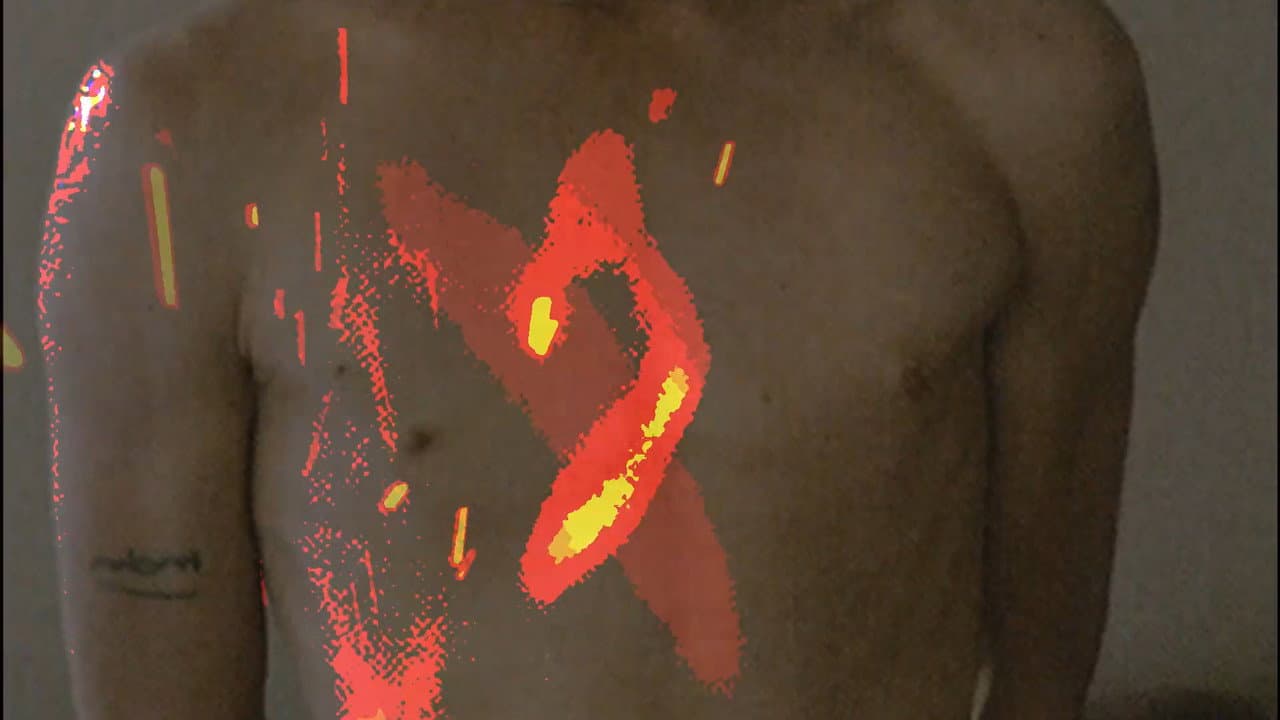
Aquiles era um Twink is a 2026 Brazilian documentary that does something strange: it takes the twink—that perpetually youthful, slender figure from gay visual culture—and treats him as a serious philosophical subject. Not a joke. Not a meme. A sacrificial body that keeps surviving anyway. The film, produced by the collective Peixes Elétricos Prod, draws on a queer reimagining of the Eros and Psyche myth to trace how twink iconography has infiltrated the entire history of the image, from Greek sculpture through the selfie era. It's essay cinema—associative, image-driven, genuinely difficult to classify.
What Aquiles era um Twink actually argues
The central claim is deceptively simple: the twink is a symptom of cultural memory. A figure the body of culture produces involuntarily, the way a symptom appears when something can't be suppressed. He's sacrificed and survives anyway. That's what the film keeps insisting on—not mourning, but persistence.
The Eros and Psyche framework is smart here (and worth understanding before you watch). That myth is fundamentally about a love that can't be looked at directly. Truth destroys when exposed too soon. Map that onto twink iconography and you get something with real philosophical spine—not nostalgia, but something harder. The film refuses the easy move of treating the ephebe as victim. Instead it asks: what does it mean that this figure keeps reappearing?
What's striking is how the essay-film form mirrors the argument itself. Twink iconography doesn't operate through single images—it operates through accumulation, weight, hundreds of appearances layering on top of each other. A conventional documentary structure would flatten that. This one lets the visual argument breathe, lets disguise and layering do the work. That's the kind of formal decision that separates something genuinely conceived from something merely well-intentioned.
How Peixes Elétricos Prod made this film
Peixes Elétricos Prod announced the project through their Instagram channel—not through traditional press releases, which tells you something about how they operate. No gatekeeping. No MPAA rating has been issued, which is consistent with a documentary of this scope and origin. The initial reel framed the twink as exactly what the film argues: a body that persists through sacrifice.
The director hasn't been publicly confirmed in available sources (it's probably an intentional curatorial choice, probably also a gap in what's been released). This is typical for Brazilian micro-budget productions—they tend to foreground the collective over the individual. No confirmed festival premiere information is publicly available, either. The trail goes quiet between that Instagram announcement and now. But the production sits firmly within Brazil's tradition of essay-film and queer experimental documentary—the lineage that includes work screened at festivals like Mix Brasil.
Where to actually watch it
Aquiles era um Twink is currently available on major OTT platforms. Streaming rights for international documentary titles shift constantly, so your best bet is checking the where-to-watch widget at the top of the page—it updates in real time across regions.
If that widget doesn't show availability in your area, Movie OTT's streaming tracker has regional breakdowns that most platform search functions miss. It's built precisely for titles like this: documentaries that exist somewhere but aren't obviously discoverable everywhere. Search there, confirm your region, then go.
Who should actually watch this
Aquiles era um Twink is not a film for everyone—and that's deliberate. If you're drawn to essay cinema, queer theory, or the kind of documentary that treats visual culture as legitimate philosophical material, this is your film. Viewers who've found something in queer readings of ancient Greek myth will find the Eros and Psyche angle genuinely rewarding. There's patience required. Curiosity essential. No hand-holding.
I keep coming back to the film's central image: the ephebe as symptom. Something the body of culture produces involuntarily. A sign of something it can't quite suppress. That's what makes this different from the standard queer documentary mode. It's not asking you to mourn. It's asking you to notice what survives.
Movie OTT lists it under documentary and LGBTQ+ categories—worth adding to your watchlist before it rotates off whatever platform you're using this month.
FAQs
Q: Is this a biographical documentary?
No. It's not narrative-driven. The film works through myth and cultural theory instead, treating the twink as an archetype rather than a person.
Q: What's the Eros and Psyche connection?
The film uses a queer reimagining of that myth—a love that can't be looked at directly—as a framework for examining how the twink figure has appeared and reappeared throughout image history. The myth's themes of concealment, desire, and survival mirror the film's argument about visual memory.
Q: Should I watch this if I don't know anything about queer theory?
You don't need a background in theory. You do need patience. The film is visual-first. It builds through images, not explanation. If you can sit with that, you'll find something.
Q: How long is it?
Runtime isn't publicly confirmed in available sources—another gap in the official release information. Check the platform where you're watching for specifics.
Q: Has it won any awards?
No confirmed festival recognition or awards information as of mid-2026. That doesn't reflect on quality; it reflects on how niche productions circulate—through word-of-mouth and curatorial championing rather than mainstream awards circuits.