The Story of Around the World in 80 Days
What if you had eighty days to circle the entire planet? That's the premise of this 1956 epic adventure-comedy, based on Jules Verne's beloved novel. Phileas Fogg, a precise and unflappable English gentleman, accepts a wager from fellow members of the Reform Club in London: he'll circumnavigate the world in exactly eighty days, or lose his substantial fortune. It's a bet born from arrogance and idle club-room banter, yet it becomes the engine that drives one of cinema's most expansive journeys. Accompanying Fogg on this mad dash across continents and oceans is Passepartout, his newly hired valet, along with a determined woman named Aouda and a persistent detective convinced Fogg is actually a bank robber. The stakes are personal, financial, and romantic—and the clock never stops ticking.
Behind the Making of Around the World in 80 Days
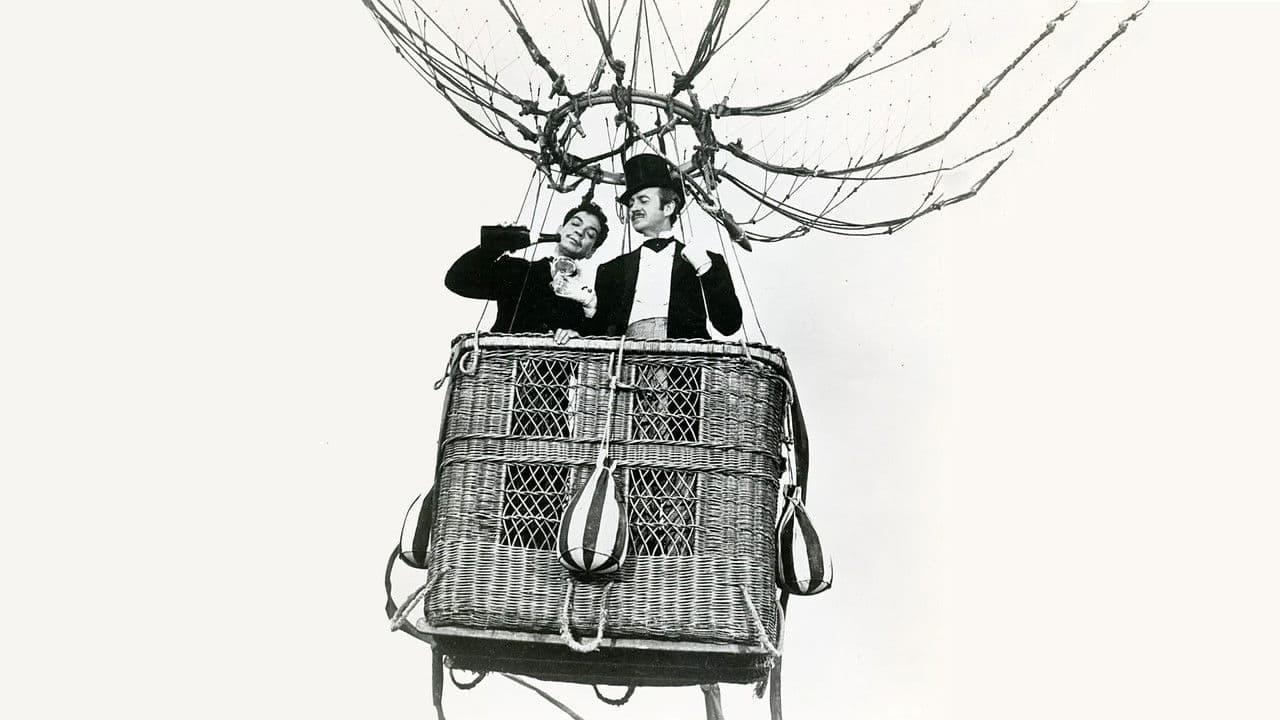
Produced by the Michael Todd Company and released by United Artists, Around the World in 80 Days was a massive undertaking for 1956. The film runs 182 minutes—nearly three hours of screen time—which was an audacious commitment for audiences accustomed to leaner narratives. The production assembled a stellar cast anchored by David Niven in the lead role, with Mexican comedian Cantinflas (Mario Moreno) as Passepartout, British character actor Robert Newton, and rising starlet Shirley MacLaine. What made this production legendary, however, wasn't just the principal cast: the film became famous for its parade of celebrity cameos, with Oscar-winning actors and Hollywood luminaries popping up throughout the journey—a gimmick that was novel and delightful at the time, though it's become somewhat harder to appreciate without constant pause-button work. The film was shot across multiple continents and used a combination of location filming and studio sets to capture the scale Verne's story demanded. This was big-budget spectacle at a time when that meant something tangible: real sets, real travel, real logistics. The IMDb rating of 6.657/10 reflects a film that's earned respect over time, even if it doesn't maintain universal adoration.
What Makes Around the World in 80 Days Stand Out
Here's the thing about Around the World in 80 Days: it's a film caught between ambition and execution, and that tension is part of its charm. David Niven's Fogg is perfectly cast—dapper, imperturbable, capable of delivering dry British wit without ever raising his voice—and watching him maintain his composure while traveling by train, ship, elephant, and hot-air balloon is genuinely entertaining. Cantinflas brings physical comedy and warmth to Passepartout, the kind of acrobatic charm that doesn't always translate across language barriers but works here because the character's loyalty and humor are universal. What's striking is how the film doesn't try to hide its artificiality. You're watching painted backdrops, obvious studio work, and characters speaking dialogue that feels more theatrical than naturalistic—yet somehow that works in the film's favor. The story itself, drawn from Verne's novel, carries an inherent optimism about human connection and the possibility of adventure that feels almost quaint by modern standards. The cameos, while they can feel distracting, also serve a purpose: they remind you that cinema in 1956 was a communal art form, a place where you might see your favorite star pop up unexpectedly. The film doesn't take itself too seriously, which is probably why it endures. Audiences looking for gritty realism or psychological depth will find themselves frustrated, but those willing to surrender to the spectacle and the spirit of adventure will find plenty to enjoy.
Where to Stream Around the World in 80 Days
Finding Around the World in 80 Days is easier than finding Phileas Fogg on his actual journey. The film is currently available on major OTT services, making it accessible whether you're a classic film enthusiast or someone discovering it for the first time. Movie OTT tracks current streaming availability across platforms, so you can see exactly where the film is live right now rather than hunting through your subscription apps. The three-hour runtime means you'll want to carve out a solid block of time—it's not a film to half-watch while scrolling your phone. Given its theatrical origins and the intentional spectacle of the production, watching on a larger screen with decent sound will enhance the experience considerably. Check the Where to Watch widget at the top of this page for the most current platform listings.
Frequently asked questions
Q: Is Around the World in 80 Days based on a true story?
No, it's based on Jules Verne's 1873 novel of the same name, which was itself a work of fiction. The story was revolutionary for its time because international travel at that pace was nearly impossible in the 1870s, making Verne's premise thrilling and audacious.
Q: Who directed Around the World in 80 Days?
The film was directed by Michael Anderson, a British filmmaker known for large-scale productions. Anderson managed the logistical complexity of shooting across multiple continents while maintaining narrative momentum through the sprawling story.
Q: How long is the 1956 version?
The film runs 182 minutes, or just over three hours. This extended length was unusual for the era but necessary to capture the scope of the journey and accommodate the numerous cameos and locations.
Q: What's the tagline for this film?
The official tagline is "It's a wonderful world, if you'll only take the time to go around it!"—a perfect encapsulation of the film's philosophy about adventure and seeing what's beyond your doorstep.
Q: Why does the film have so many cameos?
The cameos were a deliberate production strategy to generate interest and give audiences the thrill of spotting famous faces. It was a marketing tool, yes, but also reflected how Hollywood viewed itself as a glamorous, interconnected community worth celebrating.
Final Thoughts on Around the World in 80 Days
Does Around the World in 80 Days hold up perfectly? Not entirely. The pacing can drag, some of the humor lands better than others, and the casual attitudes toward other cultures feel dated. But there's something genuinely worthwhile here—a film that understands the romance of travel, the value of unexpected friendships, and the human impulse to prove ourselves capable of the impossible. If you're in the mood for classic adventure cinema that doesn't take itself too seriously, that celebrates spectacle and charm over realism, this 1956 epic deserves your time. It's the kind of film that rewards patience, and it's exactly the sort of title Movie OTT exists to help you discover among the overwhelming catalog of streaming options.