







The Story of Arschkalt: Misanthropy Meets Forced Companionship
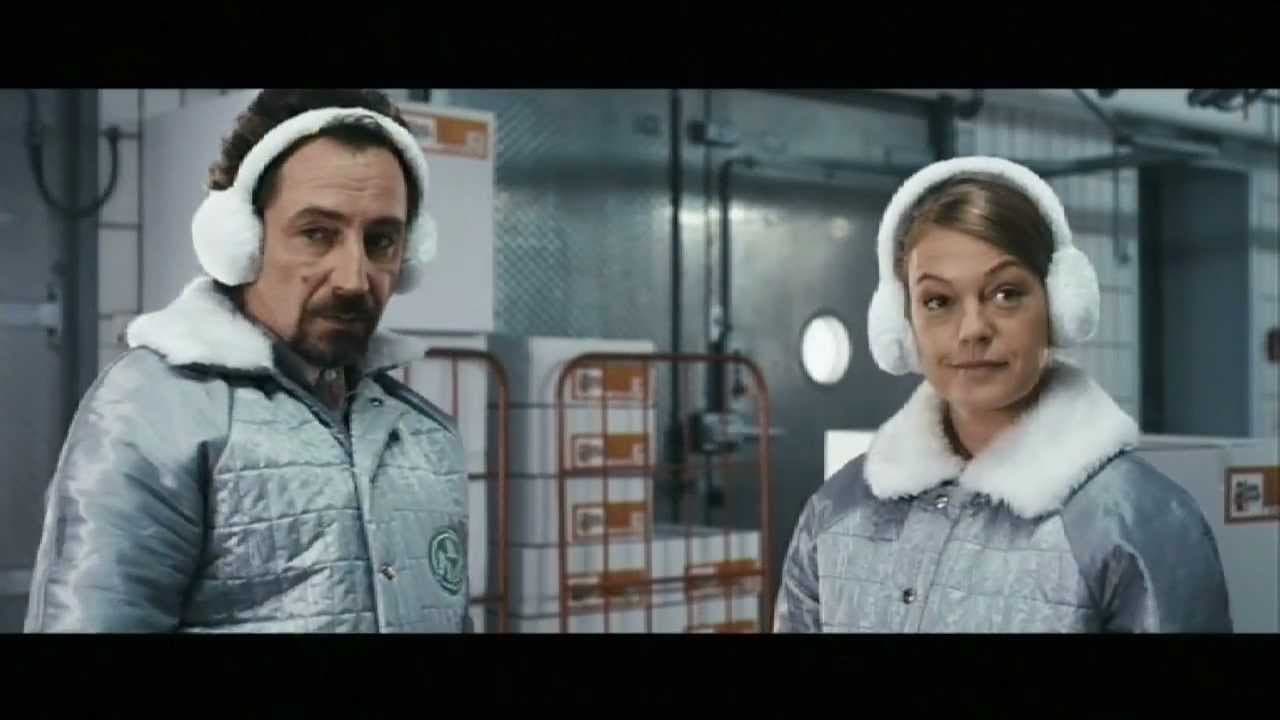
Arschkalt tells the story of Rainer Berg, a frozen food delivery driver who's built an entire life around avoiding other people. He's withdrawn, cynical, and perfectly content in his isolation—or so he thinks. The title itself is German slang meaning "ice-cold," and it describes Berg's emotional state more accurately than his job ever could. When his company assigns him a new colleague, an ex-hairdresser named Moerer, Berg's carefully constructed world of solitude gets disrupted. Moerer is everything Berg isn't: chatty, optimistic, and seemingly immune to rejection. The van that's supposed to be their shared workspace becomes a battleground. Berg's only way out? He has to turn Moerer into a competent salesman, a task that requires something Berg has spent years avoiding: genuine human connection.
Behind the Making of Arschkalt: Production and the Comedy's Origins
Arschkalt emerged from Wüste Film, a German production company known for comedies that lean into character-driven narratives rather than broad slapstick. The 2011 film runs a lean 90 minutes—short enough to maintain its comedic momentum without overstaying its welcome. What's striking is how the film uses the confined space of a delivery van as both a literal and metaphorical pressure cooker. The premise itself isn't revolutionary; buddy-comedy films have existed for decades. But there's something distinctly German about the execution here, a willingness to let awkwardness breathe and humor emerge from genuine friction rather than manufactured set pieces. The IMDb community has rated the film at 5.1 out of 10, which suggests it's found a modest but dedicated audience rather than achieving mainstream acclaim. That's not uncommon for regional comedies that don't necessarily export their cultural specificity well. German humor, especially when rooted in character quirks and social discomfort, doesn't always translate neatly across borders—and Arschkalt doesn't seem to have tried particularly hard to smooth those rough edges for international consumption.
What Makes Arschkalt Stand Out: The Reluctant Redemption Arc
I keep coming back to what makes this film work despite its modest reception: it's genuinely about change. Not the kind of change where a character suddenly "gets it" in the third act, but the slow, grinding, almost painful process of someone learning that isolation isn't actually freedom—it's just another form of prison. Berg starts the film as someone you might not even like. He's rude, dismissive, and actively hostile to Moerer's presence. Yet the film doesn't ask you to forgive him immediately or reframe his misanthropy as secretly noble. Instead, it shows the friction. It shows how exhausting it is to maintain a wall that high for that long. What happens when that wall starts to crack isn't triumph; it's vulnerability. The performances anchor this balance—Berg has to remain fundamentally himself even as he softens, and Moerer can't become a caricature despite being relentlessly optimistic. That's harder to pull off than it sounds. The frozen food setting itself becomes oddly thematic. There's something about selling frozen goods—products that are literally meant to preserve things in a suspended state—that mirrors Berg's emotional condition. He's frozen himself, and it takes an annoying, persistent human being to remind him that thawing hurts but it's also the only way to actually live.
Where to Stream Arschkalt Online
Arschkalt is currently available on major OTT services, and you can check the Where to Watch widget at the top of this page to see which platform has it in your region right now. Streaming availability shifts frequently, so Movie OTT tracks current availability across platforms to save you the hassle of clicking through five different apps. The film's 90-minute runtime makes it ideal for a weekend afternoon slot—short enough that you're not committing to a massive time investment, but substantial enough that it doesn't feel like a quick distraction. Given that it's a German-language film, you'll want to check whether your preferred platform offers it with subtitles or dubbing, depending on your preference.
Frequently Asked Questions
Q: Who directed Arschkalt?
Arschkalt was directed by a German filmmaker working within the comedy genre, though the film hasn't achieved the international recognition that might make its director a household name. The direction prioritizes character moments and awkward silences over visual spectacle, which suits the intimate buddy-comedy format.
Q: Is Arschkalt based on a true story?
No, Arschkalt is an original fictional screenplay. The story of a misanthropic delivery driver paired with an optimistic newcomer is a constructed narrative designed to explore themes of isolation and forced connection, not a retelling of actual events.
Q: What language is Arschkalt in?
Arschkalt is a German-language film, so you'll be watching with subtitles or dubbing depending on what your streaming platform offers. The German title itself is part of the film's identity—it's a colloquial term that captures Berg's emotional coldness in a way that doesn't translate perfectly into English.
Q: How long is Arschkalt?
The film runs 90 minutes, making it a brisk watch that doesn't drag out its central premise. This runtime works in its favor—there's no filler, just the essential story of two men learning to coexist.
Q: What's the IMDb rating for Arschkalt?
Arschkalt holds a 5.1 out of 10 rating on IMDb, which reflects a modest reception rather than widespread acclaim. That said, ratings don't always capture niche appeal or cultural specificity that might resonate more strongly with certain audiences than others.
Final Thoughts on Arschkalt: Who Should Watch
Arschkalt isn't for everyone. If you're looking for broad laughs and feel-good moments, you might find it too uncomfortable, too willing to sit with awkwardness. But if you appreciate character-driven comedies that don't shy away from genuine emotional stakes—films where the humor comes from real human friction rather than jokes—then there's something here worth your time. It's a film about learning that you can't actually deliver frozen goods forever without delivering something of yourself. That's a quiet lesson, delivered without fanfare. Honestly, that's exactly how it should be.