The story of Assault on Wall Street
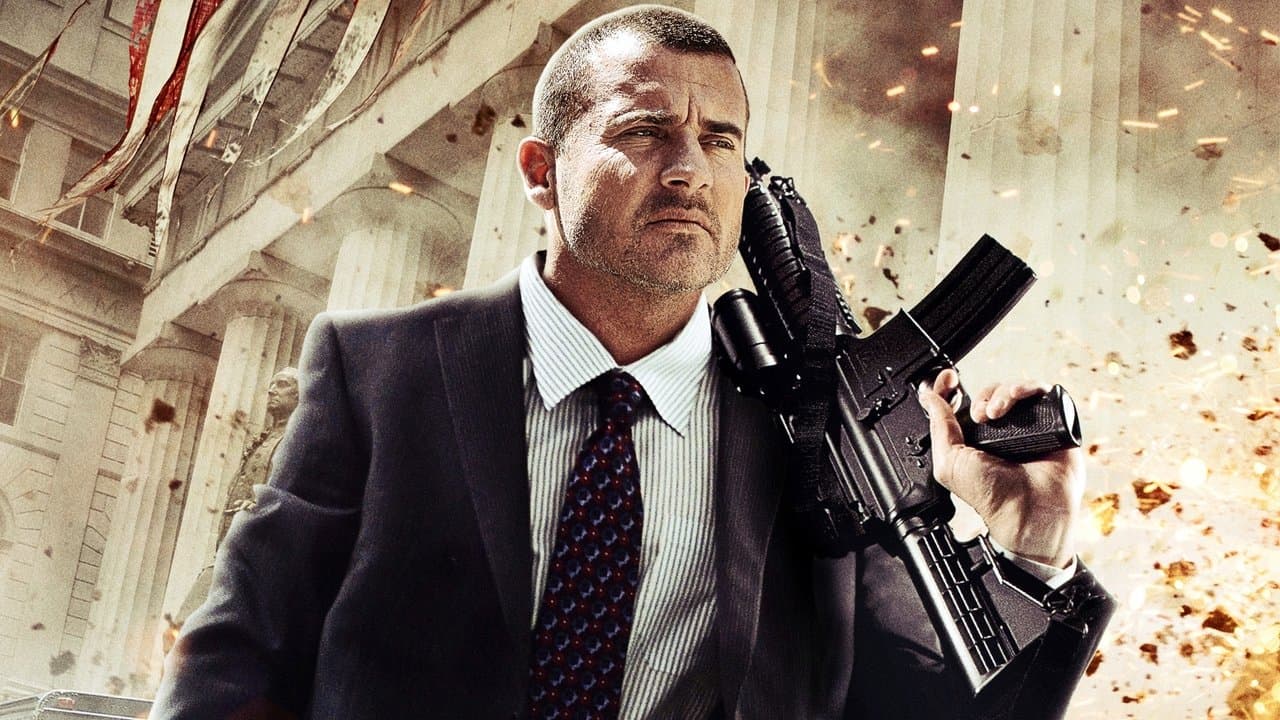
Assault on Wall Street tells the story of Jim, an average New Yorker who seems to have it all figured out—a well-paying job, a loving family, and the kind of stable life most people dream about. That fragile stability shatters when the 2008 financial crisis hits, and Jim watches everything collapse around him. His investments vanish. His job disappears. The system that promised security betrays him completely. What starts as desperation transforms into something far darker: rage so consuming that Jim abandons his ordinary life and takes matters into his own hands, seeking violent retribution against the financial institutions and individuals he holds responsible for destroying his world.
Directed by Uwe Boll, the film doesn't shy away from the raw anger simmering beneath the surface of post-crisis America. It's a story about a tipping point—that moment when someone breaks, when the weight of injustice becomes unbearable. The 99-minute runtime moves briskly through Jim's unraveling, building toward a climax that forces viewers to confront uncomfortable questions about desperation, accountability, and how far someone will go when they've lost everything.
Behind the making of Assault on Wall Street
Assault on Wall Street emerged from Lynn Peak Productions and Studio West Productions (VCC) in 2013, arriving at a moment when the financial crisis was still raw in the American consciousness. Director Uwe Boll, known for his provocative action films, brought a no-nonsense approach to the material, crafting something that doesn't apologize for its central premise. The film carries an R rating, signaling that Boll wasn't interested in softening the violence or the emotional devastation at the story's core.
The cast anchors the film with solid performances. Dominic Purcell, best known for his role in Prison Break, carries the weight of Jim's transformation from ordinary man to someone consumed by rage. Supporting him are Erin Karpluk, Edward Furlong, and Keith David—actors who bring credibility to their roles even as the plot spirals into increasingly extreme territory. While the film didn't set the box office on fire, it found an audience among viewers looking for something that directly addressed the anger and betrayal many felt during the economic collapse. The film won one award during its festival run, though it didn't achieve mainstream critical acclaim. On Metascore, it landed at 24/100, and Rotten Tomatoes gave it a 25% rating, indicating that traditional critics largely dismissed it. The IMDb community, however, was somewhat kinder, rating it 6/10 across over 22,000 votes—suggesting that despite critical indifference, the film connected with certain viewers who appreciated its willingness to explore dark, uncomfortable territory.
What makes Assault on Wall Street stand out as revenge cinema
What's striking about Assault on Wall Street isn't that it's a perfectly crafted thriller—it isn't, and that's almost beside the point. What matters is that it taps into something genuine: the feeling of systemic betrayal that gripped millions of Americans during the financial crisis. The film doesn't pretend Jim's response is justified or heroic. Instead, it shows how desperation, grief, and rage can consume someone entirely, turning an ordinary person into something unrecognizable. That's the uncomfortable core the movie keeps returning to, and it's also why critics who might have dismissed it as exploitation actually recognized something worth examining.
Dominic Purcell's performance carries the film because he plays Jim not as a one-dimensional avenger but as a man genuinely breaking apart. You see the moment the light goes out in his eyes. You watch his hands shake. The cinematography and editing reinforce this descent—the pacing tightens as Jim's mind closes in on his singular purpose. Boll, whatever his reputation in certain circles, understands how to build tension and momentum. He's not interested in nuance or redemption arcs; he's interested in showing the trajectory of collapse. That directness, that refusal to soften the material, is actually what gives the film its power, even if critics couldn't quite bring themselves to admit it.
What I keep coming back to is how the film uses New York City itself as a character—the gleaming towers of Wall Street representing everything that's out of reach, everything that's rigged against people like Jim. The contrast between the wealth on display and Jim's crumbling life creates a visual argument that doesn't require dialogue. It's capitalism's brutality made concrete, and whether you think the film handles that theme effectively or clumsily, you can't ignore that it's trying to say something.
Where to stream Assault on Wall Street online
Assault on Wall Street is available across major OTT services, making it accessible if you're curious about the film or want to revisit it. Rather than hunting through multiple streaming apps, Movie OTT aggregates current availability so you can see exactly where the title is streaming right now—whether that's Netflix, Prime Video, or other platforms. The Where to Watch widget at the top of this page will show you all the services currently carrying the film, along with whether it's available to stream free with ads, included with a subscription, or available for purchase or rental. Streaming rights shift frequently, so checking Movie OTT's real-time availability tracker beats guessing which service has it today.
Frequently asked questions
Q: Who directed Assault on Wall Street?
Uwe Boll wrote and directed the film. Boll is known for action thrillers that don't shy away from controversial or provocative subject matter, and Assault on Wall Street fits squarely into his filmography.
Q: Is Assault on Wall Street based on a true story?
The film is a fictional work, though it's inspired by the real anger and desperation many people felt during the 2008 financial crisis. While Jim's character isn't based on a specific individual, the emotional landscape—economic collapse, job loss, family devastation—reflects genuine historical trauma.
Q: What's the runtime and rating for Assault on Wall Street?
The film runs 99 minutes and carries an R rating due to violence and language. It's not a film for younger viewers, and the intensity escalates significantly as the story progresses.
Q: Why did Assault on Wall Street receive such low critical scores?
Critics on Metascore (24/100) and Rotten Tomatoes (25%) found the film exploitative or heavy-handed in its treatment of the financial crisis. Some felt it glorified violence rather than meaningfully examining it. However, audience ratings on IMDb (6/10) suggest that viewers who connected with the film's raw anger appreciated what Boll was attempting, even if critics didn't.
Q: Can I watch Assault on Wall Street on streaming services?
Yes, the film is available on major OTT platforms. Check the Where to Watch widget on this page to see current availability in your region.
Final thoughts on Assault on Wall Street
Assault on Wall Street isn't for everyone. It's angry, it's blunt, and it doesn't apologize for exploring how desperation can transform an ordinary person into something frightening. That willingness to sit with discomfort—to refuse easy answers or moral clarity—is exactly what makes it worth watching, especially if you're interested in how cinema processes collective trauma. The film won't change your life. But it might make you think about what breaking point actually looks like, and why so many people felt like they were approaching one in 2008.