









The story of Aswathama
Aswathama opens with a premise that hooks immediately: Gana's sister has been mysteriously impregnated, and he has no answers. Instead of accepting the tragedy, he does what any protective brother might do in a revenge thriller—he starts hunting. What begins as a personal vendetta quickly morphs into something far darker when Gana discovers he's not dealing with an isolated incident. The city is crawling with similar cases, a pattern of predatory violence that's been hidden in plain sight. The film doesn't shy away from the brutality of its subject matter; it leans into it, using Gana's escalating investigation as the engine that drives the narrative forward through two hours and thirteen minutes of increasingly tense confrontations.
The setup is familiar enough—wronged man seeks answers—but what makes Aswathama different is its refusal to sentimentalize the hunt. There's no noble crusade here, just a man spiraling deeper into violence as he chases leads through a corrupt system that seems designed to protect the guilty. That's the real thriller element. Not the action sequences (though there are plenty), but the slow realization that the machinery of justice itself might be the problem.
Behind the making of Aswathama
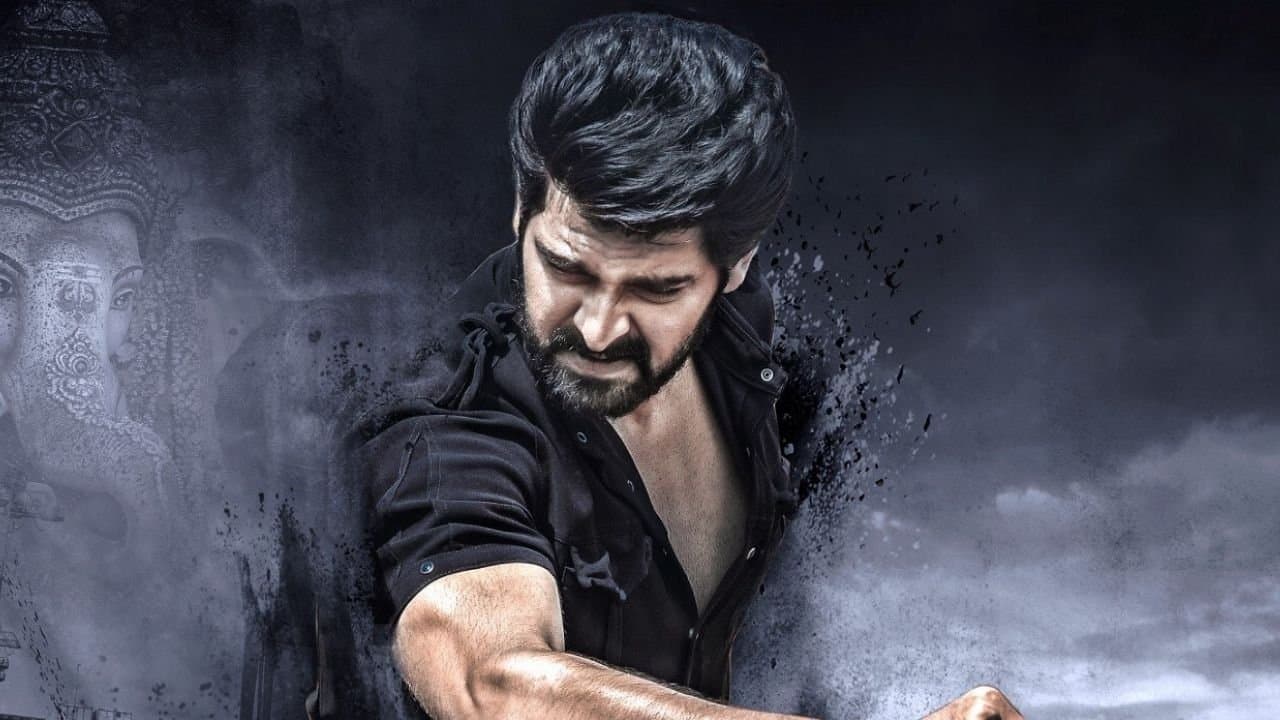
Aswathama marks the directorial debut of Raman Teja, who was handed a story written by lead actor Naga Shourya—a collaboration that speaks to how personal this project was for everyone involved. The film was produced by Usha Mulpuri under the Ira Creations banner, a production company that was betting on a debut director with an unproven vision. That kind of risk-taking doesn't always pay off, but in this case, it resulted in something with genuine teeth.
The cast is anchored by Naga Shourya in the lead role, bringing an intensity that's hard to shake. Jisshu Sengupta and Mehreen Pirzada round out the main ensemble, while supporting performances from Sargun Kaur Luthra, Harish Uthaman, Prince Cecil, and Jayaprakash add layers of moral ambiguity to the world Teja constructs. The score by Ghibran, with soundtrack composition by Sricharan Pakala, creates an atmosphere that's simultaneously claustrophobic and expansive—you feel trapped in the city even when the camera pulls back.
On the awards front, Aswathama earned one nomination, a recognition that the film had resonated enough with industry observers to warrant notice. The IMDb rating of 6.4 out of 10 from over 1,300 votes suggests a film that's polarizing—some viewers connect with its unflinching approach to violence and justice, while others find it too bleak or narratively uneven. That split isn't unusual for debut directors tackling heavy subject matter, and it often indicates a film with something genuine to say, even if not everyone's on board with how it's said.
What makes Aswathama stand out
Honestly, what's striking about Aswathama is how it refuses to give Gana—or the audience—easy moral ground to stand on. He's hunting monsters, sure, but the methods he employs start to blur the line between justice and vigilantism. That's not accidental storytelling; that's a director asking uncomfortable questions about what we're willing to accept when the system fails us. The action sequences aren't there just for spectacle; they're expressions of Gana's psychological unraveling, each fight more desperate than the last.
Naga Shourya's performance carries the entire film on his shoulders. There's a weariness to his portrayal that goes beyond physical exhaustion—it's the exhaustion of someone who's discovered the world is far worse than he imagined and now has to decide what kind of man he's willing to become to fix it. Jisshu Sengupta and Mehreen Pirzada provide crucial counterweights, characters who represent different moral positions on the central conflict. When Sengupta's character appears on screen, there's always tension—you're never quite sure whose side he's on or what his motivations truly are.
The film's willingness to stay in the dark places—literally and thematically—sets it apart from more conventional crime thrillers that might've sanitized the narrative. There's a scene roughly midway through where Gana confronts one of the perpetrators, and the encounter is messy, brutal, and devoid of the cathartic satisfaction you might expect from a revenge story. That's what I keep coming back to: Aswathama understands that real violence doesn't resolve anything. It just creates more violence, more victims, more questions. A debut director who can maintain that moral clarity while still delivering the thrills audiences expect? That's rare.
Where to stream Aswathama online
Aswathama is currently available on major OTT services, making it accessible to viewers across multiple platforms. If you're looking for where to watch, the "Where to Watch" widget at the top of this page will show you every service currently streaming the film in your region. Availability changes regularly, so checking Movie OTT before you hit play ensures you're accessing it through the right platform for your subscription. The good news is that a film this visually and thematically dark deserves the larger screen and better audio quality that streaming services typically offer—you'll want to hear Ghibran's score properly.
Frequently asked questions
Q: Who directed Aswathama?
Aswathama marks the directorial debut of Raman Teja, who collaborated with lead actor Naga Shourya on the original story. It's a bold first feature that announced Teja as a director willing to tackle morally complex material without flinching.
Q: Is Aswathama based on a true story?
No, Aswathama is a fictional thriller written by Naga Shourya, though it deals with real social issues around violence and systemic failures. The story draws on genuine anxieties rather than adapting specific events.
Q: What's the runtime of Aswathama?
The film runs 133 minutes, roughly two hours and thirteen minutes, which gives Raman Teja enough breathing room to develop both the personal stakes and the larger conspiracy at the film's core.
Q: What languages is Aswathama available in?
Aswathama is a Telugu-language film, reflecting the vibrant Telugu cinema industry in India. Depending on your streaming platform, it may be available with subtitles in multiple languages.
Q: What's the IMDb rating for Aswathama?
The film holds a 6.4 out of 10 rating on IMDb based on over 1,325 votes, indicating a mixed but engaged audience response to its dark subject matter and unconventional approach to the revenge thriller genre.
Final thoughts on Aswathama
Aswathama isn't a comfortable watch. It doesn't offer the satisfaction of a hero triumphantly vanquishing evil or a system that corrects itself. Instead, it's a film that trusts its audience to sit with moral ambiguity and asks hard questions about justice, vengeance, and the cost of both. If you're drawn to crime thrillers that aren't afraid to get messy—narratively and thematically—this is worth your time. Raman Teja's debut suggests a director with a distinctive voice, and Naga Shourya's performance anchors the entire enterprise with genuine conviction. It's the kind of film that stays with you, not always pleasantly, but undeniably.