









The story of August 16, 1947 and India's hidden struggle
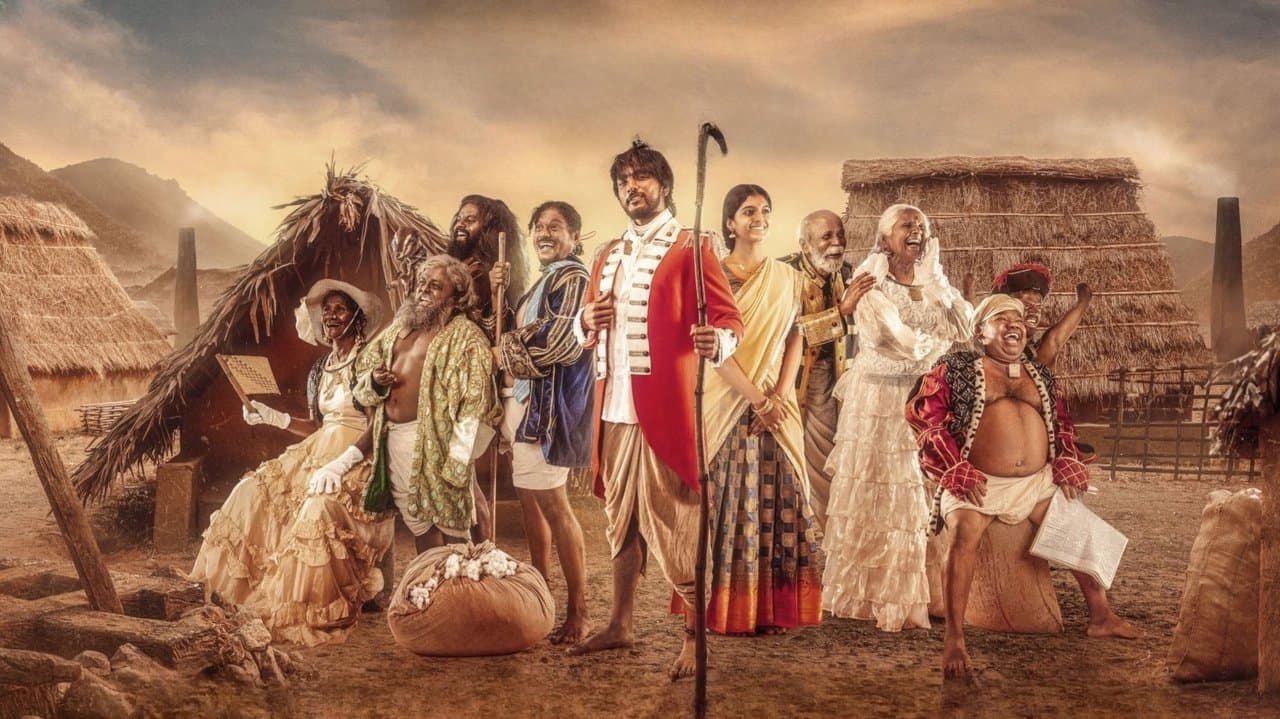
August 16, 1947 is a historical drama that takes its premise seriously: what happens when freedom arrives but nobody tells you? The film unfolds across a single, suffocating window of time—August 14 to 16, 1947—in a remote fictional village somewhere in pre-Independence Madras, where an oppressive British general maintains an iron grip on the community. The villagers remain illiterate and isolated, cut off from the seismic news that India has just won its independence. Life under colonial rule continues as if nothing has changed. That's where Param enters. A local troublemaker with charisma and grit, he becomes the spark that ignites resistance, forcing the question: what does freedom mean to people who don't yet know they're supposed to be free?
What makes the premise compelling—and the film's central tension—is its refusal to celebrate Independence as an abstraction. Instead, it grounds the moment in the lives of the powerless, the ones whose names didn't make it into history books. The title itself is a date, not a name or a poetic phrase. That directness matters. You're watching a story that happened in the margins while the nation's capital was raising flags.
Behind the making of August 16, 1947 and its production journey
August 16, 1947 was written and directed by N.S. Ponkumar and released on April 7, 2023. The film arrived with solid backing: produced by AR Murugadoss, Om Prakash Bhatt, and Narsiram Choudhary under A. R. Murugadoss Productions, Purple Bull Entertainment, and God Bless Entertainment. Murugadoss himself is a heavyweight in Tamil cinema—a director-producer known for action-driven narratives and slick production values. The cast includes Gautham Ram Karthik in the lead role of Param, alongside Revathy Sharma, with supporting turns from Pugazh, Madhusudhan Rao, Jason Shah, and Richard Ashton. At 144 minutes, it's an ambitious runtime, the kind that signals the filmmakers weren't interested in a quick, digestible story—they wanted room to breathe, to build atmosphere, to let the oppression settle into your bones.
The film's box office performance and critical recognition tell a more complicated story. It didn't become a breakaway hit, and awards recognition has been modest at best. Still, that's not uncommon for period dramas with niche appeal, especially those tackling colonial history through a regional lens. The production design and period authenticity clearly received investment—you can feel the care in the details, even if the broader reception didn't match the ambition.
What makes August 16, 1947 stand out despite mixed reviews
Here's the thing about August 16, 1947: the critical consensus has been rough. Rotten Tomatoes sits at 14%—that's properly rotten territory—while the IMDb score of 6.7/10 suggests a more divided audience. So why discuss it at all? Because the gap between critical dismissal and what's actually on screen is worth examining. The film's central idea—that Independence meant nothing to those who couldn't access the news of it—is genuinely provocative. It's not a triumphalist narrative. It doesn't celebrate the nation-state; it interrogates the violence of exclusion, the way power operates through isolation and information control.
Gautham Ram Karthik carries the film as Param, and his performance works best when he's playing quiet defiance rather than grand heroics. There's a scene early on where he simply refuses to bow to the general's authority—a small gesture, almost invisible to the untrained eye, but it sets the entire moral axis of the film. Revathy Sharma's presence anchors the emotional core, though the script doesn't always give her enough to work with. The real tension comes from watching ordinary people realize they've been left behind by history, and honestly, that's harder to dramatize than it sounds. It requires restraint, which this film sometimes has and sometimes doesn't.
The criticism about pacing and narrative structure isn't unfounded—144 minutes is a long time to spend in a village where not much happens in conventional terms. But that's also the point. Waiting, suffering, the slow accumulation of rage—these aren't the stuff of rousing cinema. They're the stuff of real oppression. Whether the film executes that vision successfully is where critics diverged, and where viewers will likely diverge too.
Where to stream August 16, 1947 online
August 16, 1947 is currently available on major OTT services, which means you've got options depending on your subscription setup. Rather than hunting across multiple platforms, Movie OTT aggregates current streaming availability in one place, so you can see exactly which service has it today—availability shifts regularly, and the widget at the top of this page will show you the most up-to-date information. If you're a subscriber to the major Tamil-language streaming platforms, there's a good chance it's already in your catalog. The film's 144-minute runtime means you'll want to carve out a proper viewing window; this isn't something to half-watch while scrolling your phone. Pick an evening, settle in, and let the atmosphere of the film work on you.
Frequently asked questions
Q: Is August 16, 1947 based on a true story?
No, the film is a fictional narrative set during the actual historical moment of India's Independence. While the date and the colonial context are real, the village, the characters, and the specific events are invented to explore themes about how independence was experienced—or not experienced—at the margins.
Q: Who directed August 16, 1947?
The film was written and directed by N.S. Ponkumar. It was produced by AR Murugadoss, a prominent figure in Tamil cinema known for action-oriented films, along with Om Prakash Bhatt and Narsiram Choudhary.
Q: What language is August 16, 1947 in?
It's a Tamil-language film, part of the rich tradition of Tamil cinema. If you're watching on an OTT platform, check whether subtitles are available in your preferred language.
Q: Why do critics dislike August 16, 1947 so much?
The 14% Rotten Tomatoes score reflects criticism about pacing, narrative structure, and execution. Many found the 144-minute runtime excessive for the story being told, though others argue that slow pacing is intentional—meant to mirror the oppression and waiting experienced by the villagers.
Q: How long is August 16, 1947?
The film runs 144 minutes, just under two and a half hours. It's a deliberate, unhurried approach to storytelling that won't appeal to everyone but serves the film's thematic interests.
Final thoughts on August 16, 1947
August 16, 1947 is a flawed but fascinating film that swings for something ambitious. It doesn't always connect—the critical reception makes that clear—but it refuses to tell the easy story about Independence. Instead, it asks what freedom means to people who aren't allowed to know they're supposed to be free. That question lingers after the credits roll. Whether you find the execution compelling or frustrating likely depends on your patience for slow-burn period drama and your interest in revisiting colonial India from an unconventional angle. It's worth a watch if you're willing to meet it on its own terms.