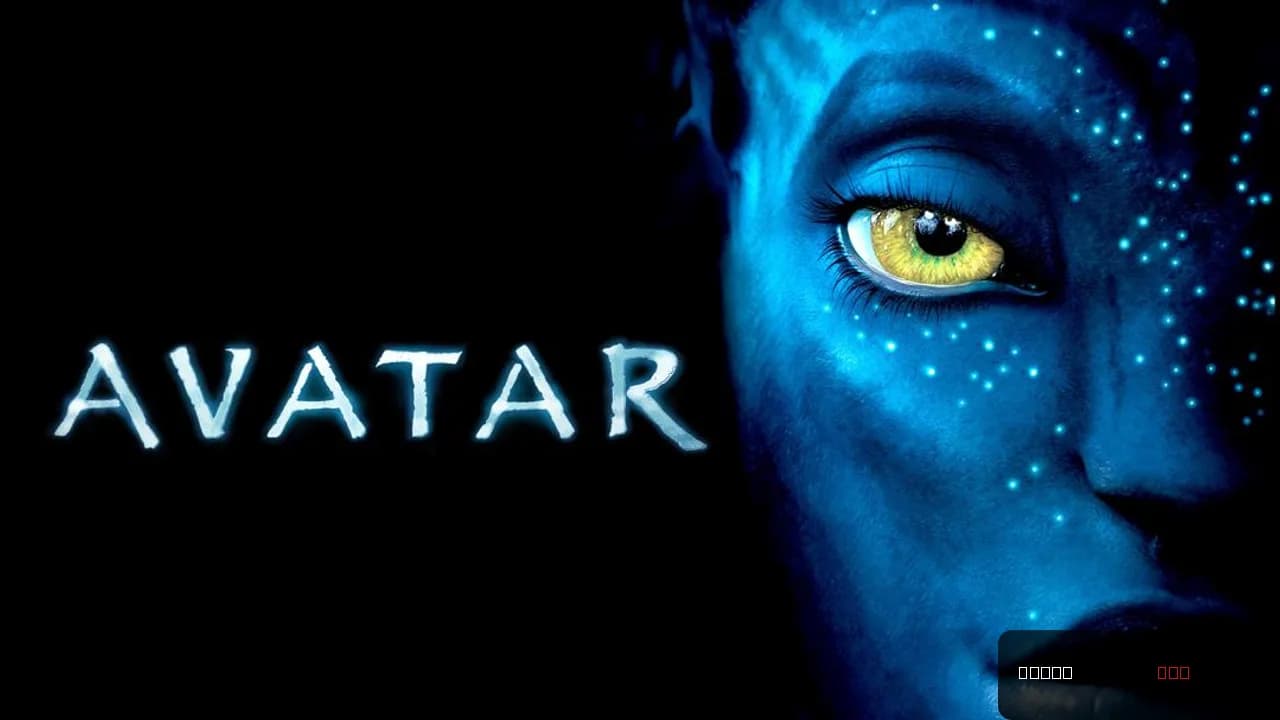




The story of Avatar: What you need to know
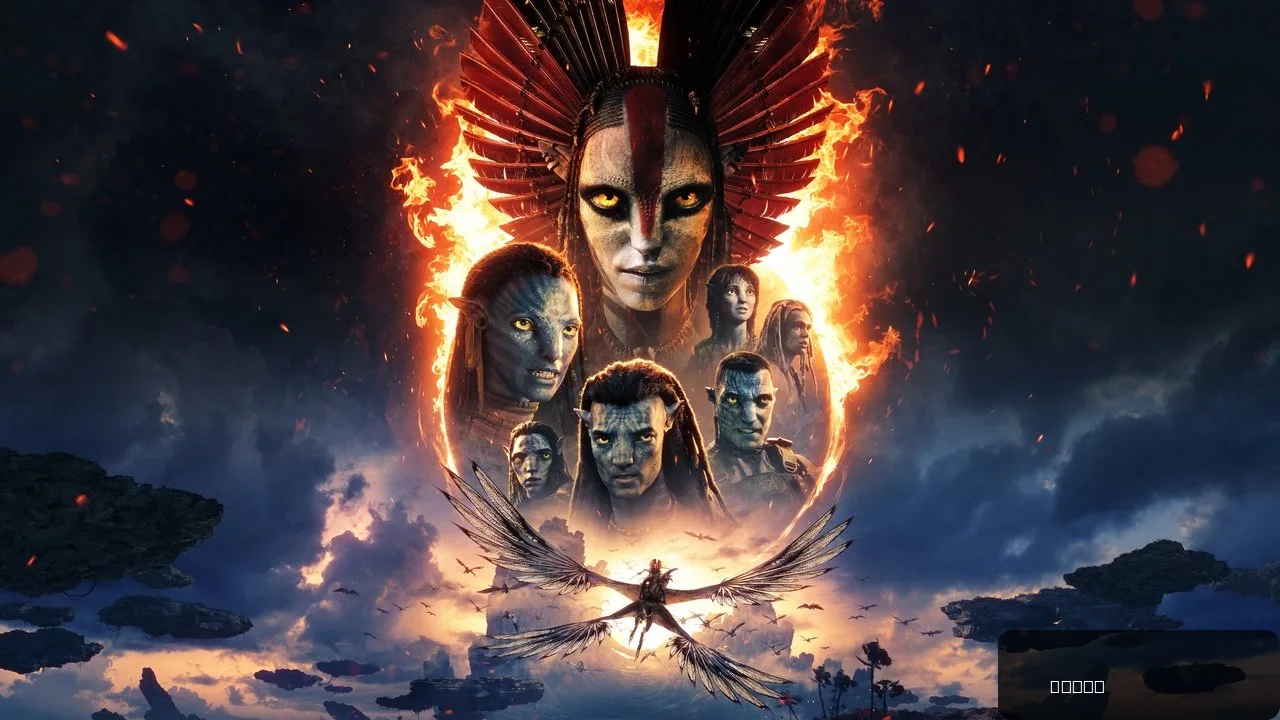
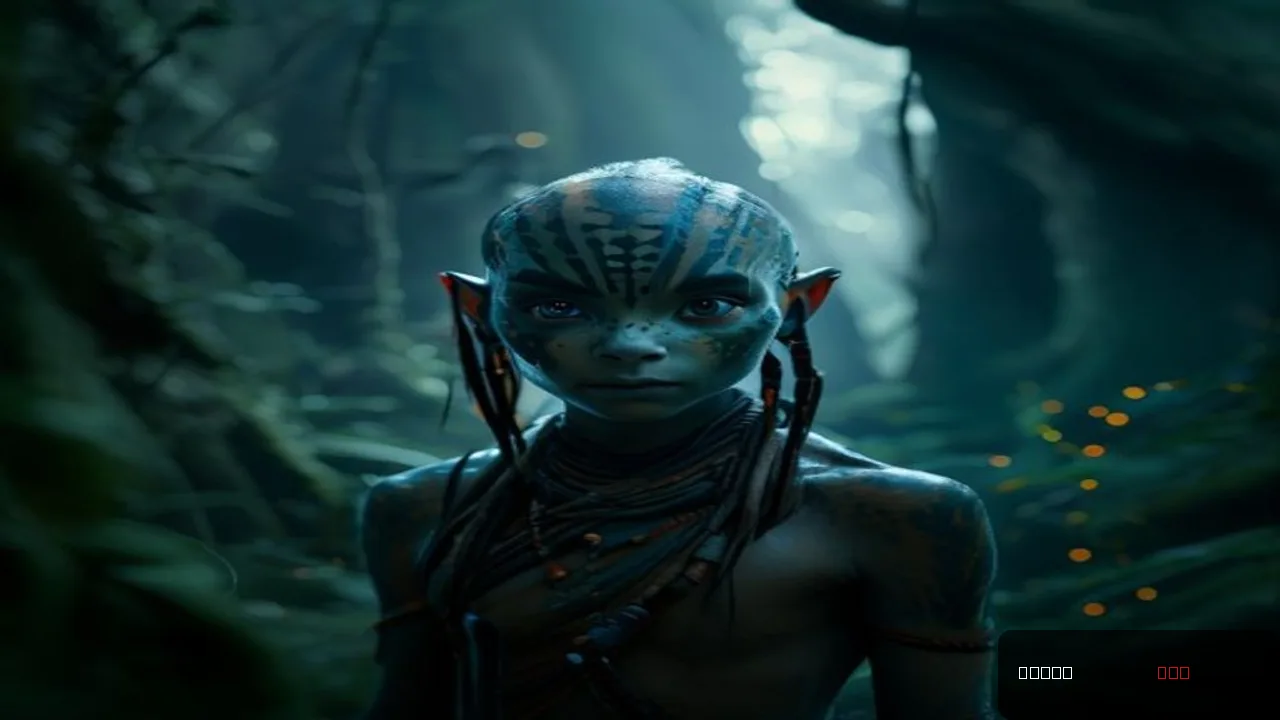
It's 2154, and humanity has reached the stars—but not in the way you'd hope. The U.S. military has colonized Pandora, a lush moon orbiting a distant planet, hunting for a precious mineral called unobtanium. Enter Jake Sully, a paraplegic ex-Marine played by Sam Worthington, who gets the chance to pilot an Avatar: a genetically engineered Na'vi body that lets him walk again and interact with Pandora's indigenous people. What starts as a military assignment becomes something far more personal when Jake falls in love with Neytiri, a Na'vi princess brought to life by Zoe Saldaña's motion-capture performance. Before long, he's caught between two worlds—the corporate machine that sent him and the tribal culture he's come to cherish. The collision of these forces sets the stage for a war that will define the fate of an entire civilization.
Behind the making of Avatar: Production, innovation, and box office history
James Cameron spent over a decade developing Avatar, and the investment paid off in ways that still astound the industry. Released in December 2009, the film became a cultural juggernaut, raking in over $2.9 billion worldwide—a record that stood for nearly a decade. Cameron's vision required groundbreaking motion-capture technology and world-building that'd never been attempted at this scale. The ensemble cast, which included Sigourney Weaver as a botanist caught in the conflict, Stephen Lang as a ruthless military commander, and Michelle Rodriguez as a tough-as-nails pilot, brought gravitas to every frame. The film earned a PG-13 rating and ran 162 minutes—long enough that some theaters had to stagger showtimes. It didn't just win awards; it fundamentally changed how studios thought about visual effects and immersive cinema. The soundtrack by James Horner became iconic in its own right, earning Grammy recognition and becoming inseparable from Pandora itself. Movie OTT tracks where blockbusters like this one land as they rotate through streaming services, and Avatar's journey across platforms has been as massive as its theatrical run.
What makes Avatar stand out: Visual spectacle meets genuine emotion
There's something almost impossible about Avatar's success—it shouldn't work as well as it does. On paper, the premise is straightforward: corporate greed versus indigenous resistance, told through a love story. But Cameron doesn't just tell that story; he builds an entire world so convincing that you forget you're watching motion-capture actors in a studio. The motion-capture technology, while now industry standard, was revelatory in 2009. Zoe Saldaña's Neytiri isn't a gimmick; she's a fully realized character with agency, intelligence, and a spine that makes her far more interesting than the typical love-interest archetype. What's striking is how the film treats its themes—the attachment to nature, the spiritual connection between the Na'vi and their world, the moral bankruptcy of colonialism—without ever feeling preachy. The battle sequences, particularly the final confrontation between human machinery and Na'vi warriors, crackle with genuine stakes. Sigourney Weaver's character serves as a bridge between both worlds, and her presence lends the entire enterprise a weight it might otherwise lack. Critics and audiences alike found themselves moved by a film that could've been empty spectacle but instead functions as something rarer: blockbuster entertainment with a conscience.
Where to stream Avatar online right now
Avatar has become a streaming staple, available across an impressive roster of platforms. Disney+ is the primary home for the film—fitting, given Disney's acquisition of 20th Century Studios—but you'll also find it on Hulu for subscribers. If you prefer to rent or purchase, the film's available on Apple TV Store, Prime Video, Google Play Movies, YouTube, and Fandango At Home, among others. International viewers can access it through JioHotstar, Rakuten TV, Sky Store, and regional services like MagentaTV and Orange VOD. The "Where to Watch" widget at the top of this page will show you current availability in your region, since these offerings shift frequently. When you're ready to jump into Pandora, you've got plenty of options—the challenge is just picking which platform suits your setup.
Frequently asked questions
Q: Who directed Avatar?
James Cameron wrote and directed Avatar, bringing his signature blend of technical innovation and emotional storytelling to the project. He'd been developing the concept for over 12 years before the film's 2009 release.
Q: Is Avatar based on a true story?
No, Avatar is an original screenplay created by James Cameron. While it draws thematic inspiration from real-world colonialism and indigenous resistance, the story, characters, and planet of Pandora are entirely fictional.
Q: What's the runtime of Avatar?
Avatar runs 162 minutes (2 hours and 42 minutes), making it a substantial theatrical experience. Plan accordingly if you're streaming it—it's a commitment, but one worth making.
Q: Why is the mineral in Avatar called unobtanium?
The name is intentionally tongue-in-cheek, a nod to the science-fiction tradition of giving fictional resources deliberately silly names. It's the kind of detail that shows Cameron's willingness to not take everything about the premise entirely seriously.
Q: Can I watch Avatar on Disney+?
Yes, Avatar is available on Disney+ as part of the standard subscription. It's also available on Hulu and numerous rental/purchase platforms if you prefer other options.
Final thoughts on Avatar
Avatar remains a watershed moment in cinema—not because it's perfect, but because it proved that blockbuster filmmaking could be both technically audacious and emotionally grounded. Rewatching it now, years after its initial release, confirms what made it stick: the world-building is exquisite, the performances (especially Saldaña's) are genuinely memorable, and the visual language still holds up. Whether you're streaming it for the first time or revisiting Pandora, Avatar demands to be seen on the biggest screen available. It's the kind of film that reminds you why cinema matters.