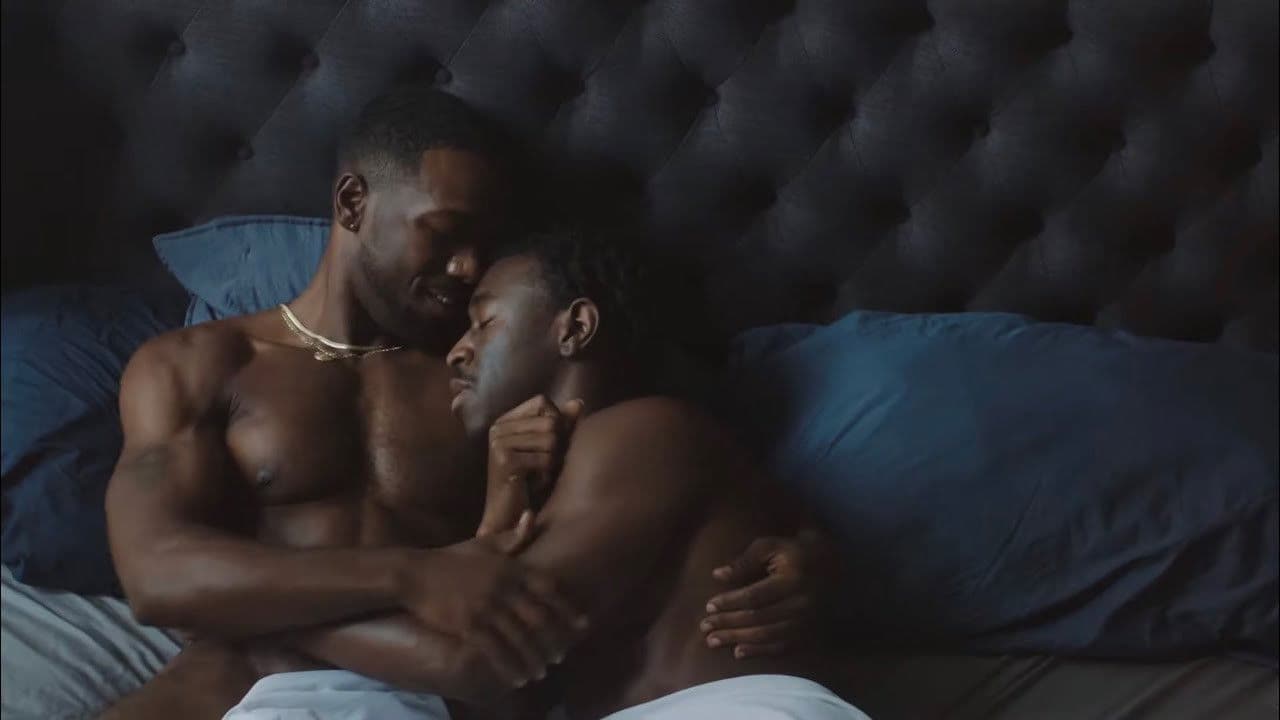




The story of B-Boy Blues unfolds in summer 1993
B-Boy Blues opens with a spark — the kind you can't plan. Mitchell Crawford, a 27-year-old journalist working in New York, walks into a gay bar in Greenwich Village and spots Raheim Rivers, a 21-year-old bicycle messenger with an undeniable magnetism. What begins as a glance across a crowded room becomes the catalyst for a relationship that'll test both men in ways they didn't anticipate. The film doesn't rush into grand declarations or manufactured drama. Instead, it settles into the quiet, messy reality of two people from different worlds trying to figure out if what they're feeling is real—or just the intoxication of a summer night in the city that never sleeps.
The chemistry between them is immediate, but so are the complications. Mitchell's intellectual world and Raheim's street-smart confidence don't naturally align, and the film leans into that friction rather than smoothing it over. There's a realness to how these characters talk to each other, argue, and reconcile that doesn't feel manufactured. Movie OTT tracks where you can watch this kind of character-driven storytelling across multiple streaming platforms, but what matters here is the story itself—and B-Boy Blues knows its story inside out.
Behind the making of B-Boy Blues and its cultural significance
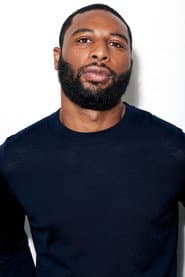
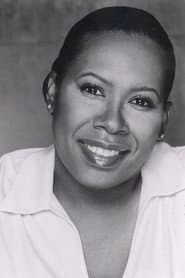
Jussie Smollett wrote and directed B-Boy Blues, adapting James Earl Hardy's 1994 novel of the same name—a book that's become something of a cult classic within Black LGBTQ+ literary circles. The film was produced by SuperMassive Movies, Story Worthy Pictures, and Winnienoah Productions, bringing together a team committed to centering Black queer narratives at a time when mainstream cinema still struggles with authentic representation. The cast includes Timothy Richardson as Mitchell and Thomas Mackie as Raheim, alongside supporting performances from Brandee Evans, Ledisi, Michael Jackson Jr., and Heather B., among others. Each actor brings specificity to their role—nobody's just filling a slot.
The film carries a TV-MA rating and runs 110 minutes, giving Smollett enough space to let scenes breathe and relationships deepen without rushing toward resolution. It earned three award nominations, which might seem modest on paper, but speaks to the film's reach within festival circuits and LGBTQ+ cinema communities. The IMDb score of 4.6/10 (based on 713 votes) reflects the kind of polarization that often greets unconventional love stories—some viewers connect deeply with what the film's trying to do, while others find its pacing or emotional register not quite their speed. What's worth noting is that critical reception and audience scores don't always tell the full story, especially when a film is deliberately made for a specific community rather than chasing broad appeal.
What makes B-Boy Blues stand out as a period romance
Honestly, the thing that gets under your skin about B-Boy Blues is how it refuses to make its characters symbols. They're not here to teach you about the Black LGBTQ+ experience or to perform trauma for your consumption. Mitchell and Raheim are just two people trying to connect, stumbling through misunderstandings, navigating class differences, and discovering what it means to be vulnerable with someone. The 1993 setting matters—it's pre-internet, pre-smartphone, a moment when queer intimacy happened in physical spaces and required real courage. But Smollett doesn't dwell on that historical weight as if it's the point. The point is the relationship.
What's striking is how the film handles the smaller moments. There's a scene where the two characters are just sitting together, and you feel the weight of what's unsaid between them—the attraction, the doubt, the wanting to trust but not quite knowing how. That's harder to pull off than big emotional climaxes, and B-Boy Blues does it consistently. The performances from Richardson and Mackie have a natural ease that makes you believe these two people actually like each other, which sounds basic until you realize how many films fail at that fundamental task. The supporting cast grounds everything in a lived-in community—you're not watching an outsider's version of Greenwich Village gay life; you're watching people who belong there.
Movie OTT's streaming aggregator makes it easy to find where B-Boy Blues is currently available, which is useful because the film rewards patient viewing. It's not a movie that'll hit you over the head with its themes or leave you with easy answers about love and commitment.
Where to stream B-Boy Blues online
B-Boy Blues is available across major OTT services, making it accessible if you know where to look. Rather than listing platforms here—that's what the Where to Watch widget at the top of this page handles—what matters is that you've got options. Check that widget to see which of your subscriptions currently carries the film, or use it to compare which service offers the best value for your viewing habits. Streaming rights shift constantly, so it's worth double-checking before you settle in for a 110-minute commitment. The good news: it's out there, and it's not hidden behind a paywall that requires a special rental fee (though that can vary by region and platform).
Frequently asked questions
Q: Is B-Boy Blues based on a true story?
No, but it's based on James Earl Hardy's 1994 novel of the same name, which was inspired by real experiences within the Black LGBTQ+ community in 1990s New York. The characters are fictional, though the world they inhabit and the feelings they navigate have roots in lived history.
Q: Who directed B-Boy Blues?
Jussie Smollett wrote and directed the film—it's his feature directorial debut. Smollett brought his own perspective to Hardy's source material, adapting the novel for screen while maintaining its focus on character and intimacy.
Q: What's the age difference between the two main characters?
Mitchell Crawford is 27 and Raheim Rivers is 21, a six-year gap that becomes part of the film's exploration of how different life stages and experiences can either draw people together or create friction.
Q: Why is B-Boy Blues set in 1993?
The 1993 setting is taken directly from Hardy's novel. It's a specific moment in queer history—pre-internet, pre-smartphone—when gay connection happened in physical spaces like bars and clubs. That historical context shapes how the characters meet and communicate.
Q: How long is B-Boy Blues?
The film runs 110 minutes, giving Smollett enough time to develop the relationship between Mitchell and Raheim without rushing through the quieter, more introspective moments that define the story.
Final thoughts on B-Boy Blues
B-Boy Blues isn't trying to be everything to everyone. It's a film about two men falling in love in a specific time and place, made with care and specificity by filmmakers who understand that story inside out. If you're looking for grand gestures or neat resolutions, you might leave frustrated. But if you're drawn to character-driven romance that trusts its audience to sit with ambiguity and complexity—if you want to watch real people navigate the messy, beautiful work of connecting with another person—B-Boy Blues deserves your time. It's the kind of film that lingers after the credits roll, not because it's trying to be profound, but because it simply got the human stuff right.