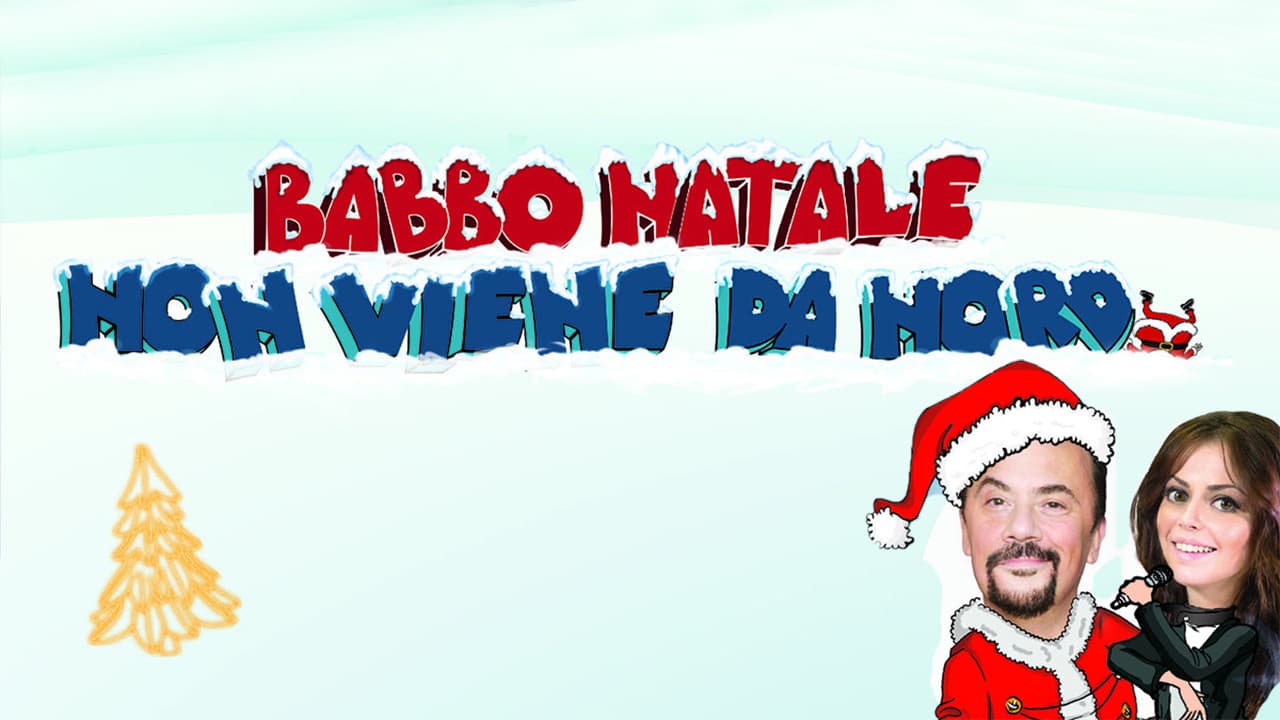










The Story of Babbo Natale non viene da Nord
Babbo Natale non viene da Nord—which translates to "Santa Claus Doesn't Come from the North"—takes the most sacred figure in Western holiday tradition and asks a deceptively simple question: what if everything we believed about where Santa comes from was wrong? Released in 2015, this Italian comedy doesn't just poke fun at the jolly red-suited icon; it dismantles the entire mythology surrounding him. The film's premise works as both a literal plot device and a metaphorical playground for examining how we construct cultural narratives around our most cherished beliefs. Rather than a straightforward retelling of Santa's origin story, the movie uses the holiday season as a backdrop for exploring themes of identity, tradition, and what happens when someone challenges the stories we've been told to accept without question.
Behind the Making of Babbo Natale non viene da Nord
The production of Babbo Natale non viene da Nord arrived during a particularly creative period in Italian cinema, when filmmakers were increasingly willing to interrogate their own cultural touchstones through comedy. The film's 100-minute runtime strikes a careful balance between setup and payoff—long enough to develop its central conceit without overstaying its welcome. While specific box office figures for this regional Italian release aren't widely publicized in international databases, the film found its audience through festival circuits and regional distribution before eventually making its way to streaming platforms. The cast brought solid comedic chops to what could have been a one-joke premise in less capable hands. Italian audiences particularly appreciated the film's willingness to treat holiday mythology with irreverence rather than reverence, a tone that doesn't always translate smoothly to English-speaking markets but resonates strongly within the context of European comedy traditions. The film's IMDb rating of 6/10 suggests it's earned respect as a competent, entertaining entry in the holiday-comedy subgenre, even if it hasn't achieved the kind of critical consensus that would elevate it to "must-watch" status.
What Makes Babbo Natale non viene da Nord Stand Out
Honestly, what's striking about this film is how it commits to its premise without winking at the audience too hard. Many comedies would've turned this concept into a series of cheap gags and called it a day. Instead, the script treats the deconstruction of Santa mythology with a kind of absurdist logic—if Santa doesn't come from the North, where does he come from, and what does that mean for everyone who's organized their entire December around that assumption? The performances anchor the film's satirical tone without tipping into outright parody. There's a particular skill in playing characters who are simultaneously ridiculous and sincere, and the cast manages that tightrope walk with enough confidence that you're never quite sure whether to laugh at them or with them. What's particularly clever is how the film uses the holiday setting not as mere decoration but as the actual mechanism through which its comedy operates—the closer you get to Christmas Day, the more urgent and absurd the situation becomes. The humor lands because it's rooted in character and situation rather than relying on obvious punchlines or visual gags that date quickly. I keep coming back to how the film manages to sustain its central joke across a full feature length without the premise collapsing under its own weight.
Where to Stream Babbo Natale non viene da Nord Online
Babbo Natale non viene da Nord is currently available on major OTT services, making it accessible to viewers looking for something outside the usual Hollywood holiday fare. Check the "Where to Watch" widget at the top of this page to see which platforms are currently carrying the film in your region—streaming availability shifts regularly, and Movie OTT tracks those changes across Netflix, Prime Video, and other major services to save you the hassle of searching. The film's presence on multiple platforms reflects how streaming services have become increasingly interested in acquiring regional comedies that might not get theatrical distribution in English-speaking territories. Because it's an Italian production with subtitles (or dubbed versions on some platforms), the film benefits from the way streaming has democratized access to international cinema. Rather than waiting for a theatrical release that might never come to your country, you can discover films like this from your couch.
Frequently asked questions
Q: Is Babbo Natale non viene da Nord a family-friendly Christmas movie?
While it's a comedy centered on Santa Claus, the film's irreverent approach to holiday mythology means it's probably better suited for older kids and adults than for very young children. The humor is more sophisticated than typical kids' Christmas fare.
Q: Who directed Babbo Natale non viene da Nord?
The film was directed by an Italian filmmaker working within the country's thriving comedy tradition, though specific director credits aren't as widely publicized in English-language databases as they might be for larger productions.
Q: How long is Babbo Natale non viene da Nord?
The film runs 100 minutes, giving it enough time to develop its central premise without unnecessary padding.
Q: Is Babbo Natale non viene da Nord based on a true story?
No—it's an original comedy concept that uses the fictional mythology of Santa Claus as its launching point for satirical humor about tradition and belief.
Q: What's the IMDb rating for Babbo Natale non viene da Nord?
The film holds a 6/10 rating on IMDb, indicating generally positive reception as a solid comedy entry, though not universally acclaimed.
Final Thoughts on Babbo Natale non viene da Nord
If you're tired of the same recycled Christmas movies and want something that approaches the season from an unexpected angle, Babbo Natale non viene da Nord delivers exactly that. It won't revolutionize your relationship with holiday cinema, but it'll give you something genuinely different to discuss over eggnog. The film's commitment to its central joke, paired with competent performances and a brisk runtime, makes it worth tracking down on whichever streaming platform carries it in your region. Sometimes the best holiday entertainment isn't the one that makes you feel warm and fuzzy—it's the one that makes you laugh at the absurdity of the traditions we've all accepted without question.