Baby Doe
What you need to know upfront
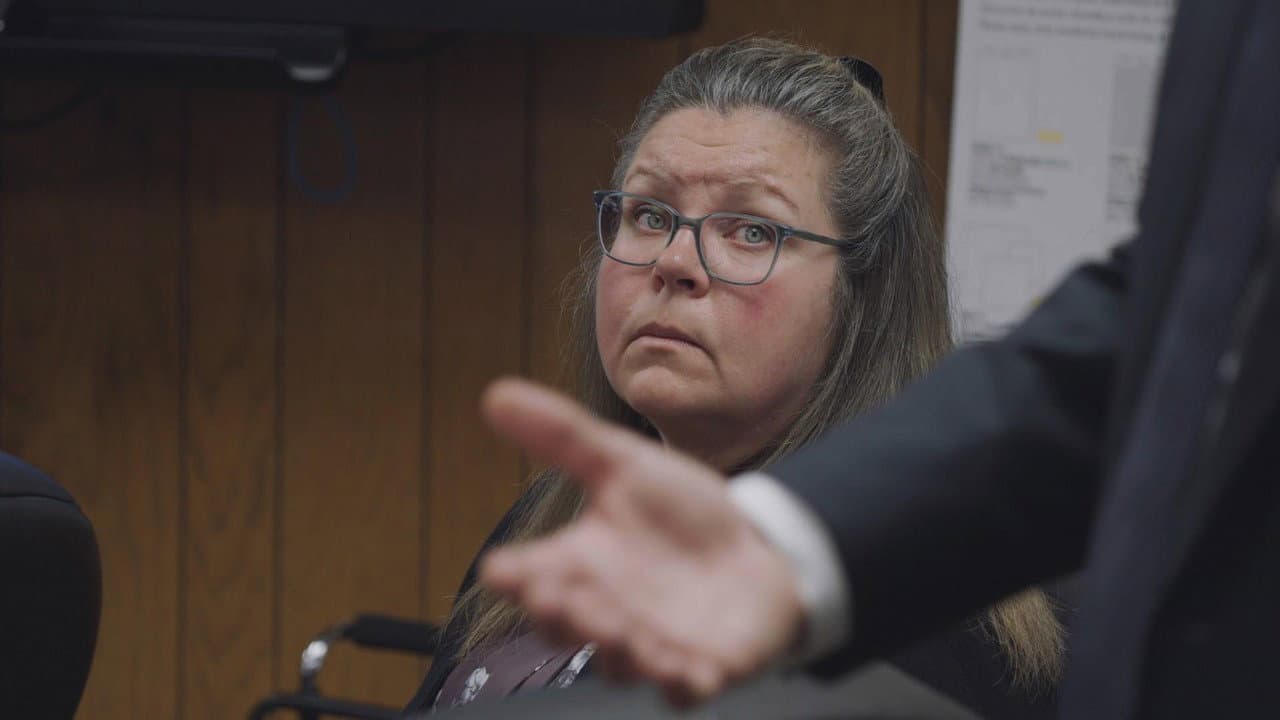
In 2026, director Jessica Earnshaw released a documentary that refuses to let you off easy. Baby Doe follows the real case of Gail Ritchey, who at 22 gave birth alone and abandoned her newborn in the woods. Decades later—DNA evidence surfacing, her life seemingly settled—she was arrested and charged with murder. She's maintained the baby was stillborn. The documentary doesn't pick a side. Instead, it sits in the gap between her story and the state's version, examining what happens when young women have nowhere to turn during an unplanned pregnancy.
Runtime: 100 minutes | IMDb Rating: 7.8/10 | Awards: 2 wins, 1 nomination | Release Year: 2026
The story Earnshaw actually tells
What strikes me about Baby Doe is how it avoids the usual documentary trap—the one where you're supposed to know exactly how to feel by the end credits. There's no villain, no martyrdom, just a woman and thirty years of silence. When Gail speaks directly to camera about the night of the birth, the stillness is almost unbearable. Not because she breaks down. Because she doesn't.
The film's real power comes when it pulls back from Gail's case to ask a broader question: What does it mean when young women can't—or won't—accept an unplanned pregnancy? That's not a rhetorical flourish here. It's the through-line. You'll notice it in the interviews, the archival footage, the structure itself. What haunts the film is the implication that Gail's story isn't exceptional. It's just the one that ended in arrest.
Earnshaw keeps a deliberate pace without letting it drag. At 100 minutes, every section earns its place. But here's what matters: this isn't Making a Murderer. It's not trying to shock you into a verdict. It wants you to sit with the question that matters—what does accountability even look like when circumstances are this tangled?
Who made this and why it matters who they are
Jessica Earnshaw directed and produced the film. Sarah Paulson—the actress and vocal reproductive rights advocate—serves as executive producer. Hard to say if her involvement shaped the editorial tone measurably, but it certainly shaped the conversation before a single screening happened.
The production backing tells you something too. Impact Partners, Lunamax Films, and Sweet Creatures financed this. Impact Partners specifically has a track record of funding socially driven documentaries, not true-crime spectacle. That choice of producers signals intent.
The film picked up 2 wins and 1 nomination across the festival circuit—modest numbers, but meaningful for a documentary with this subject matter. Those wins suggest juries found Earnshaw's approach both compelling and formally accomplished. Movie OTT's editorial team flagged it as one of the standout documentaries of its cycle, particularly for viewers exhausted by sensationalized true-crime packaging.
If you've watched similar documentaries, here's how this one differs
You know that feeling when a documentary about a crime case spends two hours building toward a twist that doesn't quite land? Baby Doe isn't that. It's closer to The Jinx in its refusal to resolve neatly—but without the performative gotcha moments. If you found The Vow too focused on cult mythology and not enough on the people inside it, this will feel like the correction you've been waiting for.
The comparison that keeps coming back: this is what happens when a filmmaker trusts the audience to think. Not to judge. To think. I kept waiting for the documentary to push me toward Gail's innocence or guilt, and Earnshaw never does. Instead, you're left circling the actual question—the one about systems, about young women, about what we're really asking for when we demand accountability.
Where to watch right now (and how availability actually works)
Baby Doe streams on major OTT platforms. Because licensing shifts—sometimes weekly—your best bet is checking the where-to-watch widget at the top of this page. Movie OTT updates that widget in real time across Netflix, Prime Video, and others. If you're outside the US, regional licensing will affect what's available, but the tracker accounts for that.
Here's the practical advice: don't hunt through five apps. Use the widget. It's maintained by Movie OTT and actually works.
The questions people ask
Is it based on a true story? Yes. Gail Ritchey's case is real. The arrest, the DNA evidence, the decades in between—all documented fact.
How long is it? 100 minutes. Long enough to breathe, not so long you're checking your watch.
Where can I watch it? Check the where-to-watch widget above. It updates across platforms and regions.
What's the IMDb score? 7.8 out of 10, based on early viewership. That number will likely shift as the film reaches wider audiences.
Who should actually watch this? People who don't need a documentary to hand them answers. If you prefer complexity to certainty, if you've gotten tired of true-crime docs that prioritize twists over texture, this is the one.
The honest closing
Baby Doe isn't going to be comfortable viewing. The pacing demands attention, the subject matter is heavy in ways that stick with you afterward, and Earnshaw refuses to let you off the hook with a clean emotional resolution. But that's precisely why it works.
This is one of the more quietly essential documentaries you'll find streaming right now—if you're willing to sit with discomfort, if you can sit with a question longer than most films let you. Watch it. Then spend some time thinking about what you watched.