








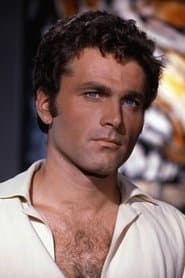
The Story of Bad Inclination
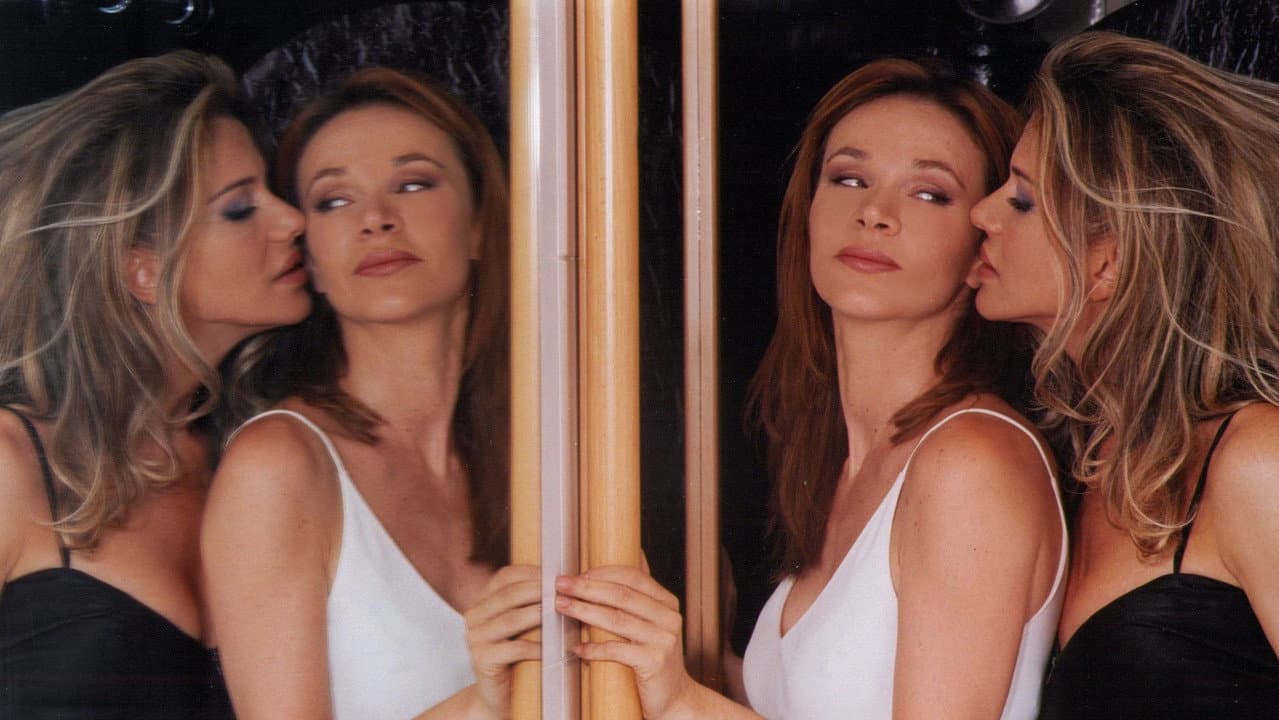
Bad Inclination opens on a premise that's both specific and unsettling: a serial killer is murdering women using a carpenter's set square as his weapon. What starts as a straightforward crime investigation quickly spirals into something far messier and more disturbing. The story doesn't stay focused on the killer himself—instead, it pivots to examine what happens when the media latches onto a case, when notoriety becomes currency, and when the publicity surrounding a killer's work inspires other damaged people to attempt their own versions of infamy. It's a film about contagion. Not the biological kind, but the psychological kind. How obsession spreads through a city like wildfire once the cameras start rolling and the headlines scream.
Behind the Making of Bad Inclination
Bad Inclination was produced by Bell Film in 2003, arriving at a moment when serial killer narratives were becoming increasingly common in cinema and television. The 95-minute runtime is lean and deliberate—no padding, no unnecessary subplots stretching toward a two-hour mark. What's striking is how the film commits to its premise without the kind of big-name cast or studio backing that typically guarantees distribution. Bell Film brought together a crew willing to explore uncomfortable territory: the intersection of criminal psychology, media sensationalism, and copycat violence. The film didn't generate significant box-office buzz or major awards recognition, which is telling in itself. It arrived in theaters or went direct-to-video in an era when straight-to-video thrillers often meant lower production values and limited theatrical ambition. Yet the concept—a killer whose crimes inspire other killers—remains genuinely provocative, the kind of idea that doesn't require A-list talent to land its impact.
What Makes Bad Inclination Stand Out
There's something genuinely unsettling about a film that refuses to make its killer the protagonist. Bad Inclination doesn't ask you to understand the original murderer's psychology or sympathize with his backstory. Instead, it shifts focus to the chaos he creates simply by existing in the public eye. The copycat angle is where the real horror lives—not in the initial crimes, but in the notion that violent notoriety can be contagious, that desperation and mental illness and the hunger for recognition can combine into something that spreads through a city like a virus. The film's willingness to follow this thread, to suggest that media coverage and public fascination can actually generate more violence, feels prescient even now. What's harder to defend is the execution. With an IMDb rating of 2.889 out of 10, Bad Inclination clearly didn't connect with most viewers who encountered it. The pacing may feel off, the performances uneven, the budget constraints visible in ways that undermine rather than enhance the material. It's possible to admire the concept while acknowledging that the film itself doesn't quite pull off what it's attempting—which is its own kind of tragedy, honestly.
Where to Stream Bad Inclination Online
Bad Inclination is available on major OTT streaming services, and you can check the Where to Watch widget at the top of this page to see which platform currently has it in your region. Streaming availability shifts regularly, so what's on Netflix today might move to Prime Video or another service tomorrow. Movie OTT tracks these changes across multiple platforms, so you don't have to hunt through five different apps to find where a title lives. For a film like Bad Inclination—obscure enough that it won't dominate the homepage but interesting enough to seek out—knowing where it actually streams saves you from the frustrating loop of searching, not finding, and assuming it's gone from the internet entirely.
Frequently asked questions
Q: Is Bad Inclination based on a true story?
No, Bad Inclination is a fictional thriller. While copycat crimes are a real phenomenon that criminologists study, this particular narrative about a carpenter's set square killer and the media frenzy that follows is original fiction. The film uses a real-world concern as its thematic anchor, but the specific plot and characters are invented.
Q: Who directed Bad Inclination?
Bad Inclination was produced by Bell Film in 2003. While specific directorial credits aren't universally documented in all databases, the film represents a deliberate creative vision focused on the intersection of serial crime and media sensationalism rather than traditional crime-procedural storytelling.
Q: How long is Bad Inclination?
The film runs 95 minutes, a lean runtime that keeps the story moving without significant digression. For a thriller centered on escalating copycat violence, that length allows the narrative to build tension without overstaying its premise.
Q: What genres does Bad Inclination fall into?
Bad Inclination is classified as a thriller, crime drama, and horror film. The horror element comes less from jump scares or supernatural elements and more from the psychological dread of watching violence inspire more violence across a city.
Q: Where can I watch Bad Inclination right now?
Check the Where to Watch widget on this page to see which streaming services currently carry Bad Inclination in your location. Availability varies by region and changes frequently, so Movie OTT keeps that information updated so you can find it instantly.
Final Thoughts on Bad Inclination
Bad Inclination is a film that deserves a second look, even if it doesn't entirely succeed on first viewing. The core idea—that a killer's notoriety can breed copycat violence, that media coverage can be contagious—remains genuinely thought-provoking. It's flawed. The execution doesn't match the ambition. But there's something valuable in a 2003 thriller that was willing to ask uncomfortable questions about how we consume crime stories and what we might inadvertently encourage when we obsess over them. If you're interested in crime thrillers that take unconventional angles, or if you're curious about how low-budget films tackle provocative concepts, Bad Inclination rewards patient viewing despite its rough edges.