Bang My Box: The Robin Byrd Story
A 79-minute portrait of New York's most uncompromising broadcaster
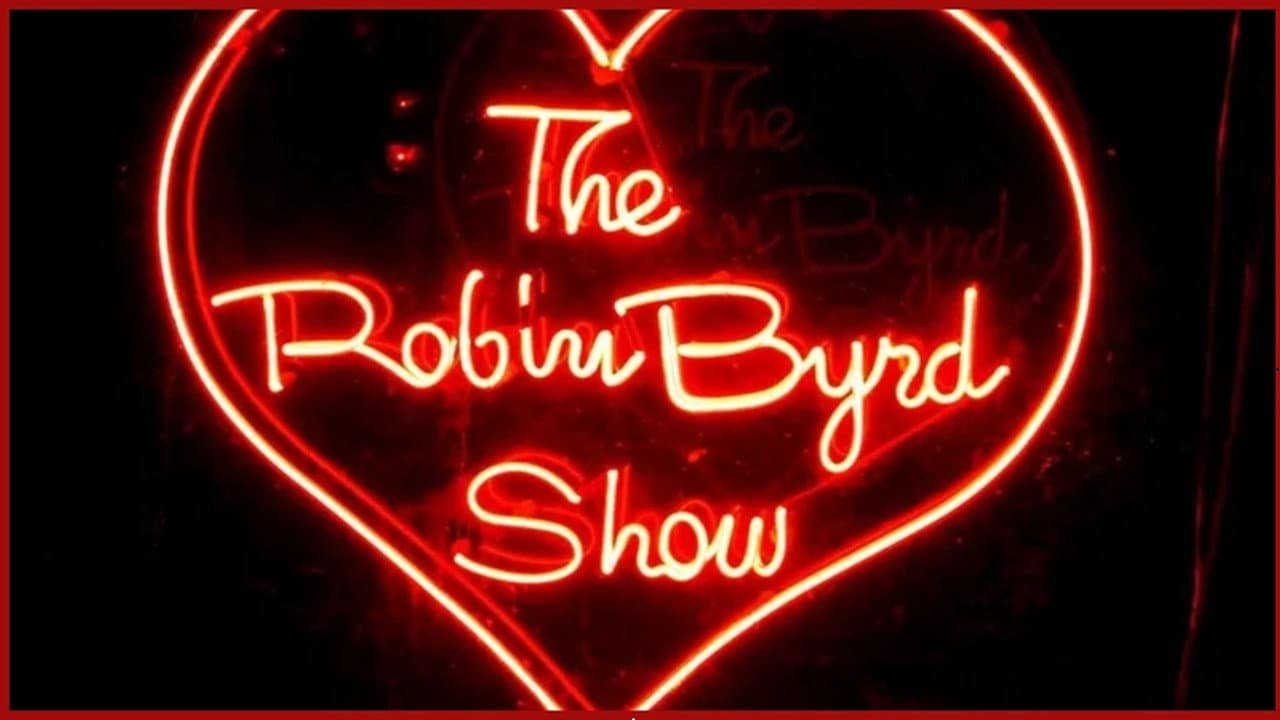
Robin Byrd hosted a sex-positive, call-in variety show on Manhattan Cable's Channel J from 1977 to 1998 — more than two decades on public-access television, the only platform that would let her do it. Now 70 and retired, she's the subject of a new documentary that premiered at the 2026 Tribeca Festival. The film isn't nostalgia bait. It's a serious look at First Amendment battles, queer visibility in an era before the internet, and a decades-long marriage that stayed hidden from viewers the entire time her face was on screen every week. That gap between the public persona and the private life? That's where the real story lives.
The thing nobody mentions enough about public-access documentaries is how easily they become comedy — the weird lo-fi aesthetic becomes the whole point, and the subject becomes a punchline instead of a person. Directors Jyllian Gunther and Stephanie Schwam don't let that happen here. What's striking is the way they hold Byrd's AIDS-era safe-sex advocacy alongside the more salacious material without treating one as more "legitimate" than the other. Channel J in the late 1970s and through the 1980s was one of the few places in American media where queer performers could appear without apology. Byrd understood—maybe instinctively, maybe strategically—that her platform was doing something the mainstream wouldn't touch.
The legal fights that made her legacy serious
Byrd's show survived repeated attempts at censorship. The legal battles that followed weren't minor local squabbles; they climbed through the courts and became part of a larger national conversation about public-access rights and broadcast decency. For a 79-minute film, that's a lot of ground to cover. The directors earn credit for making the legal history feel personal rather than procedural—tied to Byrd's actual stakes, not just doctrine.
A quick scan of Movie OTT's documentary archive shows how rare it is for a public-access doc to give this much weight to the First Amendment angle. Most either lean into the weird archive footage or focus entirely on the performer. Gunther and Schwam do both, but they're building toward something bigger: the idea that what Byrd did mattered, not just as entertainment but as a fight for who gets to speak.
Why the marriage reveal isn't a gimmick
She was performing one version of herself on television for two decades. The film asks what was happening in the other version. A husband kept largely offscreen for the entirety of her public career. That could've been sensational—a twist designed to shock. Instead, it lands as quiet and humanizing. The contrast between the bombast of Channel J and the private life behind closed doors gives the documentary its emotional weight. You're not watching someone's secret get exposed; you're watching someone choose what she wanted the world to see, and then watching her decide it's time to talk about what she kept hidden.
Honestly, that restraint is what separates this from a lot of festival docs that hinge on a single revelation and don't know what to do after.
Tribeca 2026: the directors and producers behind the film
Directors: Jyllian Gunther and Stephanie Schwam
Producers: Sarah Jessica Parker, Alison Benson, Caroline Waterlow, plus Gunther and Schwam
Production companies: Pretty Matches Productions, Laylow Pictures, HBO Documentary Films
Runtime: 79 minutes
Premiered: 2026 Tribeca Festival (Documentary Competition)
The HBO Documentary Films backing signals genuine curatorial confidence, not novelty booking. This could've been a scrappier, fan-made project. Instead, it carries institutional weight. Sarah Jessica Parker's involvement isn't purely decorative—she's been a consistent champion of New York stories told with specificity rather than sentiment, and her fingerprints on the project help explain why the film moves with such purpose. Seventy-nine minutes. No padding. The directors don't try to reconstruct every episode or trace every legal skirmish in granular detail; they move forward and trust you'll follow.
Where to watch
Bang My Box: The Robin Byrd Story streams on Max starting June 30, 2026. That's the primary home following the Tribeca premiere—HBO Documentary Films productions go to Max first. Subscribers should find it in the documentary section at launch. If the film picks up additional distribution deals after its festival run (common for strong docs), those will show up in Movie OTT's where-to-watch tracker, which updates across platforms in real time. Availability can shift, so checking back is worth it if you don't see it on your usual services right away.
Who should watch this
Bang My Box is the right film for anyone who thinks they already know the Robin Byrd story—because they probably don't, not fully. Documentary fans interested in media history, First Amendment battles, or queer cultural preservation will find something genuinely substantive. It's not a film that requires nostalgia for public-access television to work; it works as a character study first. Seventy years old. Decades of secrets. A legacy that's stranger and more serious than the late-night punchlines ever suggested. That's enough. If you've ever wondered what public-access television actually meant to people who had nowhere else to go, this answers it.