




What the 1966 Batman Story Is Really About
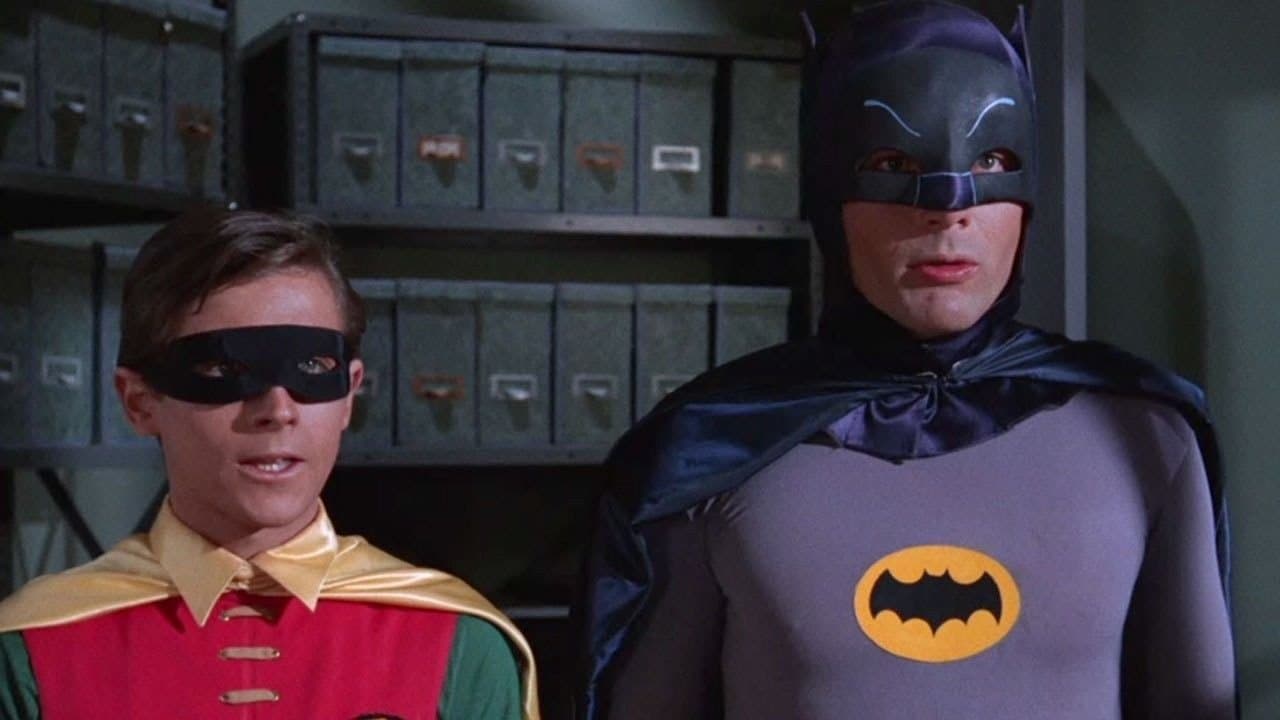
The plot of Batman unfolds like a fever dream of 1960s spy-fi and comic-book excess. The Dynamic Duo—Batman and Robin—must stop four super-villains who've hatched a scheme to hold the world ransom using a secret invention that instantly dehydrates people. It's the kind of premise that shouldn't work, yet somehow it does. The villains aren't trying to destroy Gotham or test the hero's moral code; they're literally trying to shrink humans to dust. No pretense. No psychological warfare. Just a machine and a ransom note. What makes it click, though, isn't the plot itself—it's the absolute commitment everyone brings to treating this absurdity as genuine stakes.
The story moves at a breakneck pace, piling on gadgets, ridiculous dialogue, and scenes that seem designed to wink at the audience without ever breaking character. Batman doesn't crack a smile, not once. Neither does Robin. That's the secret sauce. They're solving a dehydration crisis like it's the Cuban Missile Crisis, and the contrast between their deadpan delivery and the sheer silliness of what's happening creates a comedic tension that still lands decades later.
Behind the Making of Batman: From TV to Theater
Batman arrived in theaters in 1966 as a full-length theatrical spin-off of the wildly popular television series that had premiered just two years earlier. Director Leslie H. Martinson helmed the film, working from a script that essentially took the TV formula and expanded it to feature length—a risky move that could've felt padded or repetitive. Instead, the film maintains the kinetic energy of the series while adding production values that made the Batcave look genuinely impressive on the big screen. William Dozier Productions partnered with 20th Century Fox and Greenlawn Productions to bring the project to life, and the timing was crucial: the film hit theaters just two months after the first season of the television series concluded, capitalizing on what was already a genuine cultural moment.
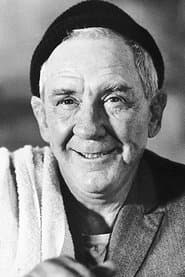
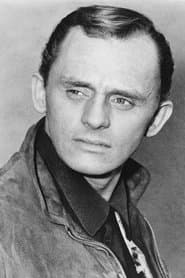
Adam West and Burt Ward returned to their iconic roles, bringing the same meticulous commitment to their characters that made the TV show a phenomenon. The film reunited most of the original cast, though there was one notable swap: Julie Newmar, who played Catwoman on television, was replaced by Lee Meriwether for the theatrical release. This casting change has been debated by fans for decades—not because Meriwether wasn't capable, but because Newmar's interpretation had become so integral to the show's identity. The supporting cast, including Burgess Meredith as the Penguin and Frank Gorshin as the Riddler, brought their considerable talents to what could've been throwaway villain roles but instead became memorable performances. The 105-minute runtime gave the story breathing room that the 22-minute TV episodes never had, allowing for extended sequences and more elaborate set pieces. At the box office, the film found an audience that appreciated both the earnest superhero action and the unintentional (or intentional—hard to say) comedy of it all.
Why the 1966 Batman Still Works as Intentional Comedy
What's striking is how the film operates on two levels simultaneously, and I'm not sure the filmmakers always knew which level they were working on. The action sequences are genuinely well-staged—there's a fight scene involving a shark that's legitimately tense, complete with Batman deploying shark repellent Bat-Spray. That's not incompetence; that's precision filmmaking in service of an absurd premise. The cinematography is clean, the editing is sharp, and the production design of the Batcave is genuinely impressive for 1966. Yet the dialogue, the plot mechanics, the villains' cartoonish schemes—they're all played with such stone-faced seriousness that the comedy emerges from the gap between form and content.
Adam West's performance is the linchpin. He doesn't play Batman as a figure of fun; he plays him as a detective who takes everything—and I mean everything—with absolute gravity. When he's discussing the dehydration threat or explaining some absurd piece of Bat-technology, he sounds like he's briefing the Joint Chiefs of Staff. That commitment is what makes lines like "This looks like a job for the Dynamic Duo" land as comedy gold rather than cringe. The thing nobody mentions is that West was actually a trained Shakespearean actor, and you can feel that classical training in every earnest gesture and measured line reading. He's not winking at the camera; he's inhabiting a character who exists in a world where dehydration rays and shark repellent are legitimate crime-fighting concerns.
Burt Ward, as Robin, matches West's energy without ever trying to undercut it. Their chemistry feels genuine—there's real affection between Batman and Robin, which grounds the relationship and makes their partnership feel earned rather than just a plot mechanism. The IMDb rating of 6.369/10 reflects the film's odd position in cinema history: it's not quite a straight action film, not quite a comedy, and yet it works as both. Critics have softened on it over the decades, recognizing that whether intentional or not, the film captured something true about the Batman character—his obsessive dedication to an impossible task.
Where to Stream Batman in 2024
Tracking down where to watch Batman has gotten easier thanks to streaming aggregators like Movie OTT, which keeps tabs on which platforms carry titles as licensing agreements shift. The film is currently available on major OTT services, and you can check the "Where to Watch" widget at the top of this page to see exactly which platform has it in your region right now. Streaming rights for older films can be complicated—Batman might move between services depending on licensing cycles—so that widget's real-time data is genuinely useful rather than just promotional window dressing. Whether you're rewatching it for the hundredth time or discovering it fresh, the film's 105-minute runtime makes it a perfect weekend watch. You'll want to come in with the right expectations: this isn't gritty, modern Batman. It's the version where the hero has a utility belt with 14 different compartments and a Bat-Shark-Repellent spray.
Frequently asked questions
Q: Who directed the 1966 Batman film?
Leslie H. Martinson directed Batman, bringing the television series to the big screen with expanded production values and a feature-length runtime. He maintained the TV show's tone while elevating the visual scope.\n Q: Is the 1966 Batman based on a true story?
No, Batman is based on the DC Comics character and the 1960s television series of the same name. The plot about dehydration weapons and world ransom schemes is entirely fictional—comic-book fiction at that.\n Q: Why was Catwoman recast for the Batman film?
Julie Newmar, who played Catwoman on the TV series, was replaced by Lee Meriwether for the theatrical film. The exact reasons for the change aren't definitively documented, but it remains one of the more debated casting decisions in the film's history.\n Q: Where can I watch the 1966 Batman movie?
Batman is available on major OTT streaming services. Use the "Where to Watch" widget at the top of this page to see which platforms currently have it in your region, as licensing can vary.\n Q: How long is the 1966 Batman film?
The film runs 105 minutes, giving the story significantly more breathing room than the 22-minute television episodes while maintaining the same campy tone and earnest approach to absurd scenarios.\n
Final Thoughts on Why Batman Deserves Another Look
Honestly, Batman is one of those films that rewards rewatching with a crowd—preferably people who understand what they're getting into. It's not a guilty pleasure; it's a film that's genuinely well-made, genuinely funny, and genuinely committed to its premise. Whether you're approaching it as a historical artifact from the height of 1960s Bat-mania or as a surprisingly effective comedy, there's something here worth your time. The performances are solid, the production design holds up, and the dehydration plot is just weird enough to stick with you. If you've never seen it, Movie OTT's streaming availability tracker makes it easier than ever to find it. If you have seen it, you probably already know why it's worth revisiting.