






The Story of Bear Cub
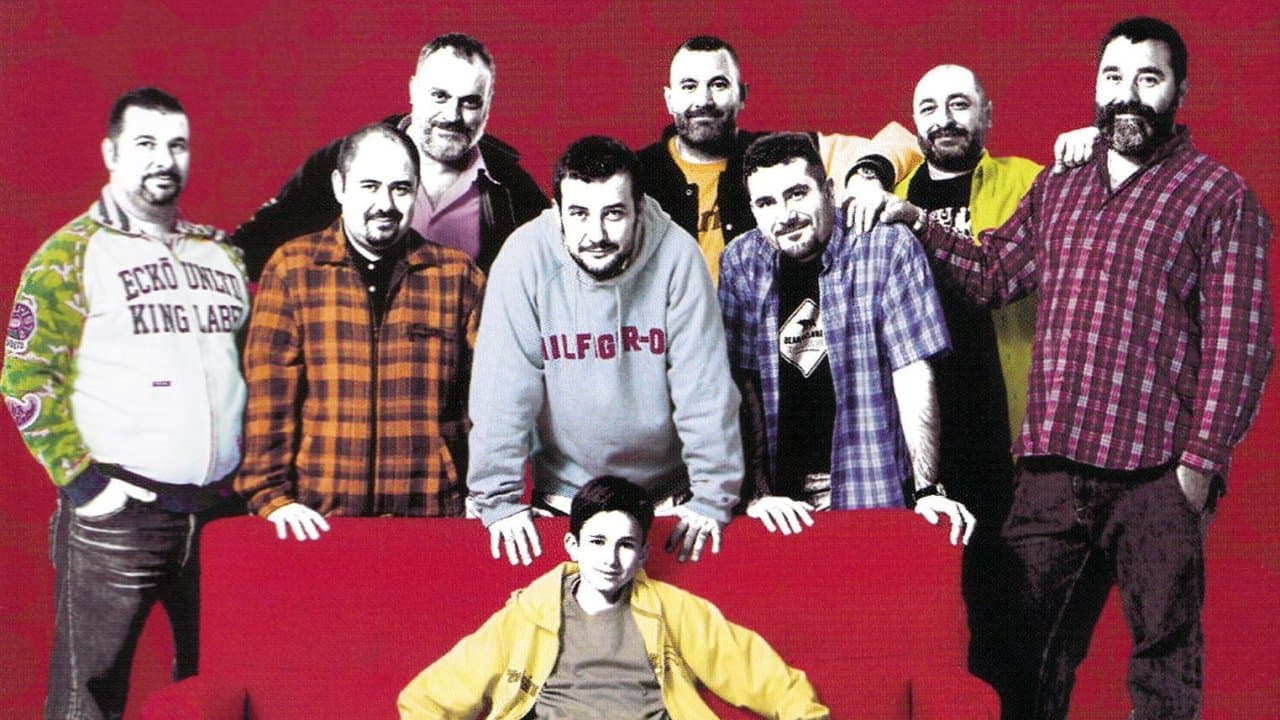
Bear Cub opens on Pedro, a bearish gay man living his best life with an active social calendar and a wide circle of friends who keep him entertained and grounded. His world shifts when his sister heads off to India and asks him to watch her 9-year-old son, Bernardo, for a couple of weeks. What's meant to be a brief stint of uncle duty gradually becomes something more permanent, forcing Pedro to reckon with a life he never planned: single parenthood. The film doesn't shy away from the messiness of that transition — the awkwardness, the humor, the genuine love that emerges when two people from completely different life stages have to figure out how to live together.
Behind the Making of Bear Cub
Bear Cub arrived in 2004 as a Spanish production helmed by director and co-writer Miguel Albaladejo, who crafted a story that felt both personal and universal. The film was produced through a robust coalition of Spanish broadcasters and production companies — Canal+ España, Generalitat Valenciana, Hispanocine Producciones Cinematográficas S.L., Star Line TV Productions, TeleMadrid, TVE, and IVAC all came together to bring this story to life. That level of institutional support signals the film's cultural importance within Spanish cinema at the time, even if it didn't achieve massive international box-office traction. The 99-minute runtime gives Albaladejo enough breathing room to let scenes unfold naturally rather than rushing through emotional beats. With a runtime that precise, you can tell the editor knew exactly what mattered and what didn't.
The film earned a respectable 6.4 rating on IMDb, suggesting it found an appreciative audience despite not becoming a mainstream breakout hit. What's striking is that the film managed to secure funding and distribution across multiple public broadcasters — a testament to how Spanish television and film institutions recognized the story's merit and its potential to spark conversation about family, identity, and what it means to build a home with someone you didn't expect to raise.
What Makes Bear Cub Stand Out
Honestly, the film's greatest strength lies in its refusal to sentimentalize the relationship between Pedro and Bernardo. This isn't a heartwarming made-for-TV movie where everything clicks into place by the final scene. Instead, Albaladejo lets the tension breathe — Pedro has to actually change his life, cut back on his social whirlwind, and learn to think about someone other than himself. That's harder than it sounds, and the film doesn't pretend otherwise. The early scenes where Pedro tries to maintain his old lifestyle while caring for a kid are genuinely funny without being mean-spirited, and they ground the comedy in real conflict rather than cheap laughs.
What nobody mentions often enough is how the film treats Pedro's sexuality as completely unremarkable — it's not the point, and it's not what the story is wrestling with. The point is parenthood, responsibility, and the unexpected ways we grow. By centering a gay man's journey into fatherhood without making his sexuality the dramatic crux, Albaladejo was doing something quietly progressive for 2004 Spanish cinema. The performances anchor everything; you believe these two characters learning to live with each other because the actors commit to the mundane, unglamorous moments alongside the bigger emotional beats. A scene where they're just figuring out breakfast routines or arguing about bedtime carries as much weight as any grand declaration of love.
How to Stream Bear Cub Online
Bear Cub is currently available across major OTT services, and you can check the Where to Watch widget at the top of this page to see exactly which platforms are carrying it right now. Streaming availability shifts regularly depending on licensing agreements, so that widget keeps you updated in real time rather than relying on outdated information. If you're browsing Movie OTT looking for similar Spanish-language dramedies or films exploring unconventional family structures, you'll find that Bear Cub sits nicely in a category of character-driven European cinema that doesn't get nearly enough visibility in English-speaking markets. The 99-minute length makes it a perfect weeknight watch — long enough to feel substantial, short enough that you won't feel like you're committing to an epic.
Frequently asked questions
Q: Who directed Bear Cub?
Miguel Albaladejo both wrote and directed the film. He brings a warm, observational style to the material, letting scenes unfold naturally rather than forcing emotional moments.
Q: What year was Bear Cub released?
Bear Cub came out in 2004. It's a product of that era's European cinema, which was producing a lot of thoughtful character studies about family and identity.
Q: Is Bear Cub based on a true story?
There's no indication that Bear Cub is based on a specific true story, though the premise — an unexpected guardian taking in a child — certainly draws from experiences many people have lived through.
Q: How long is Bear Cub?
The film runs 99 minutes, which gives the narrative room to develop its characters and relationships without overstaying its welcome.
Q: What genres does Bear Cub fall into?
Bear Cub is classified as both drama and comedy, though it's more accurate to say it's a dramedic character study that finds humor in real situations rather than punching jokes at anyone's expense.
Final Thoughts on Bear Cub
Bear Cub deserves a spot on your watchlist if you're looking for European cinema that trusts its audience to sit with uncomfortable moments and messy relationships. It's not a film that wraps everything up neatly, and that's precisely what makes it honest. Two decades after its release, the film's central question — how do we become the people our loved ones need us to be — remains urgent and unresolved in the best possible way. Don't sleep on this one.